Warhammer Community: The Thriving World of Tabletop Gaming Fans
The Warhammer universe has grown far beyond its tabletop gaming roots. What began as a modest miniature wargame in the 1980s has evolved into a sprawling multimedia empire spanning video games, novels, and digital communities. The Warhammer community stands out for its passion, creativity, and unwavering dedication to the franchise’s rich lore.
The Origins and Evolution of Warhammer
Warhammer Fantasy Battle launched in 1983 as Games Workshop’s flagship tabletop wargame. Set in a dark fantasy world called the Old World, it quickly gained traction among hobbyists who appreciated its intricate miniatures and deep lore. The 1990s saw the introduction of Warhammer 40,000, or 40K, which shifted focus to a science-fantasy universe filled with grimdark aesthetics and cosmic horrors. These two universes formed the foundation of what would become a cultural phenomenon in gaming circles.
Games Workshop’s decision to embrace digital expansion in the 2000s and 2010s transformed the community. Games like Warhammer 40,000: Dawn of War and Total War: Warhammer series brought the franchise to new audiences. The 2015 reboot of the 40K tabletop ruleset further energized the community, introducing streamlined mechanics that lowered the barrier to entry while retaining strategic depth.
The Modern Warhammer Community: A Diverse and Creative Force
Today’s Warhammer community is a vibrant ecosystem of players, artists, writers, and content creators. Forums like DakkaDakka and Warhammer Community’s official site serve as hubs for discussion, while platforms like Reddit and Discord host active groups for every faction and army. The community thrives on sharing tactics, showcasing painted miniatures, and debating lore intricacies.
One of the most striking aspects of the Warhammer community is its creativity. Fans regularly produce custom miniatures, homebrew armies, and even full-scale terrain pieces for gaming tables. Digital artists bring Warhammer characters to life through fan art, while writers craft short stories and novels set in the universe. This collaborative spirit keeps the franchise fresh and evolving, with Games Workshop occasionally incorporating fan ideas into official lore.
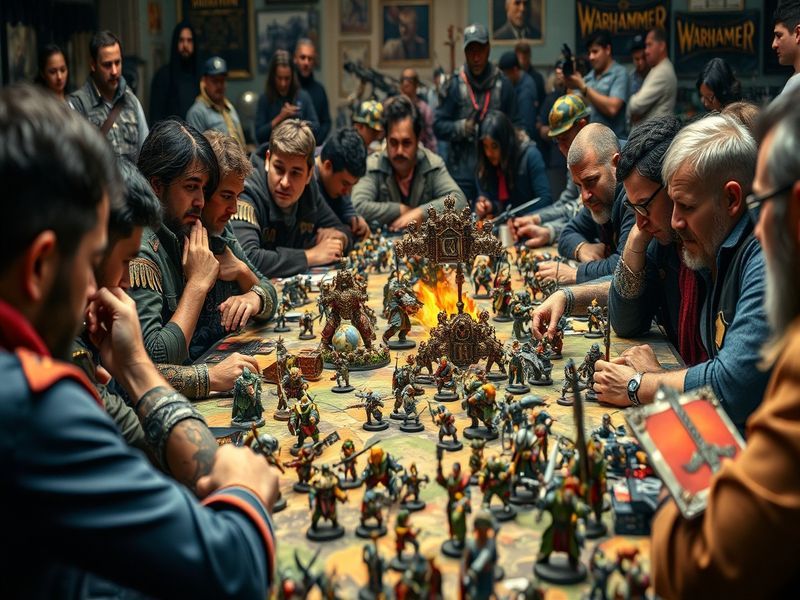
The community also extends into competitive gaming. Local game stores host tournaments for Warhammer 40K, Age of Sigmar, and other spin-offs, with some events drawing hundreds of participants. Streaming has become another pillar of the community, with platforms like Twitch hosting Warhammer-focused channels that showcase battles, hobby work, and lore discussions.
Key Platforms Where the Warhammer Community Gathers
- Forums: DakkaDakka, Warhammer Community forums, and official faction-specific sites.
- Social Media: Facebook groups, Reddit communities (r/Warhammer40k, r/Warhammer), and Instagram for visual content.
- Video Platforms: YouTube for hobby tutorials, battle reports, and lore deep dives; Twitch for live gaming sessions.
- Discord: Servers dedicated to specific armies, games, or general Warhammer discussion.
- Local Game Stores: Physical hubs for playing, painting, and community events.
The Role of Games Workshop and Community Feedback
Games Workshop maintains a complex relationship with its community. On one hand, the company has embraced modern communication channels, using social media and digital updates to engage with fans. On the other, its policies—such as the perpetual licensing model for miniatures—have sparked controversy and debate.
The company’s approach to balancing new and old content has also been a point of contention. Some players appreciate the steady stream of new models and armies, while others lament the shift away from classic factions. Games Workshop’s recent focus on digital tools, like the Warhammer+ subscription service and the Citadel app, reflects an effort to modernize while keeping the community engaged.
Community feedback often shapes Games Workshop’s decisions. Petitions, forum discussions, and social media campaigns have influenced everything from army releases to rulebook changes. This dialogue ensures that the franchise remains responsive to its fans, even as it navigates the challenges of scaling a decades-old IP for new generations.
Challenges and Opportunities for the Warhammer Community
Despite its strengths, the Warhammer community faces challenges. The cost of entry into tabletop gaming remains a barrier for many, with armies and terrain requiring significant investment. The rise of digital gaming alternatives also competes for attention, though many fans find tabletop’s tactile experience irreplaceable.
Yet, these challenges present opportunities for growth. The community’s adaptability has led to innovations like proxy armies, where players use unofficial miniatures to field armies they can’t afford. Crowdfunding campaigns for indie Warhammer projects have also gained traction, offering fans new ways to engage with the universe.
The Warhammer community’s future looks bright, with Games Workshop continuing to expand its digital offerings and new generations discovering the franchise. Whether through tabletop battles, digital adventures, or creative projects, the community remains the lifeblood of Warhammer’s enduring appeal.
How to Get Involved in the Warhammer Community
For those new to Warhammer, the best way to dive in is to start small. Begin with a starter set, such as the Age of Sigmar Starter Set or the Warhammer 40,000 Combat Patrol, which provide everything needed to start playing. Local game stores often host beginner-friendly events, where newcomers can learn the basics and meet fellow players.
Online resources abound for hobbyists and players alike. YouTube channels like Warhammer TV offer tutorials on painting and gameplay, while forums provide a wealth of knowledge from experienced players. Joining a local club or Discord server can also provide mentorship and camaraderie.
Conclusion: The Enduring Power of Warhammer
The Warhammer community is more than just a fanbase—it’s a living, evolving entity that has shaped the franchise’s success. From its humble beginnings as a tabletop wargame to its current status as a multimedia juggernaut, Warhammer’s appeal lies in its rich lore, creative potential, and the passion of its community.
As Games Workshop continues to innovate and the community grows, Warhammer’s future remains as bright as the battlefields of the 41st Millennium. Whether you’re a veteran player or a curious newcomer, there’s never been a better time to join this thriving world of tabletop gaming.