Understanding Ballots: A Global Perspective on Voting
The Role of Ballots in Democratic Processes
Ballots serve as a fundamental mechanism in democracies around the globe, allowing citizens to express their preferences in elections. This simple piece of paper, or digital equivalent, has profound implications for governance and representation. The act of voting is not just a civic duty; it is a cornerstone of democratic engagement.
Throughout history, the methods and significance of ballots have evolved. From the ancient Greeks who used stones to cast votes, to the modern electronic voting machines, the process has adapted to meet the challenges of changing societies. Understanding the role of ballots requires an exploration of their cultural implications and the variations in their usage worldwide.
Types of Ballots Across the Globe
Different countries employ various types of ballots, reflecting their unique political landscapes and cultural practices. Here are some of the most common types:
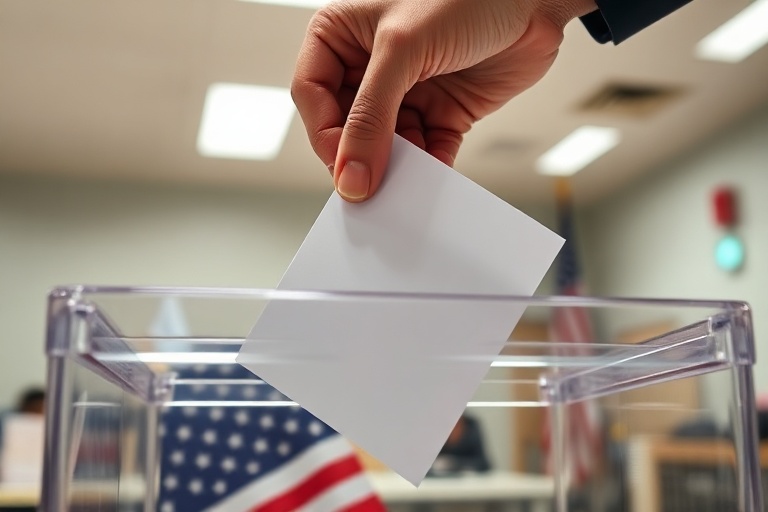
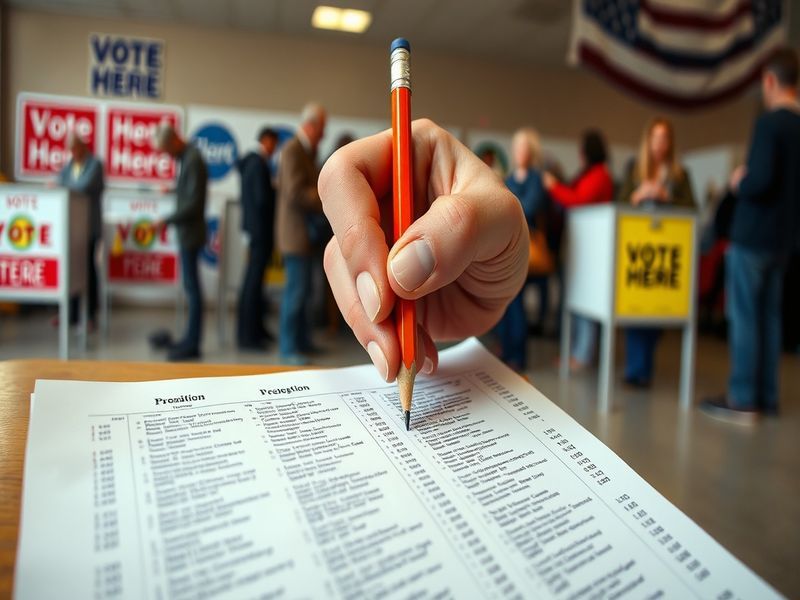
- Paper Ballots: Traditional and widely used, these ballots are often marked by hand and deposited into a ballot box.
- Electronic Ballots: Increasingly popular in many nations, these allow voters to cast their votes using electronic devices, enhancing speed and efficiency.
- Mail-in Ballots: Also known as absentee ballots, these allow individuals to vote remotely, making it easier for those unable to attend polling stations.
- Ranked Choice Ballots: Used in certain jurisdictions, these allow voters to rank candidates in order of preference, promoting more nuanced voting.
The choice of ballot type can significantly impact voter turnout and the overall electoral process. Countries with accessible voting methods often see higher participation rates, which in turn can lead to more representative governance.
Cultural Context of Voting and Ballots
The significance of ballots extends beyond mere functionality; they are imbued with cultural meaning. In many societies, the act of voting is viewed as a rite of passage, a way for individuals to assert their identity and influence the direction of their communities.
For instance, in the United States, voting rights have been fought for and defended over centuries. The struggle for universal suffrage, particularly for marginalized groups, has made ballots symbols of hard-won freedom. Conversely, in countries with less democratic governance, the act of voting can be fraught with danger, often seen as a challenge to authority.
Global Perspectives on Voting Rights
Globally, the right to vote varies significantly, influenced by political, social, and historical factors. Here are some notable examples:
- Switzerland: Known for its direct democracy, Swiss citizens frequently vote on a range of issues, from local matters to national policies.
- India: As the world’s largest democracy, India conducts elections that involve millions of voters, showcasing a vibrant and complex electoral process.
- Saudi Arabia: In contrast, the kingdom has limited voting rights, primarily allowing men to participate in municipal elections, highlighting the ongoing gender disparity in political representation.
These examples illustrate the diverse interpretations and implementations of voting rights and ballots worldwide. The cultural context surrounding elections can either empower citizens or suppress their voices.
The Future of Ballots in a Digital Age
As technology continues to advance, the future of ballots is likely to shift further towards digital solutions. Electronic voting systems promise increased efficiency and accessibility, but they also raise concerns about security and privacy. The challenge lies in balancing innovation with the integrity of the electoral process.
Moreover, the rise of online voting platforms could transform how elections are conducted, potentially increasing participation among younger generations who are more comfortable with technology. Nevertheless, such changes must be approached with caution to ensure that all voters feel confident in the security and reliability of their ballots.
In conclusion, ballots are more than just tools for casting votes; they represent the essence of democratic engagement. Their evolution reflects the changing dynamics of society and governance. As we look to the future, understanding the cultural and technological implications of ballots will be essential in fostering inclusive and effective democratic processes.