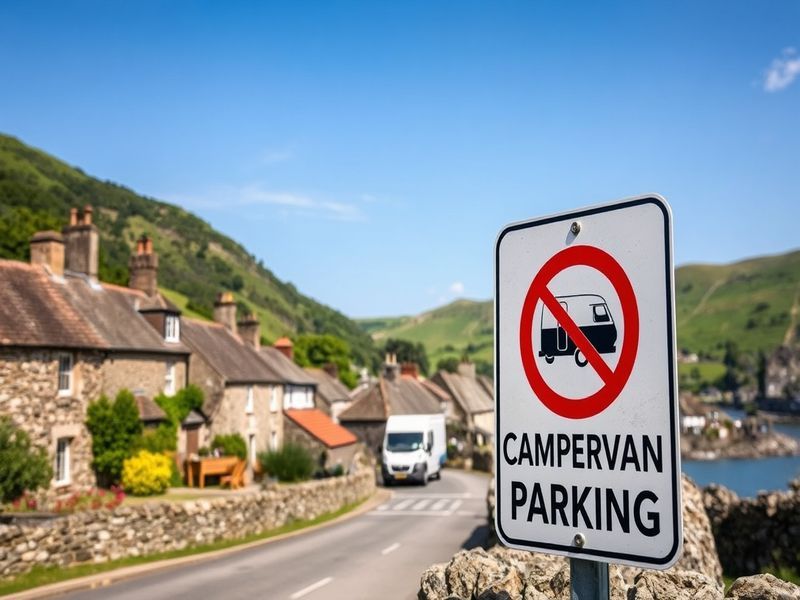
North Yorkshire’s Campervan Parking Ban: An Overview
Recently, North Yorkshire has implemented a ban on campervan parking in certain areas, sparking a variety of reactions from locals and visitors alike. The decision aims to address growing concerns regarding environmental impacts, safety, and the preservation of local communities. As the popularity of campervan travel increases, the local authorities have faced mounting pressure to regulate this trend.
Reasons Behind the Ban
Several key factors have influenced North Yorkshire’s decision to impose the parking ban. These include:
- Environmental Concerns: Increased campervan traffic has raised issues related to littering, waste disposal, and damage to natural habitats.
- Safety Issues: Narrow roads and limited parking options have resulted in dangerous situations for both campers and local residents.
- Community Impact: Local residents have expressed frustration over noise and congestion caused by the influx of campervans.
As these factors accumulate, the need for a structured approach to campervan parking becomes evident. The ban is seen as a necessary measure to protect the region’s unique landscapes and communities.
Broader Implications of the Ban
The implications of this parking ban extend beyond North Yorkshire. Many regions across the UK are grappling with similar issues as campervan tourism grows. The ban raises important questions about how communities can balance tourism with environmental and social responsibilities. Here are a few broader impacts to consider:
- Tourism Management: As more areas adopt similar regulations, the tourism industry may need to adapt its strategies to ensure sustainable practices.
- Local Economy: The ban could affect local businesses that rely on campervan tourists, prompting them to seek alternative solutions.
- Public Awareness: Increased awareness regarding the environmental impacts of campervan tourism may lead to more responsible travel habits among tourists.
These implications highlight the necessity for local authorities to engage with both residents and tourists in developing effective regulations. The balance between preserving local culture and accommodating visitors is delicate and requires thoughtful consideration.
Contextualizing the Ban in the Larger Tourism Trend
The rise of campervan travel is part of a larger trend that has seen many people seeking alternative forms of vacationing. With the pandemic shifting travel preferences, many have turned to road trips and outdoor adventures. This has led to an increase in demand for campervan rentals and, consequently, more vehicles on the road.
As this trend continues, regions like North Yorkshire must find ways to manage the influx of visitors while preserving their natural beauty and community integrity. The parking ban serves as a case study for other regions facing similar challenges. It emphasizes the importance of proactive measures in tourism management, which can help mitigate potential negative consequences.
Conclusion: The Path Forward
North Yorkshire’s campervan parking ban reflects a growing recognition of the need to manage tourism responsibly. While it may be met with resistance from some segments of the population, it is crucial for local authorities to prioritize both environmental conservation and community welfare. The success of such measures will depend on ongoing dialogue between residents, tourists, and policymakers.
As other regions look to North Yorkshire’s example, the conversation surrounding sustainable tourism will likely gain momentum. It is clear that finding a balance between welcoming visitors and protecting local resources is essential for the future of travel and tourism.
For more insights into tourism management and community regulations, visit our Travel and News sections.