Understanding Forest Fixtures
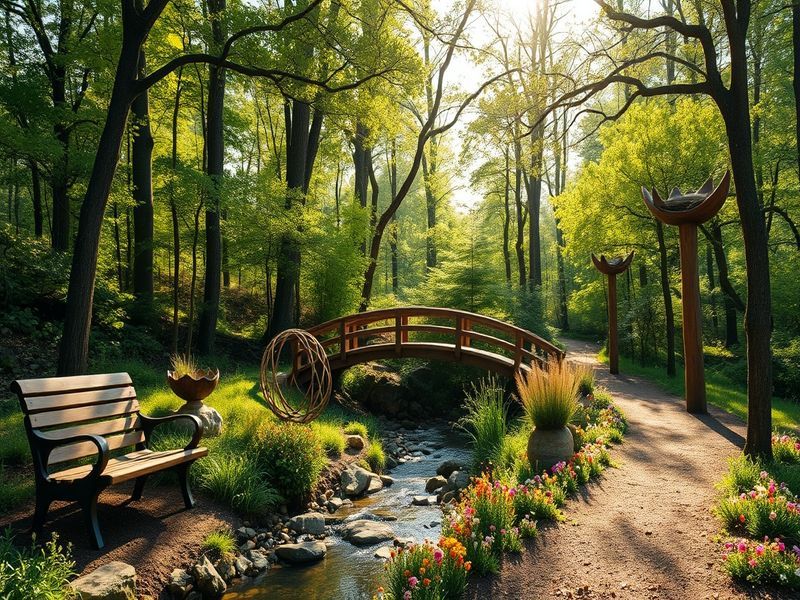
Forest fixtures encompass a variety of installations and structures that enhance the functionality and aesthetic appeal of natural wooded areas. These fixtures can serve multiple purposes, from improving accessibility to enriching the visitor experience. As more people seek to connect with nature, the design and placement of forest fixtures become increasingly important.
Types of Forest Fixtures
There are several types of fixtures commonly found in forested areas. Each serves a unique purpose and contributes to the overall experience of visitors. Here are some notable examples:
- Benches: Providing resting spots for hikers and nature lovers.
- Signage: Informational signs that educate visitors about the flora, fauna, and history of the area.
- Bridges: Structures that facilitate crossing streams and uneven terrain.
- Observation Platforms: Elevated structures offering scenic views of the forest and its wildlife.
Benefits of Forest Fixtures
The implementation of forest fixtures brings numerous benefits to both the environment and its visitors. These advantages can be categorized into environmental, social, and economic benefits.
- Environmental Benefits: Fixtures can help minimize soil erosion and protect delicate ecosystems by directing foot traffic.
- Social Benefits: They enhance the recreational experience, encouraging community engagement and promoting physical activity.
- Economic Benefits: Well-designed forest areas with fixtures can attract tourism, boosting local economies.
Design Considerations
When designing forest fixtures, several factors must be taken into account to ensure they are both functional and sustainable. Material selection is crucial; using locally sourced, eco-friendly materials can minimize the environmental footprint. Additionally, the fixtures should complement the natural surroundings rather than detract from them.
Accessibility is another critical aspect. Fixtures should be designed to accommodate all visitors, including those with disabilities. This might mean creating wider paths or including seating that is easy to use for everyone.
Conclusion
Forest fixtures play a vital role in enhancing the experience of visitors while also protecting natural resources. By thoughtfully designing and implementing these structures, we can create spaces that foster a deeper appreciation for nature. As we continue to explore the integration of human activity within forested areas, the importance of these fixtures cannot be overstated. They are essential not only for the enjoyment of nature but also for its preservation.
For more information on outdoor installations and their impact on nature, check out our Education and Travel sections.