How March Madness Became America’s Most Thrilling Sports Tradition
The NCAA Division I Men’s Basketball Tournament, affectionately known as March Madness, represents the pinnacle of college athletics. Each spring, 68 teams vie for a national championship, creating a spectacle that captivates millions of fans across the country. The tournament’s unique format, single-elimination drama, and unpredictable outcomes make it one of the most compelling sporting events in the world.
Unlike professional leagues where dynasties can dominate for decades, March Madness thrives on unpredictability. A mid-major school can topple a blue-blood program on any given Thursday. This David vs. Goliath narrative fuels the tournament’s mystique and ensures that no fan can look away until the final buzzer sounds in early April.
The Tournament’s Evolution: From Humble Beginnings to National Obsession
The NCAA Tournament traces its roots to 1939, when eight teams participated in the inaugural event. Oregon emerged victorious in that first tournament, held at Northwestern University. The field expanded gradually over the decades, growing to 16 teams by 1951 and 32 by 1975 before reaching its current 64-team format in 1985 (later expanded to 68 in 2011).
The introduction of television coverage in the 1960s transformed the tournament from a regional curiosity into a national phenomenon. CBS began broadcasting games in 1982, and the partnership with Turner Sports in 2011 expanded coverage to include TNT, TBS, and TruTV. Today, the tournament generates billions in revenue for the NCAA and its member institutions, with television rights alone worth over $800 million annually.
Technology has also reshaped how fans experience March Madness. Live streaming, social media updates, and real-time analytics have made the tournament more accessible than ever. The rise of bracket challenges—both casual and competitive—has turned every game into a social event where office pools and family competitions drive engagement.
Key Moments That Defined March Madness
- 1982: North Carolina’s Michael Jordan hits the game-winning shot against Georgetown in the championship game, launching one of basketball’s greatest careers.
- 1985: Villanova’s perfect tournament – The 8th-seeded Wildcats shot 78.6% from the field to upset top-seeded Georgetown, one of the biggest upsets in tournament history.
- 1991: Duke’s first national title under Mike Krzyzewski, beginning a dynasty that would win three more championships in the decade.
- 2008: Kansas’ dramatic overtime win over Memphis in one of the most thrilling championship games ever, capped by Mario Chalmers’ iconic three-pointer.
- 2018: Loyola-Chicago’s Cinderella run – The 11th-seeded Ramblers captured the nation’s heart with their Final Four appearance, led by Sister Jean Dolores-Schmidt.
The Economic and Cultural Impact of March Madness
Beyond the court, March Madness has become a massive economic driver. The NCAA estimates that the tournament generates $1.1 billion annually for local economies where games are played. Cities like Indianapolis, where the Final Four is held, see hotel occupancy rates skyrocket to over 90% during the event. Restaurants, bars, and retail stores all benefit from the influx of visitors.
The tournament’s cultural influence extends far beyond sports. Office pools have become a workplace tradition, with an estimated 60 million Americans participating each year. The phrase “bracketology” has entered the lexicon, and media outlets devote weeks of coverage to analyzing potential matchups and upsets. Even those who don’t follow college basketball during the regular season tune in for March Madness, making it a unifying event across generations.
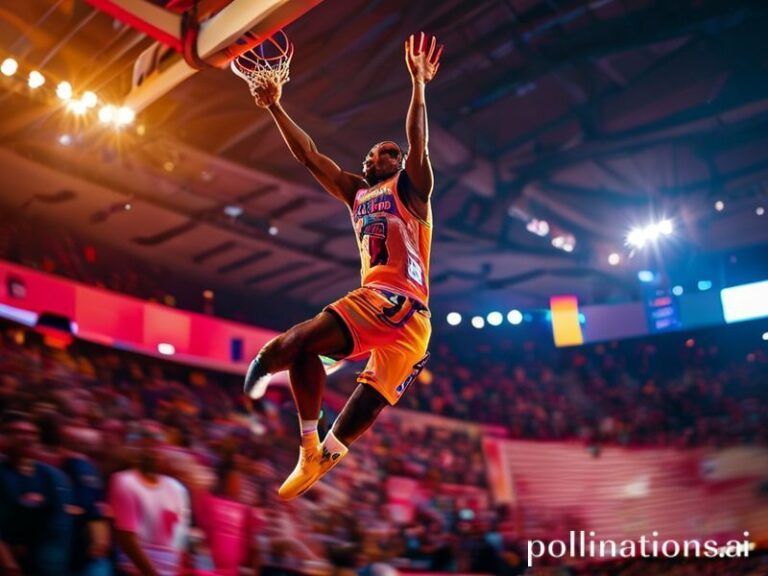
For student-athletes, the tournament represents the ultimate stage to showcase their talents. A strong tournament performance can launch careers in the NBA, secure lucrative endorsement deals, or even lead to viral moments that transcend sports. Zion Williamson’s explosive dunk in 2019, which went viral before he even played in a game, demonstrated how March Madness can elevate a player’s profile globally.
The Future of March Madness: Challenges and Opportunities
The NCAA faces ongoing scrutiny regarding player compensation and the amateurism model. With the Supreme Court’s 2021 decision in NCAA v. Alston, the organization was forced to allow schools to provide education-related benefits to athletes. The debate over name, image, and likeness (NIL) rights continues to evolve, with some advocating for direct payment to players. These issues could reshape the landscape of college basketball in the coming years.
Technological advancements will also play a significant role in the tournament’s future. The NCAA has experimented with virtual reality broadcasts and enhanced digital experiences to engage younger fans. Social media platforms like TikTok and Instagram have become essential for promoting the tournament, with highlights and behind-the-scenes content driving viewership.
Another trend is the increasing parity in college basketball. The traditional powerhouses like Duke, Kentucky, and North Carolina still dominate headlines, but mid-major conferences such as the WCC, MVC, and Horizon League have produced consistent tournament success. This shift has made the tournament even more unpredictable and exciting for fans.
What Makes March Madness Different from Other Tournaments
Unlike the NFL playoffs or the NBA Finals, March Madness is a true single-elimination tournament where one loss means the end of the road. This format creates an unparalleled sense of urgency and drama. Every game matters, and even the “play-in” games have produced memorable moments.
The tournament also stands out for its fan engagement. Bracket challenges encourage casual fans to follow every game, even those involving lesser-known teams. The emotional investment in a Cinderella story—whether it’s a 16-seed pulling off a historic upset or a mid-major team making a deep run—is unmatched in sports.
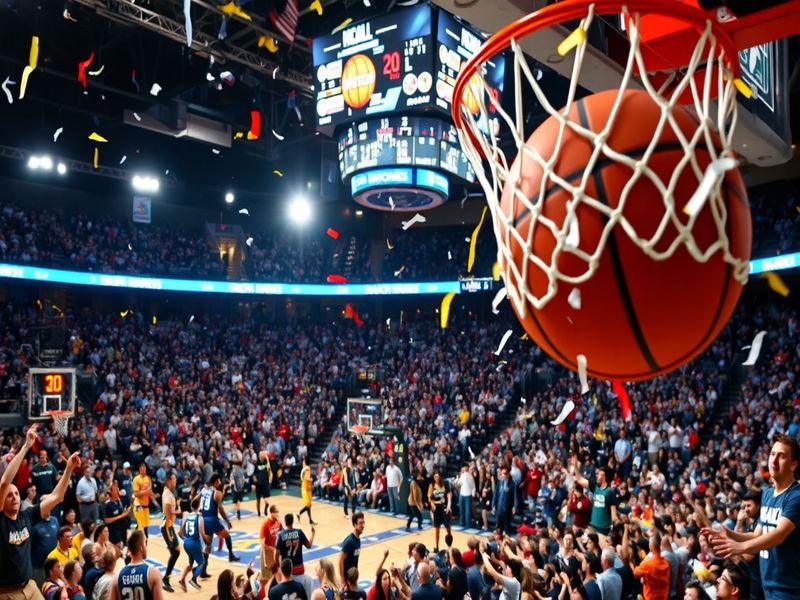
Finally, March Madness is a celebration of college basketball’s unique culture. The games are played in arenas filled with student sections, where chants and traditions create an electric atmosphere. The Final Four, held in a different city each year, brings together fans from all walks of life to celebrate the sport and the student-athletes who make it special.
Conclusion: Why March Madness Endures
March Madness is more than just a basketball tournament; it’s a cultural institution that brings people together across generations and backgrounds. Its blend of high-stakes competition, unpredictability, and heartwarming stories ensures its place as one of the most beloved sporting events in the world.
The tournament’s ability to captivate millions of fans, generate economic impact, and showcase the best of college athletics makes it a cornerstone of American sports. As the NCAA continues to navigate challenges around player compensation and technological innovation, one thing remains certain: March Madness will always be a celebration of the game and the athletes who play it with passion and pride.
For fans, the ritual of filling out brackets, watching games in packed arenas, and cheering for underdogs is a tradition that transcends wins and losses. It’s a reminder of why we love sports in the first place: the drama, the emotion, and the moments that stay with us forever.
As the 2024 tournament approaches, the excitement builds once again. Will a new Cinderella story emerge? Can a powerhouse program reclaim its throne? Or will an unknown player light up the national stage and become a household name? One thing is certain: March Madness will deliver all of this and more.
For the latest news, analysis, and updates on college basketball and the NCAA Tournament, visit Dave’s Locker Sports and explore our Analysis section for in-depth coverage.