Understanding TSA Airport Security: A Comprehensive Overview
The Transportation Security Administration (TSA) plays a crucial role in ensuring the safety of travelers across the United States. Established following the events of September 11, 2001, the TSA is responsible for security at airports, including passenger screening and baggage checks. This article examines the various aspects of TSA airport security, including its procedures, challenges, and the technology involved.
Key TSA Procedures
At the heart of TSA operations are several key procedures designed to protect passengers and crew members. These measures are implemented at checkpoints throughout the airport. Travelers can expect the following processes:
- Security Screening: Passengers must pass through metal detectors and, in many cases, full-body scanners. This helps identify prohibited items.
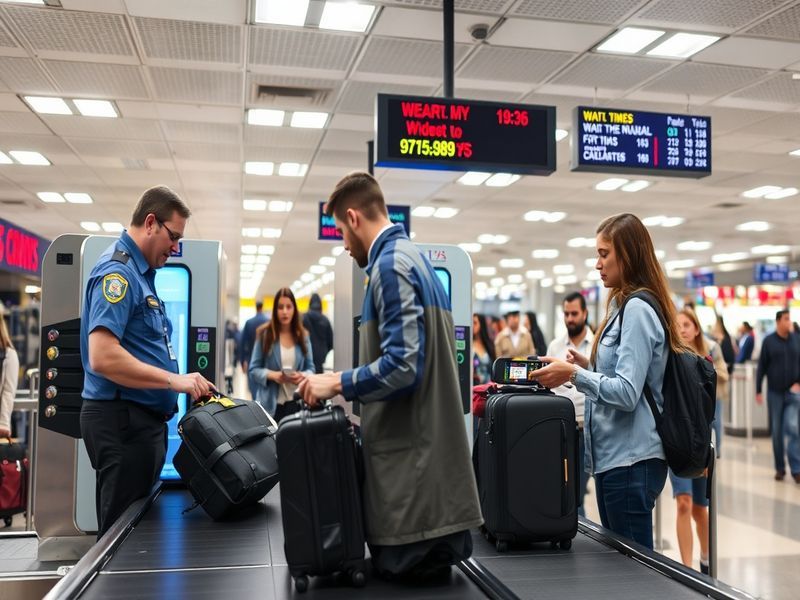
- Baggage Inspection: Carry-on bags are screened using advanced imaging technology. Checked luggage undergoes a separate screening process.
- Identification Verification: Travelers must present government-issued identification to confirm their identity against their boarding passes.
- Random Checks: Occasionally, additional screening may be conducted on selected passengers, which can include pat-downs or further inspection of belongings.
Understanding these procedures can help travelers prepare for their journey, minimizing delays and enhancing the overall experience. Familiarity with TSA rules can also reduce stress during the security process.
The Role of Technology in TSA Security
Technology has transformed the way TSA conducts security checks. Innovative systems have been developed to improve the efficiency and effectiveness of airport security. Some notable advancements include:
- Advanced Imaging Technology (AIT): These machines detect both metallic and non-metallic threats, including weapons and explosives, while maintaining passenger privacy.
- Explosive Trace Detection (ETD): ETD systems can identify minute traces of explosives on passengers or their belongings.
- Automated Screening Lanes (ASL): These lanes speed up the screening process by allowing multiple travelers to be processed simultaneously.
While technology enhances security measures, it also raises concerns regarding privacy and data security. The balance between effective screening and respecting individual rights remains a significant discussion point among policymakers and the public.
Challenges Faced by the TSA
Despite advancements and established protocols, the TSA faces numerous challenges. These include:
- Public Perception: Many travelers express frustration over long wait times and the perceived invasiveness of security procedures.
- Staffing Issues: Recruitment and retention of qualified personnel can be problematic, particularly during peak travel seasons.
- Budget Constraints: Limited funding can hinder the implementation of new technologies and improvements in existing systems.
- Adapting to Emerging Threats: The TSA must continually evolve to address new tactics employed by those intending to cause harm.
Addressing these challenges requires a multi-faceted approach, including public education, investment in technology, and continuous training for TSA staff.
Preparing for TSA Security: Tips for Travelers
Travelers can take several proactive steps to ensure a smoother experience through TSA security. Here are some practical tips:
- Arrive Early: Give yourself plenty of time to navigate security, especially during busy travel periods.
- Know the Rules: Familiarize yourself with TSA regulations regarding carry-on items, liquids, and electronics.
- Wear Easy-to-Remove Shoes: Footwear that can be easily taken off will expedite the screening process.
- Utilize TSA PreCheck: Consider enrolling in TSA PreCheck for expedited screening, which allows you to keep on shoes, belts, and light jackets.
By following these tips, travelers can help make the TSA security process more efficient and less stressful.
Conclusion
The TSA plays an essential role in maintaining the security of the aviation system in the United States. Through established procedures, technological advancements, and ongoing efforts to address challenges, the agency strives to create a safe travel environment. Understanding TSA protocols and preparing accordingly can significantly enhance a traveler’s experience. As technology continues to evolve, so will TSA operations, ensuring that safety remains a priority for all passengers.