NCAA Tournament: The Chaos and Glory of March Madness
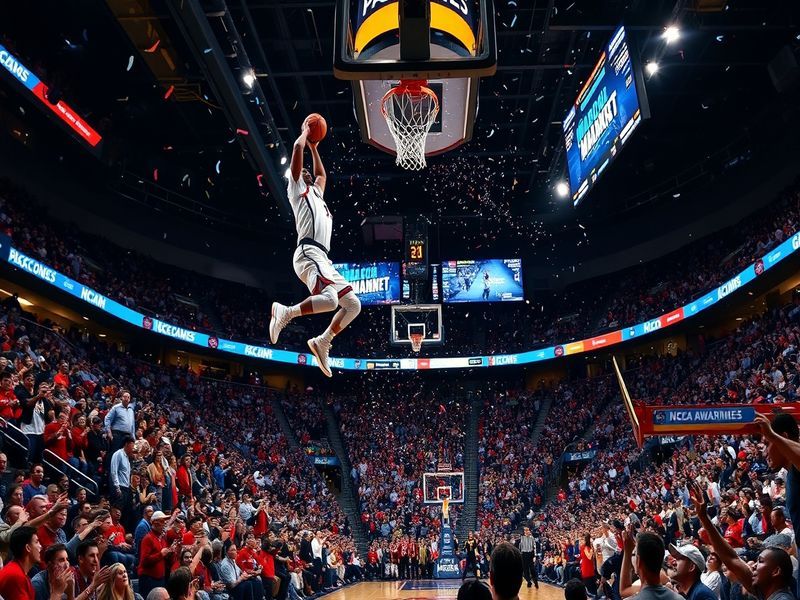
The NCAA Division I Men’s Basketball Tournament, affectionately known as March Madness, stands as one of the most compelling sporting events in the United States. Each spring, 68 teams battle for a national championship, creating a tournament where underdogs can topple giants and buzzer-beaters decide seasons in an instant. Unlike the NFL or NBA playoffs, where the best teams advance through a rigid structure, March Madness thrives on chaos. A single loss ends a season, and a hot streak can carry a mid-major program to the Final Four.
The tournament’s history stretches back to 1939, when Oregon claimed the first title in a field of just eight teams. Since then, it has grown into a cultural institution, with millions of fans filling out brackets, hosting watch parties, and debating upsets. The event’s magic lies in its unpredictability, where a 16-seed has beaten a 1-seed multiple times, and Cinderella stories like George Mason in 2006 or Loyola Chicago in 2018 remind us that anything can happen.
The Structure: How 68 Teams Become One Champion
The NCAA Tournament begins with a selection process that has evolved dramatically over the years. The modern format includes 68 teams divided into four regions, with the top four teams receiving automatic byes to the Round of 32. The remaining spots are filled through at-large bids, determined by the NCAA Selection Committee based on metrics like RPI, strength of schedule, and recent performance.
Once the field is set, the tournament unfolds in stages:
- First Four: Eight teams play in four games to secure the final four spots in the main bracket. These matchups feature the last at-large bids and the lowest-seeded automatic qualifiers.
- Round of 64: The tournament officially begins with 64 teams, as 1-seeds face 16-seeds in what is often the most lopsided game of the tournament. Yet, history has shown that even the most dominant teams can struggle in the early rounds.
- Round of 32: The field narrows to 32 teams, with upsets often reshaping the narrative. A 12-seed beating a 5-seed or a 7-seed knocking out a 2-seed can set the stage for a Cinderella run.
- Sweet Sixteen: The regional semifinals bring the top teams together, where the last remaining powerhouses face off. This round often features the most talented teams, though upsets can still derail favorites.
- Elite Eight: Four teams remain in each region, vying for a spot in the Final Four. The intensity peaks as coaching strategies, player matchups, and clutch performances determine who advances.
- Final Four: The tournament’s final weekend features the last four teams, often representing the best in college basketball. The atmosphere in these games is electric, with national television audiences and passionate fan bases.
- Championship Game: Two teams battle for the title in a winner-take-all contest. The final game of the tournament is a culmination of drama, skill, and sheer willpower.
The selection process itself is a spectacle. “Selection Sunday” is a primetime event where the NCAA reveals the tournament field, complete with analysis, debates, and last-minute adjustments. Fans dissect the brackets, arguing over snubs and seeding, while analysts predict which teams will make deep runs. The committee’s decisions can shape a program’s legacy for years, making the selection process as much a part of the tournament’s allure as the games themselves.
The Stars: Players Who Define March Madness
March Madness has produced some of the most iconic moments in sports history, many of them driven by individual brilliance. Players like Christian Laettner, whose 1992 buzzer-beater for Duke against Kentucky remains one of the most famous shots ever, have etched their names into tournament lore. More recently, players like Zion Williamson, who dominated as a freshman at Duke in 2019, and Caitlin Clark, whose 2023 performance for Iowa captivated audiences, have carried their teams on deep runs.
The tournament is a proving ground for future NBA stars. Many of the league’s biggest names—LeBron James, Kobe Bryant, and Anthony Davis, among others—used March Madness to showcase their skills on a national stage. For players from smaller programs, the tournament is their chance to shine. Stephen Curry’s 2008 performance for Davidson, where he led the Wildcats to the Elite Eight, turned him into a household name and launched his NBA career.
Beyond the stars, the tournament is filled with role players who deliver unforgettable performances. Jalen Brunson’s clutch shooting for Villanova in 2016 and Kris Jenkins’ game-winning three in the title game are examples of how even the most unheralded players can become legends. The NCAA Tournament has a way of elevating those who rise to the occasion, turning them into folk heroes for a fleeting moment.
The Culture: Why March Madness Captivates America
March Madness is more than just basketball; it’s a cultural phenomenon that transcends sports. The tournament brings together fans of all ages, from die-hard basketball enthusiasts to casual observers who fill out brackets for office pools. The tradition of bracketology has become a national pastime, with an estimated 60 million brackets filled out each year. Websites and apps like ESPN and NCAA.com track millions of entries, adding a layer of competition to the games themselves.
The tournament’s reach extends beyond the court. It has inspired countless movies, documentaries, and even video games. Films like Hoosiers and White Men Can’t Jump capture the underdog spirit of college basketball, while documentaries like Last Dance have brought the drama of the tournament to new audiences. Video games like NBA 2K feature March Madness modes, allowing fans to simulate the tournament experience from their couches.
Betting has also become a major part of the tournament’s culture. While legal sports betting is still a developing industry, millions of fans engage in friendly wagers or participate in survivor pools, where the goal is to pick the winner of each game without repeating a team. The NCAA has historically resisted gambling, but the rise of legal sports betting has forced the organization to adapt, implementing rules to maintain the integrity of the tournament.
For many fans, the emotional connection to their alma mater or favorite team adds to the tournament’s allure. Alumni return to campus for watch parties, while families gather around televisions to cheer on their teams. The tournament’s unpredictability fosters a sense of camaraderie, as fans bond over shared upsets and celebrate underdog victories together.
The Future: How the Tournament is Evolving
The NCAA Tournament is not immune to change. In recent years, debates have surfaced about expanding the field to 96 teams, a proposal that would give more programs a chance to compete. Advocates argue that an expanded field would increase revenue and provide opportunities for mid-major conferences, while critics worry it could dilute the tournament’s prestige. The NCAA has thus far resisted expansion, but the conversation continues to gain traction.
Technology has also transformed the viewing experience. Fans can now stream games on multiple platforms, access real-time statistics, and engage with social media to discuss plays and predictions. The rise of platforms like Twitter and TikTok has created new ways for fans to connect, with viral moments and memes becoming part of the tournament’s narrative. Broadcasters have adapted by incorporating interactive features, such as live polls and expert analysis, to enhance the viewing experience.
The tournament’s financial impact cannot be overstated. The NCAA generates billions in revenue from television deals, sponsorships, and ticket sales, with the majority of it coming from March Madness. The tournament’s success has allowed the NCAA to invest in other sports and initiatives, though it has also faced criticism for its handling of athlete compensation. The debate over name, image, and likeness (NIL) rights has added a new layer to the conversation, as players seek to benefit from their participation in the tournament.
Despite these changes, the core of March Madness remains unchanged: the thrill of the unknown. Whether it’s a 16-seed shocking the world or a coach outsmarting his opponent with a late timeout, the tournament’s unpredictability is what keeps fans coming back year after year. As the sport continues to evolve, one thing is certain—the madness will endure.
For those looking to dive deeper into the world of college basketball, Dave’s Locker Sports offers comprehensive coverage of the latest games, player profiles, and analysis. Whether you’re a die-hard fan or a casual observer, the NCAA Tournament has something for everyone.
Key Takeaways
- The NCAA Tournament features 68 teams and is known for its unpredictability, where underdogs can topple favorites.
- Selection Sunday is a major event, where the tournament field is revealed and debates over snubs and seeding dominate conversations.
- March Madness has produced iconic moments and turned players into legends, both on and off the court.
- The tournament’s cultural impact extends beyond basketball, inspiring movies, documentaries, and betting pools.
- Technology and financial considerations are shaping the future of the tournament, from expanded fields to NIL debates.