Understanding TSA Airport Security: Procedures and Challenges
The Evolution of TSA Airport Security
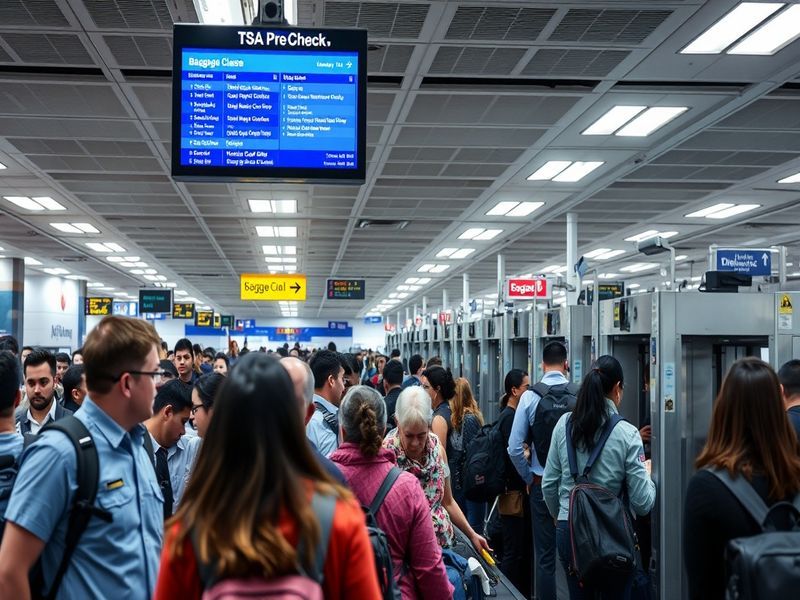
TSA airport security has become a fundamental aspect of air travel, primarily designed to ensure the safety of passengers and crew. Since its establishment after the September 11 attacks, the Transportation Security Administration (TSA) has implemented various measures to enhance security protocols. These measures have evolved significantly over the years in response to emerging threats and technological advancements.
Global Perspectives on Airport Security
Airport security practices vary across countries, influenced by cultural attitudes towards safety and privacy. In the United States, the TSA employs strict screening processes, including body scanners and thorough bag checks. In contrast, some European countries focus on a more risk-based approach, emphasizing intelligence and profiling over extensive physical searches.
Countries such as Israel are often cited for their unique airport security measures. Their system relies heavily on behavioral analysis and a layered security approach, which includes interviews and discreet observation. This methodology highlights the importance of human judgment and intuition in identifying potential threats.
Key TSA Security Procedures
The TSA has established a series of protocols designed to streamline the security process while maintaining high safety standards. Here are some of the key procedures:
- Security Screening: Passengers must undergo screening, which includes passing through metal detectors and, in many cases, body scanners.
- Carry-on Restrictions: Certain items, such as liquids over 3.4 ounces, sharp objects, and flammable materials, are prohibited in carry-on luggage.
- Checked Baggage Screening: All checked luggage is screened for explosives and other dangerous items using advanced technology.
- Random Checks: Occasionally, passengers may be selected for additional screening through random checks or behavioral assessments.
These procedures are continually evaluated and updated based on current threats and technological advancements. The TSA also collaborates with international agencies to align its protocols with global security standards.
Technological Innovations in Security
Technological advancements have played a crucial role in enhancing airport security. The TSA has integrated various technologies to improve efficiency and effectiveness. Some noteworthy innovations include:
- Advanced Imaging Technology (AIT): This technology allows for non-intrusive scanning of passengers, detecting both metallic and non-metallic threats.
- Explosives Trace Detection (ETD): ETD devices analyze swabs taken from luggage or passenger hands for traces of explosives.
- Automated Screening Lanes: These lanes expedite the screening process, allowing multiple passengers to be processed simultaneously.
These developments not only enhance security but also aim to reduce wait times and improve the overall travel experience. However, the balance between safety and convenience remains a contentious issue among travelers.
Challenges and Controversies
Despite the advancements in airport security, challenges persist. Privacy concerns are at the forefront of discussions surrounding TSA practices. Many travelers express discomfort with the invasive nature of some screening procedures, particularly body scans. The debate often centers on how to maintain safety without infringing on personal liberties.
Furthermore, the effectiveness of certain TSA measures has been questioned. Reports indicate that undercover agents have successfully smuggled weapons through security checkpoints, raising concerns about the adequacy of current protocols. Such incidents highlight the need for ongoing assessments and improvements within the TSA framework.
Conclusion
TSA airport security plays a vital role in ensuring the safety of air travel. While the measures in place have evolved over time, the balance between security and the traveler experience remains a challenging endeavor. As technology continues to advance, there will likely be further innovations in screening processes and security protocols. Understanding the diverse approaches to airport security globally can offer valuable insights into how nations prioritize safety and privacy. As travelers, being informed about these practices can enhance our awareness and preparedness when navigating airports.
For more insights on travel-related topics, check out our Travel section.