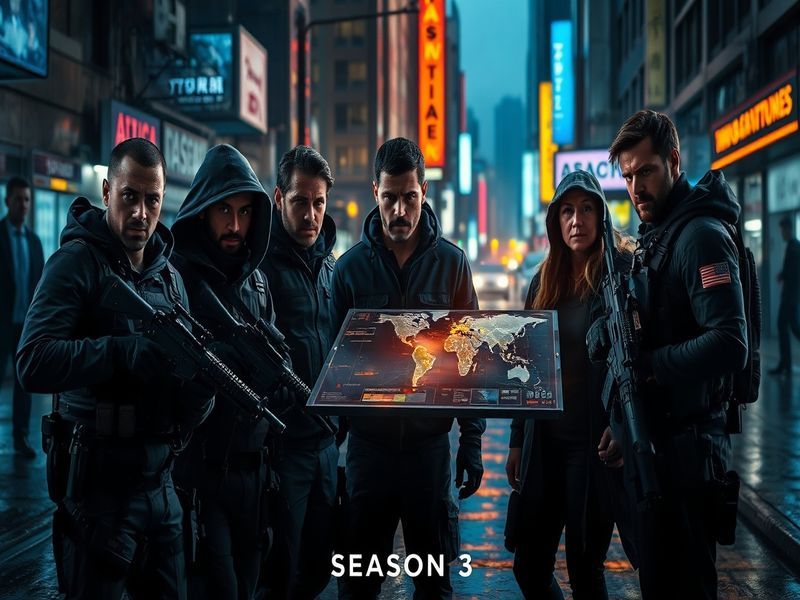
the capture season 3
The Capture Season 3: A High-Stakes Evolution of the Groundbreaking Series
The third season of The Capture arrives not merely as an extension of its predecessors but as a deliberate escalation of its core premise. Developed by Ben Chanan, the BBC One thriller continues to blur the lines between reality and deception, leveraging deepfake technology to craft a narrative that feels uncomfortably plausible. As the stakes rise, so too does the series’ ambition, pushing its characters—and its audience—to question the very fabric of truth in an era dominated by AI-generated content.
A Narrative Reinvention: What’s New in Season 3
Season 3 of The Capture marks a significant departure from the show’s earlier structure. Where the first two seasons focused on isolated incidents of manipulated footage, this latest installment expands its scope to examine systemic failures in justice, media, and governance. The season opens with a high-profile murder investigation that quickly spirals into a conspiracy involving deepfake evidence being used to frame innocent people—and, conversely, to exonerate the guilty.
Central to the season’s tension is the character of DI Rachel Carey, played by Holliday Grainger, who returns with a sharper edge and a deeper understanding of the tools being used against her. Her journey is mirrored by that of forensic investigator Marcus Levy (Callum Woodhouse), whose technical expertise becomes both a weapon and a liability as he uncovers flaws in the very systems designed to protect the truth.
The Broader Implications: Why This Season Matters
The timing of The Capture Season 3 is no accident. In an age where AI-generated images, videos, and audio can convincingly replicate reality, the show serves as both a warning and a mirror. Recent incidents—such as the spread of deepfake political ads and the proliferation of AI-cloned voices in scams—have underscored the urgency of the issues The Capture explores. The series isn’t just a fictional thriller; it’s a case study in how rapidly evolving technology can destabilize societal trust.
Moreover, the show’s production itself reflects these concerns. The visual effects team worked closely with cybersecurity experts to ensure the deepfake sequences were both realistic and rooted in real-world techniques. This collaboration lends the series an unsettling authenticity, particularly when contrasted with the often hyperbolic portrayals of technology in mainstream media.
Key Takeaways from The Capture Season 3
To fully grasp the significance of this season, consider the following elements that set it apart:
- Expanded Scope: Unlike previous seasons, which focused on localized conspiracies, Season 3 tackles a nationwide crisis, implicating institutions rather than individuals.
- Technical Rigor: The show’s portrayal of deepfake technology is meticulously researched, blending real forensic techniques with dramatic license.
- Moral Ambiguity: Characters grapple with ethical dilemmas that lack clear solutions, reflecting the real-world challenges of operating in a post-truth landscape.
- Audience Complicity: The series increasingly implicates the viewer, forcing us to question how we consume and verify information in our own lives.
Reception and Criticism: How the Season Is Being Received
Early reviews of The Capture Season 3 have been cautiously optimistic, with critics praising its ambition but questioning whether its complexity sacrifices accessibility. Some viewers have noted that the season’s dense plotting occasionally overshadows character development, particularly in its sprawling ensemble cast. However, the majority consensus highlights the series’ prescient themes as its strongest asset.
Notably, tech ethicists and cybersecurity professionals have lauded the show for sparking conversations about digital literacy and the need for stronger safeguards against AI misuse. In contrast, some legal scholars have argued that the series’ portrayal of judicial corruption is overly dramatized, though they concede its potential to spur much-needed reform.
The Future of The Capture and Its Real-World Parallels
As The Capture Season 3 unfolds, it’s impossible to ignore its parallels to current events. The show’s central conflict—a legal system overwhelmed by manipulated evidence—mirrors real-world debates about the admissibility of AI-generated content in courts. Similarly, its exploration of media complicity resonates in an era where misinformation spreads faster than fact-checking can correct it.
Looking ahead, the series raises pressing questions about the role of technology in society. Will deepfake detection tools ever be foolproof? How can institutions adapt to an environment where seeing isn’t necessarily believing? And perhaps most critically, what happens when the tools of deception become indistinguishable from the truth itself?
For fans of the show, Season 3 offers a compelling, if unsettling, glimpse into these dilemmas. For the broader public, it serves as a reminder of the need for vigilance—and perhaps a nudge toward demanding better safeguards in an increasingly digital world.
Where to Go Next: Deepening the Conversation
If The Capture has sparked your curiosity about the intersection of technology and truth, consider exploring these related topics:
- The ethical implications of AI-generated media, as discussed in our Technology section.
- How deepfake technology is reshaping the legal landscape, covered in our Analysis category.
Ultimately, The Capture Season 3 is more than a gripping thriller—it’s a cultural artifact that captures the anxieties of our time. By confronting these issues head-on, the series challenges us to think critically about the tools we use, the information we trust, and the world we’re building for future generations.