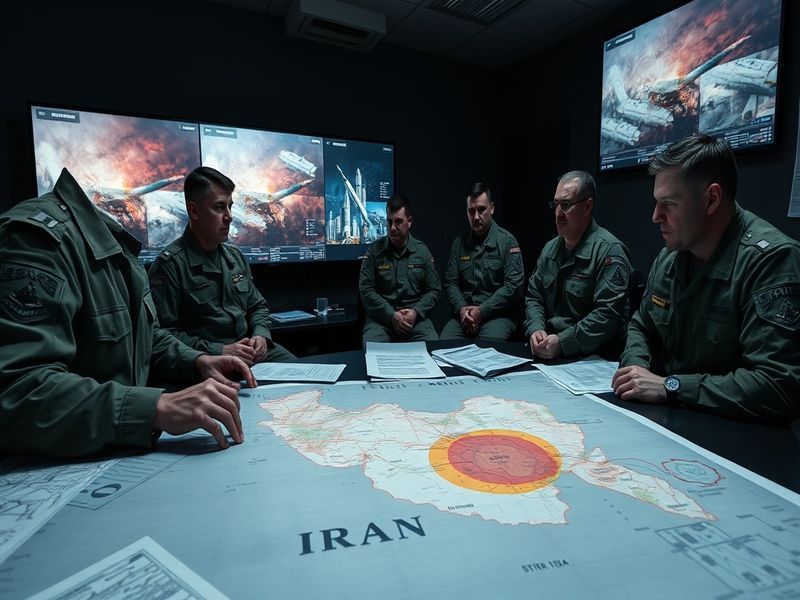
Understanding Iranian Missiles: A Complex Landscape
The development and proliferation of Iranian missiles represent a significant aspect of the geopolitical dynamics in the Middle East. Iran has invested heavily in its missile technology over the years, leading to a sophisticated arsenal that poses both regional and global challenges. This article aims to provide context, analyze the implications, and explore the various dimensions of Iran’s missile program.
The Evolution of Iran’s Missile Program
Iran’s missile program has its roots in the aftermath of the Iran-Iraq War, which lasted from 1980 to 1988. The conflict highlighted the necessity for Iran to develop a robust defense mechanism. Over the years, Iran has successfully developed a range of missile systems, including short-range ballistic missiles (SRBMs), medium-range ballistic missiles (MRBMs), and cruise missiles.
Key milestones in the evolution of Iran’s missile capabilities include:
- Shahab Series: The Shahab missiles, particularly the Shahab-3, are among Iran’s most well-known ballistic missiles, capable of reaching targets across the Middle East.
- Sejjil Missiles: This two-stage missile system represents a leap in Iran’s technological capabilities, with improved accuracy and longer range.
- Khorramshahr Missile: Announced in recent years, this missile showcases Iran’s advancements in missile technology, boasting significant payload capacity.
The continuous development of these missile systems demonstrates Iran’s commitment to enhancing its military capabilities, despite international sanctions and pressure.
Regional Implications of Iranian Missile Development
The implications of Iran’s missile program extend beyond its borders, impacting the security landscape of the entire Middle East. Neighboring countries, particularly Israel and Saudi Arabia, view Iran’s missile capabilities as a direct threat. The ability to strike targets at significant distances raises concerns about military balance and regional stability.
Several key points illustrate the broader implications:
- Deterrence Strategy: Iran’s missile arsenal serves as a deterrent against potential aggressors, allowing the country to maintain a degree of influence in regional conflicts.
- Proxy Warfare: Iran has supplied missile technology to allied groups in Lebanon, Yemen, and Syria, thereby extending its reach and influence through proxy warfare.
- Arms Race: The missile developments have prompted neighboring nations to enhance their own military capabilities, potentially leading to an arms race in the region.
These factors contribute to a tense atmosphere in the Middle East, where military posturing and rhetoric often escalate into real confrontations.
International Response and Diplomatic Challenges
The international community has responded to Iran’s missile program with a combination of sanctions, diplomatic negotiations, and military deterrence. The Joint Comprehensive Plan of Action (JCPOA), commonly known as the Iran nuclear deal, attempted to limit Iran’s nuclear ambitions but did not address its missile development directly.
Key challenges in addressing Iran’s missile program include:
- Verification: Ensuring compliance with any agreements related to missile development is complex and requires robust verification mechanisms.
- Regional Cooperation: Achieving a consensus among regional powers on how to address the missile threat is challenging, given the diverse interests at play.
- Geopolitical Rivalries: The ongoing tensions between Iran and the United States, as well as its adversaries in the region, complicate diplomatic efforts.
These challenges highlight the need for a multifaceted approach that combines diplomacy with strategic deterrence to address the missile issue effectively.
Conclusion: Navigating the Future
Iran’s missile program is a significant factor in shaping the security dynamics of the Middle East. Its continued development poses challenges not only to regional stability but also to international peace efforts. As countries around the world grapple with the implications of Iran’s military advancements, the need for strategic dialogue and cooperation becomes increasingly apparent. Without concerted efforts to address these complex issues, the potential for conflict remains high.
For more insights on geopolitical dynamics and military technology, visit our Politics and News sections.