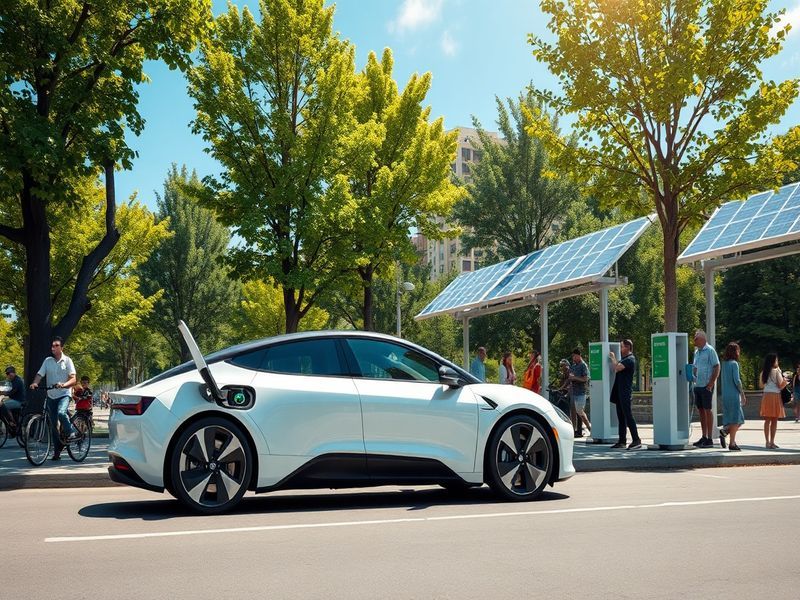
Exploring the Impact and Benefits of Electric Vehicles
Understanding Electric Vehicles: A Comprehensive Overview
Electric vehicles (EVs) have emerged as a crucial component in the transition towards sustainable transportation. With increasing concerns about climate change and air pollution, the shift from traditional gasoline-powered cars to electric alternatives has gained significant momentum. This article explores the various facets of electric vehicles, their benefits, challenges, and broader implications for society and the environment.
Benefits of Electric Vehicles
Electric vehicles offer a range of advantages that contribute to their growing popularity. Some of the key benefits include:
- Environmental Impact: EVs produce zero tailpipe emissions, significantly reducing air pollution in urban areas.
- Cost Savings: While the initial purchase price may be higher, EVs typically have lower operating costs, including maintenance and fuel.
- Energy Independence: By utilizing domestically produced electricity, countries can reduce reliance on imported oil.
- Technological Innovation: The rise of electric vehicles has spurred advancements in battery technology, charging infrastructure, and renewable energy integration.
These benefits not only enhance individual consumer experiences but also contribute to a larger movement towards sustainable living. As more people adopt EVs, the cumulative effect can lead to significant reductions in greenhouse gas emissions.
Challenges Facing Electric Vehicle Adoption
Despite the numerous advantages, electric vehicles face several challenges that hinder widespread adoption. Addressing these issues is essential for the future of EVs:
- Charging Infrastructure: The availability of charging stations is still limited in many areas, making long-distance travel difficult for EV owners.
- Battery Range: Although battery technology is improving, many consumers remain concerned about the range of electric vehicles compared to traditional cars.
- Initial Cost: The upfront cost of purchasing an electric vehicle can be a barrier for many potential buyers, despite long-term savings.
- Consumer Awareness: There is still a lack of understanding about the benefits and capabilities of electric vehicles among the general public.
Overcoming these challenges will require collaboration between governments, private sectors, and consumers. Investments in charging infrastructure, incentives for EV purchases, and public education campaigns can help pave the way for a future where electric vehicles are commonplace.
Broader Implications of Electric Vehicle Adoption
The shift to electric vehicles extends beyond individual benefits. It has significant implications for the economy, energy sectors, and urban planning.
Economically, the growth of the electric vehicle market can lead to job creation in manufacturing, battery production, and charging infrastructure development. This shift may also influence global oil markets, as reduced demand for gasoline could lead to lower prices and impact oil-dependent economies.
From an energy perspective, increased EV adoption could spur advancements in renewable energy sources. As more consumers charge their vehicles during off-peak hours, there is potential for better integration of solar and wind energy into the grid. This transition could ultimately lead to a more sustainable energy system.
Urban planning will also need to adapt to accommodate electric vehicles. Cities may require more charging stations, dedicated parking spaces, and incentives for EV-friendly infrastructure. This transformation can lead to cleaner air and improved public health in densely populated areas.
Conclusion
Electric vehicles represent a pivotal shift in the way we think about transportation. Their numerous benefits, including environmental impact and cost savings, make them an appealing option for many consumers. However, challenges such as charging infrastructure and initial costs must be addressed to facilitate widespread adoption.
The broader implications of this shift are profound, potentially reshaping economies, energy systems, and urban landscapes. As we move forward, continued innovation and collaboration will be essential in realizing the full potential of electric vehicles and building a sustainable future.
For more information on electric vehicles and related topics, check out our Technology and Automotive categories.