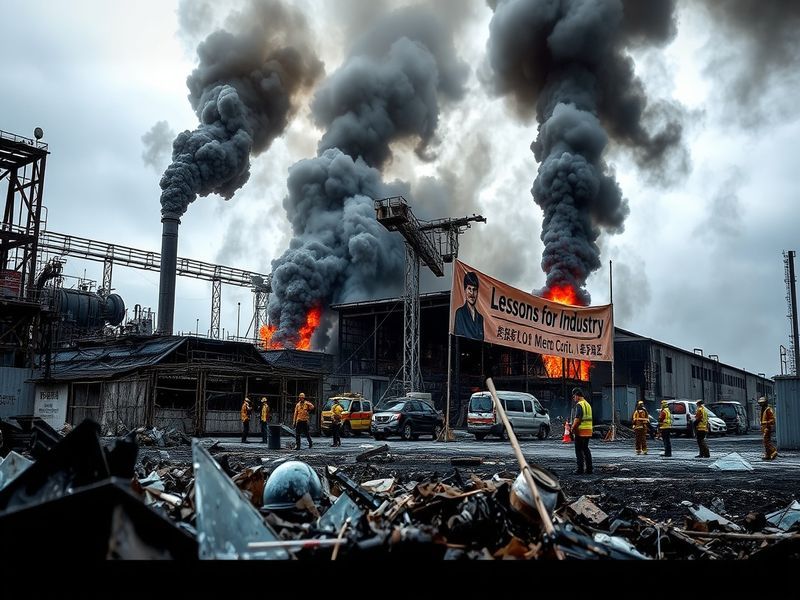
The fire at Fuyao Glass America’s plant in Moraine, Ohio, on February 20, 2023, remains one of the most significant industrial incidents in recent American manufacturing history. The blaze, which broke out in the early hours, engulfed the facility’s main production hall, causing extensive damage and raising immediate concerns about worker safety and supply chain disruptions. While the fire was contained within hours, its aftermath continues to reverberate through the automotive glass industry and beyond.
The Incident and Immediate Response
The fire began around 2:30 AM at the Fuyao plant, a major supplier of automotive glass to manufacturers like General Motors. Local fire departments responded swiftly, deploying over 100 firefighters to battle the flames. Despite the intensity of the fire, no fatalities were reported, though several firefighters sustained minor injuries. The cause of the fire remains under investigation, with preliminary reports suggesting an electrical malfunction as a possible trigger.
The plant’s location near Dayton made it a critical economic hub for the region. Fuyao Glass America, a subsidiary of China’s Fuyao Group, employs over 2,000 workers in Moraine. The sudden shutdown of operations disrupted production schedules for major automakers, highlighting the fragility of global supply chains.
Key Facts About the Incident
- Fire broke out on February 20, 2023, at approximately 2:30 AM.
- Over 100 firefighters responded to contain the blaze.
- No fatalities were reported, but several injuries occurred.
- The plant employs more than 2,000 workers in Moraine, Ohio.
- Investigators suspect an electrical malfunction as a potential cause.
Broader Implications for the Automotive Industry
The fire at Fuyao Glass America underscored the automotive industry’s heavy reliance on just-in-time manufacturing and specialized suppliers. The plant’s closure created ripple effects, delaying glass shipments to GM, Ford, and other automakers. While Fuyao quickly resumed operations after temporary repairs, the incident exposed vulnerabilities in supply chain resilience.
Automakers have since reevaluated their supplier diversification strategies, with many exploring alternative sources for critical components. The Moraine plant’s recovery also raised questions about workplace safety protocols, particularly in high-risk manufacturing environments.
For a deeper look at how supply chain disruptions impact industries, visit Dave’s Locker’s News section for ongoing analysis.
Safety and Regulatory Considerations
Industrial fires like the one at Fuyao Glass America often prompt scrutiny of workplace safety regulations and enforcement. The Occupational Safety and Health Administration (OSHA) conducted an inspection following the incident, though no major violations were cited. However, advocates argue that stricter oversight is needed in high-risk industries to prevent future disasters.
Fuyao Glass America had previously faced criticism over worker safety concerns, including reports of inadequate training and protective gear. The fire served as a stark reminder of the importance of proactive safety measures in manufacturing facilities.
Lessons Learned from Industrial Fires
- Enhanced emergency response planning is critical for large-scale industrial sites.
- Regular safety audits can help identify potential hazards before they escalate.
- Supplier diversification reduces dependency on single points of failure in supply chains.
- Worker training programs should emphasize fire prevention and emergency protocols.
- Regulatory agencies must balance enforcement with practical compliance guidance.
Fuyao’s Recovery and Future Outlook
Within weeks of the fire, Fuyao Glass America announced plans to rebuild and modernize the damaged facility. The company invested over $50 million in repairs and upgrades, including fire suppression systems and structural reinforcements. By mid-2023, the plant was fully operational, though lingering concerns about long-term stability remained.
The incident also sparked debates about foreign investment in American manufacturing. Fuyao’s presence in Ohio has been a point of contention, with critics questioning the balance between economic benefits and national security risks. Proponents, however, argue that such investments bolster local economies and create high-paying jobs.
For further reading on foreign investment in U.S. manufacturing, explore Dave’s Locker’s Business section.
Conclusion
The fire at Fuyao Glass America was more than an isolated incident—it was a wake-up call for industries reliant on complex supply chains and high-risk manufacturing. While the immediate crisis was resolved, the long-term effects continue to shape discussions about safety, regulation, and economic resilience. As companies and regulators adapt, the lessons from Moraine will likely influence policies and practices for years to come.
Ultimately, the incident serves as a reminder that even the most advanced industries are not immune to disruption. Preparedness, transparency, and continuous improvement will be key to preventing future tragedies.