Insights into the Upcoming French Mayoral Elections
Overview of French Mayoral Elections
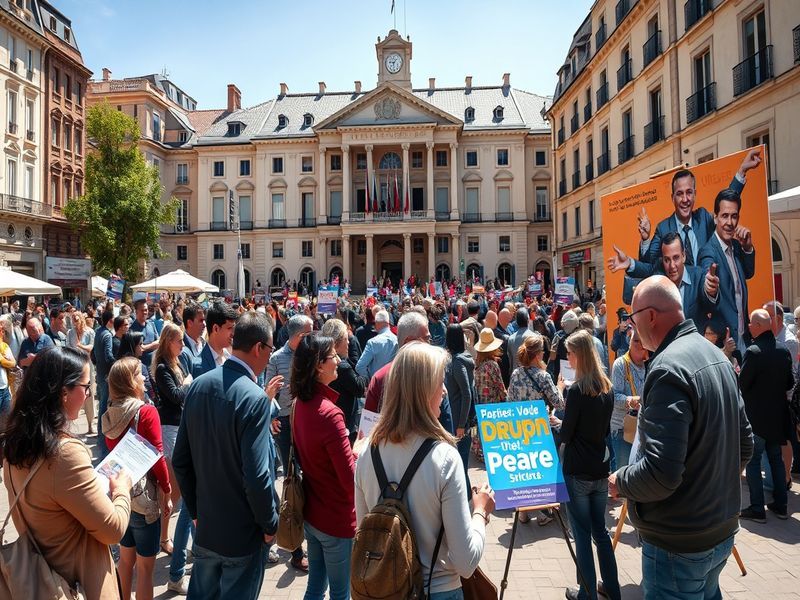
The French mayoral elections are a critical aspect of the country’s political landscape. They serve not only to elect local leaders but also reflect broader national trends and sentiments. Held every six years, these elections provide an opportunity for citizens to express their views on local governance and national issues alike.
Mayors in France wield considerable power, overseeing municipal services, urban planning, and local budgets. The elections are often seen as a barometer for the popularity of the ruling party and can significantly influence the political climate in the lead-up to presidential elections.
Historical Context
Understanding the historical context of the French mayoral elections is essential to grasp their significance. The modern system of local governance in France has evolved over the decades, particularly since the decentralization reforms of the 1980s. These reforms granted more autonomy to local administrations, thereby increasing the importance of mayoral positions.
In recent years, the elections have also mirrored shifts in political ideologies. For instance, the rise of new political parties, such as La République En Marche!, has changed the traditional two-party system dominated by the Socialists and the Republicans. This evolution reflects the changing dynamics of French society and its political preferences.
Recent Trends and Key Issues
As the next mayoral elections approach, several trends and key issues are emerging. Voter engagement is one of the primary concerns, especially among younger demographics. Historically, turnout rates for local elections have been lower than national elections, prompting calls for reforms to encourage participation.
Additionally, key issues such as climate change, urban development, and social equality are at the forefront of voters’ minds. Candidates are increasingly focusing on sustainable policies and social inclusivity to resonate with the electorate. Here are some of the major issues influencing the upcoming elections:
- Climate Action: Candidates are proposing various green initiatives to address environmental concerns.
- Urban Development: The need for affordable housing and improved infrastructure remains a hot topic.
- Public Safety: Security measures and crime prevention strategies are central to many campaigns.
- Social Equity: Addressing inequalities in access to services and opportunities is a significant concern.
Impact of National Politics
The outcome of the mayoral elections can have far-reaching implications for national politics. A strong performance by the ruling party can lend legitimacy to its policies, while a poor showing may signal discontent among the electorate. The recent rise of far-right candidates has also added a layer of complexity to the political dynamics.
Mayors have increasingly become prominent figures in national politics, often using their local platforms to influence broader discussions. Their ability to address local issues effectively can translate into national recognition and, in some cases, pave the way for future political ambitions.
As the elections draw near, the interplay between local and national issues will undoubtedly shape the strategies of candidates across the political spectrum. The results could potentially alter the balance of power within the French political system.
Conclusion
The French mayoral elections are more than just a local governance exercise; they are a reflection of the country’s evolving political landscape. As candidates prepare to engage with voters on pressing issues, the outcome will likely have significant implications for both local and national politics. With key topics such as climate action, urban development, and social equity at the forefront, these elections will serve as a litmus test for the current administration’s policies and the electorate’s sentiments.
For further insights on political trends in France, visit our Politics section. To explore more about local governance, check out our News category.