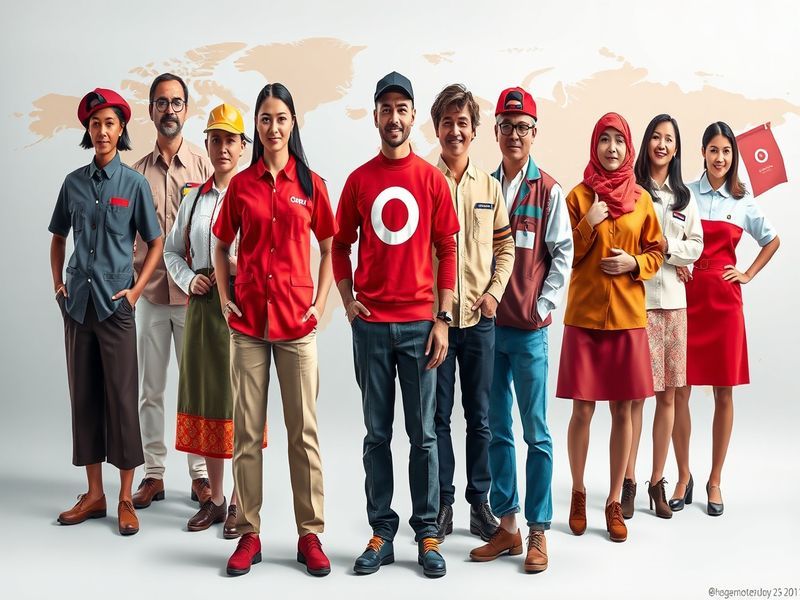
Target Dress Code: How Retail Uniforms Vary Across the Globe
Target Corporation, one of the largest retail chains in the United States, has long relied on its distinctive red-and-white uniform policy to create brand recognition. But how does this dress code compare to retail standards worldwide? From Tokyo to Toronto, the way employees dress reflects cultural values, labor laws, and brand identity. This article explores the evolution of Target’s dress code, its global counterparts, and the broader implications of retail uniforms in shaping customer perception.
The Evolution of Target’s Dress Code
Target’s dress code has undergone subtle changes over the decades. Originally, employees were required to wear red polo shirts or blouses with khaki pants or skirts—a look that reinforced the brand’s clean, approachable aesthetic. In 2014, the company relaxed its policy, allowing employees to wear jeans and more casual footwear, reflecting a shift toward flexibility in retail work environments.
Yet, the iconic red shirt remained a staple. The policy wasn’t just about aesthetics; it was a strategic move to ensure employees were easily identifiable in stores. This uniformity helped customers quickly locate assistance, reinforcing trust in the brand. While some critics argued that strict dress codes could feel restrictive, Target maintained that its policies balanced professionalism with practicality.
Global Retail Dress Codes: A Comparative Look
Target’s approach is not unique. Many global retailers enforce dress codes, but the specifics vary widely based on cultural norms and labor regulations. Below is a comparison of how different countries handle retail uniforms:
- Japan: Employees in major chains like Uniqlo and Muji often wear simple, minimalist uniforms—neutral colors with clean lines. The emphasis is on neatness and professionalism, aligning with Japan’s cultural preference for order and discretion in workplace attire.
- Germany: Retail workers in stores like Aldi and Lidl typically wear company-branded shirts or aprons over casual clothing. German labor laws prioritize comfort, so uniforms are designed to be functional without being overly restrictive.
- France: Luxury retailers like Sephora and Galeries Lafayette often opt for sleek, stylish uniforms that reflect the brand’s high-end image. French retail dress codes tend to be more fashion-forward than those in the U.S.
- India: In crowded markets like Mumbai, retail employees might wear branded T-shirts or caps to stand out. However, due to heat and humidity, lightweight, breathable fabrics are common.
These variations highlight how retail dress codes adapt to local expectations. In some cultures, uniforms signal professionalism, while in others, they prioritize practicality and comfort. Target’s policy strikes a middle ground—recognizable yet adaptable.
The Psychological Impact of Retail Uniforms
Uniforms do more than identify employees; they influence customer behavior and employee morale. Studies suggest that recognizable uniforms can increase trust and perceived competence among staff. When customers see a consistent look, they’re more likely to approach employees for help, improving service efficiency.
However, dress codes can also create challenges. Employees in restrictive uniforms may feel less empowered to express individuality, potentially impacting job satisfaction. Target’s shift toward more casual options in 2014 was partly a response to such concerns, aiming to balance brand consistency with worker comfort.
Globally, retailers are experimenting with hybrid approaches. Some brands now allow employees to personalize their uniforms with accessories or color accents, blending professionalism with individuality. This trend reflects a broader shift in workplace culture, where flexibility is increasingly valued.
Cultural Perceptions and Brand Identity
The way a retailer dresses its employees can shape how customers perceive the brand. In the U.S., Target’s red shirts are synonymous with accessibility and reliability. In contrast, high-end brands like Fashion retailers in Europe often use uniforms to project exclusivity and sophistication.
Cultural attitudes toward uniforms also play a role. In countries with strong labor unions, like Germany, dress codes may be negotiated to ensure fairness. In contrast, in more hierarchical societies, uniforms often reinforce corporate authority. Target’s policy, while not rigid, reflects America’s consumer-driven ethos—a balance of professionalism and approachability.
As retail continues to evolve, so too will dress codes. The rise of remote work and gig economies may further blur the lines between traditional retail uniforms and casual attire. Yet, for now, Target’s red shirts remain a symbol of the brand’s enduring presence in the global marketplace.
Conclusion
Target’s dress code is more than a corporate policy; it’s a reflection of broader trends in retail and labor. From Tokyo’s minimalist aesthetics to Germany’s functional designs, global retailers adapt their uniforms to local cultures while maintaining brand identity. As workplaces evolve, flexibility and individuality will likely play larger roles in dress codes. Yet, the core purpose remains: to create a recognizable, trustworthy shopping experience for customers worldwide.