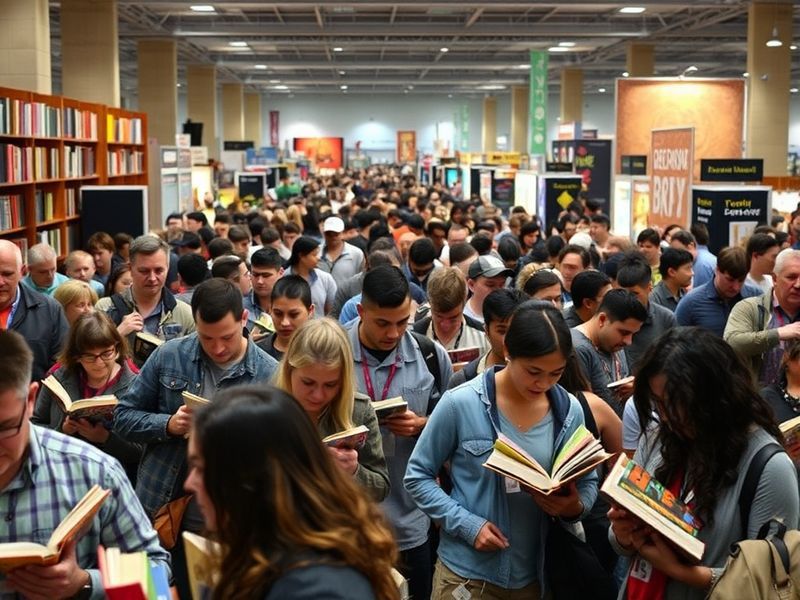
BookCon has quietly evolved from a niche gathering for bibliophiles into a mainstream cultural event that reshapes how the public engages with literature. In 2024, the convention—held annually at the Jacob K. Javits Center in New York City—drew over 20,000 attendees, cementing its status as a pivotal moment on the publishing calendar. What began as a modest extension of BookExpo America has burgeoned into a multi-day extravaganza featuring author panels, exclusive previews, cosplay, and even celebrity cameos.
The event’s transformation reflects broader shifts in how stories are consumed and celebrated. While traditional book fairs once focused on industry professionals, BookCon now caters explicitly to fans, blurring the lines between literary culture and pop entertainment. This evolution raises important questions about the future of reading in an age dominated by digital content and short-form media.
From Industry Gathering to Fan Festival
BookCon’s origins trace back to 2010, when it launched as a consumer-facing offshoot of BookExpo, the publishing industry’s primary trade show. For its first few years, the event operated in the shadow of its parent conference, primarily serving as a platform for publishers to hawk upcoming titles to booksellers and librarians. But by the mid-2010s, organizers recognized an untapped opportunity: the growing appetite among everyday readers for immersive, interactive experiences centered on their favorite authors and franchises.
This pivot proved timely. The rise of social media had already transformed how readers discovered and discussed books, creating communities around shared passions. BookCon capitalized on this momentum by introducing features like:
- Exclusive ARCs and signed editions: Attendees could snag early copies of highly anticipated releases, often with personal inscriptions from authors.
- Cosplay and fan art contests: Cosplayers reenacted scenes from beloved books, while artists displayed illustrations inspired by literary worlds.
- Pop-up installations: Exhibits from major franchises—including Harry Potter, Star Wars, and The Hunger Games—created Instagram-worthy backdrops for fans.
- Live storytelling sessions: Authors like Colson Whitehead and Angie Cruz led intimate readings, offering a counterpoint to the event’s larger-than-life energy.
By 2024, these elements had coalesced into a full-fledged experience. The convention floor buzzed with energy as lines snaked around booths for signings by authors ranging from debut novelists to household names like Stephen King. Meanwhile, panels on topics like “Diversity in Fantasy” and “The Future of Audiobooks” drew standing-room-only crowds, proving that the appetite for literary discourse remains robust.
The Commercial Power of Fandom
BookCon’s success isn’t just about celebrating books—it’s a testament to the commercial power of fandom. Publishers and authors have long relied on conventions to drive sales, but BookCon takes this strategy to another level. The event’s ability to generate pre-publication hype is unparalleled. For instance, when Fourth Wing by Rebecca Yarros debuted at BookCon 2023, advance buzz helped propel it to the top of bestseller lists for months. Similarly, House of Flame and Shadow by Sarah J. Maas leveraged its BookCon presence to dominate the market in early 2024.
This phenomenon extends beyond fiction. Nonfiction titles, too, benefit from BookCon’s spotlight. Memoirs by celebrities and public figures often receive a sales bump after appearances, while cookbooks and lifestyle guides tap into the event’s visual appeal. The convention’s partnership with retailers like Barnes & Noble ensures that featured titles remain prominently displayed long after the event ends.
Yet the commercialization of BookCon raises ethical questions. Critics argue that the event’s focus on blockbuster titles and celebrity authors sidelines midlist and debut writers. With publishers prioritizing titles they believe will generate social media buzz, lesser-known voices may struggle to gain visibility. Some industry insiders have called for reforms, such as dedicated spaces for independent publishers or rotating curation panels to diversify the offerings.
BookCon’s Broader Cultural Impact
BookCon’s influence extends beyond publishing. The event has become a barometer for broader cultural trends, reflecting how stories shape identity and community. One notable trend in 2024 was the rise of “booktok” authors—writers who gained fame through viral TikTok videos and parlayed that attention into BookCon appearances. This democratization of literary success contrasts sharply with traditional publishing’s gatekeeping, suggesting that platforms like TikTok are reshaping who gets to be an “author.”
BookCon also highlights the growing intersection between literature and other forms of entertainment. Panels on adapting books into films and TV shows are now a staple, with showrunners and screenwriters discussing how prose translates to screen. This reflects a larger industry shift: adaptations are no longer an afterthought but a primary driver of book sales. For example, the surge in interest for Project Hail Mary by Andy Weir followed its announcement as a film adaptation, a trend mirrored in BookCon’s programming.
The event’s embrace of fan culture has also influenced how publishers market books. Where once the focus was on critical acclaim or awards, now metrics like Goodreads ratings and Instagram engagement play a starring role. This shift has democratized literary success but also introduced new pressures. Authors are increasingly expected to cultivate online personas, blurring the lines between their professional and personal lives.
What’s Next for BookCon?
The future of BookCon will likely hinge on its ability to balance commercial appeal with literary integrity. As the event grows, organizers face challenges in maintaining its grassroots charm while catering to a global audience. One potential solution is expanding virtual attendance, allowing international fans to participate without the cost of travel. Another is diversifying programming to include more voices from marginalized communities, ensuring the event reflects the full spectrum of modern storytelling.
For now, BookCon remains a vital—and often overlooked—force in shaping how stories are discovered and celebrated. It’s a place where the ritual of reading meets the spectacle of entertainment, where quiet bookish hobbies collide with the noise of pop culture. In an era where attention spans are fleeting and content is abundant, events like BookCon remind us that the allure of a great story is timeless.
“BookCon proves that books aren’t just products—they’re experiences. The magic happens when a reader holds a book in their hands, but the real magic is in the community that forms around it.” — Javier Ramirez, author of The Last Librarian
As BookCon continues to evolve, one thing is clear: it’s no longer just a convention. It’s a cultural institution, a marketplace, and a celebration of the stories that define us. And if 2024 is any indication, it’s only getting bigger.
For those interested in exploring more about the intersection of literature and pop culture, check out our Entertainment and Culture sections on Dave’s Locker.