Mickey’s Not-So-Scary Halloween Party: A Global Tradition in the Making
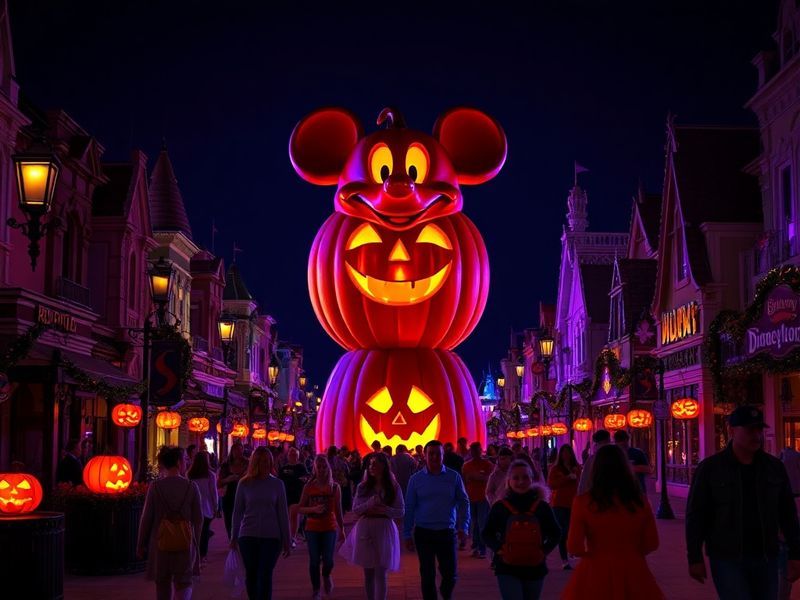
Every autumn, Walt Disney World Resort in Florida transforms into a seasonal wonderland, welcoming families from around the world to celebrate Halloween with Mickey’s Not-So-Scary Halloween Party. What began as a modest after-hours event in 1995 has since grown into a cultural touchstone, blending American traditions with global influences. The party’s success reflects broader trends in how Halloween is observed beyond its Celtic and Christian origins, evolving into a festive occasion embraced by diverse cultures.
Disney’s ability to adapt this holiday into a family-friendly experience highlights the company’s cultural agility. While the United States remains the holiday’s stronghold, Halloween’s popularity has surged in Japan, Brazil, and parts of Europe, where Disney parks have played a pivotal role in its adoption. This global reach underscores the party’s significance—not just as entertainment, but as a bridge between tradition and modernity.
The Origins and Evolution of a Halloween Tradition
Mickey’s Not-So-Scary Halloween Party debuted at Magic Kingdom on October 31, 1995, as a one-night event. The initial concept was simple: offer trick-or-treating, character meet-and-greets in costumes, and a Halloween parade. Over the years, the party expanded, introducing exclusive attractions like the Hocus Pocus Villain Spelltacular and the Mickey’s Boo-to-You Halloween Parade.
By the 2000s, Disneyland Resort in California followed suit, launching its own Halloween event. The success of these parties inspired international Disney parks to adopt similar celebrations. Tokyo Disney Resort now hosts its annual Halloween event, while Disneyland Paris blends American Halloween customs with French cultural elements, such as themed restaurant menus and localized character interactions.
This evolution mirrors Halloween’s global expansion. In Mexico, Día de los Muertos (Day of the Dead) shares October’s festive calendar with Halloween, yet both holidays coexist peacefully. Disney’s approach—focusing on whimsy rather than horror—has made the holiday accessible to a broader audience, including younger children who might otherwise avoid scarier Halloween traditions.
A Night of Exclusive Magic and Global Appeal
Attending Mickey’s Not-So-Scary Halloween Party is more than a theme park visit; it’s an immersive experience designed to evoke nostalgia and excitement. The event features limited-time attractions, such as the Jack’s Lament ride-through in Fantasyland, where guests encounter the mischievous Jack Skellington from The Nightmare Before Christmas. This inclusion of Tim Burton’s iconic character highlights Disney’s ability to blend its own intellectual properties with external pop culture.
The party’s global appeal is evident in its international fanbase. Social media has amplified its reach, with attendees from Europe, Asia, and Latin America sharing their experiences online. In Japan, where Halloween was once a niche interest, the event has become a bucket-list item for families. Similarly, in Brazil, Disney’s São Paulo-themed Halloween celebrations draw crowds eager to dress as their favorite characters.
Disney’s marketing strategy plays a crucial role in this phenomenon. By emphasizing family-friendly fun rather than horror, the company avoids alienating conservative audiences in regions where Halloween is less traditional. In the Middle East, for example, where Halloween is not widely celebrated, Disney’s approach has introduced the holiday in a way that aligns with local values.
Cultural Adaptations and Localized Experiences
While the core elements of Mickey’s Not-So-Scary Halloween Party remain consistent, each Disney park tailors the experience to its local audience. At Disneyland Paris, the event incorporates elements of Día de los Muertos, such as sugar skull decorations and a Villains Dance Party that features French and international villains. This fusion of traditions reflects the park’s location in a region where diverse cultures intersect.
In contrast, Tokyo Disney Resort leans into the playful, less spooky aspects of Halloween. The park’s event features character parades with Japanese pop stars and collaborations with local brands, such as Sanrio’s Hello Kitty. These partnerships demonstrate how Disney adapts its offerings to resonate with regional tastes while maintaining the party’s signature charm.
Even within the United States, regional differences emerge. At Walt Disney World, the party’s location in Florida—a state with a strong Latin American influence—means that Spanish-language character interactions and food options are readily available. This inclusivity ensures that the event feels welcoming to a diverse audience.
The Business of Halloween: How Disney Capitalizes on the Season
Mickey’s Not-So-Scary Halloween Party is a masterclass in seasonal marketing. The event generates significant revenue for Disney, with tickets priced at a premium compared to regular park admission. In 2023, the party’s $150 per person ticket price reflected its exclusivity and demand. Additionally, the event drives sales of Halloween merchandise, from limited-edition ears to themed snacks and souvenirs.
Disney’s strategy extends beyond ticket sales. The party encourages longer stays at Disney resorts, as families often combine the event with other park visits. Hotels near Walt Disney World report higher occupancy rates during the Halloween season, benefiting local businesses. This economic impact is a testament to how a single event can influence an entire region’s tourism industry.
The party’s success has also inspired other theme parks to launch Halloween events. Universal Studios’ Halloween Horror Nights and Six Flags’ Fright Fest cater to older audiences seeking scares, while Disney’s approach remains family-centric. This differentiation ensures that Mickey’s Not-So-Scary Halloween Party retains its unique appeal.
Looking Ahead: The Future of Disney’s Halloween Celebrations
As Halloween continues to evolve globally, Disney’s Halloween parties are poised to adapt. Virtual reality elements, augmented reality filters, and interactive experiences could enhance the event’s appeal for younger generations. Additionally, Disney’s focus on sustainability may lead to eco-friendly Halloween initiatives, such as reducing plastic waste in costumes and packaging.
The integration of new technologies could also expand the party’s reach. Imagine a hybrid event where guests at home can participate in a virtual parade or enjoy a live-streamed fireworks show. Such innovations would allow Disney to engage global audiences without the limitations of physical attendance.
Ultimately, Mickey’s Not-So-Scary Halloween Party is more than a seasonal event—it’s a cultural ambassador. By blending tradition with innovation, Disney has created a Halloween experience that transcends borders, uniting families in celebration. As the holiday continues to gain traction worldwide, Disney’s role in shaping its future remains as vital as ever.
A Final Thought: Why This Party Matters
In a world where holidays often become commercialized, Mickey’s Not-So-Scary Halloween Party stands out for its ability to foster joy and connection. It brings together people of all ages, backgrounds, and nationalities under the shared banner of imagination and fun. For many, it’s the first time they experience Halloween in a way that feels safe, magical, and inclusive.
As we look to the future, the party’s legacy will likely continue to grow. Whether it’s a child’s first trick-or-treat adventure or a family’s annual tradition, Disney’s Halloween celebration reminds us of the power of shared experiences. In an increasingly divided world, moments of collective joy are more precious than ever—and Mickey’s Not-So-Scary Halloween Party delivers just that.