The Evolution of Twitter: A Global Perspective on Social Media
The Evolution of Twitter: A Global Perspective
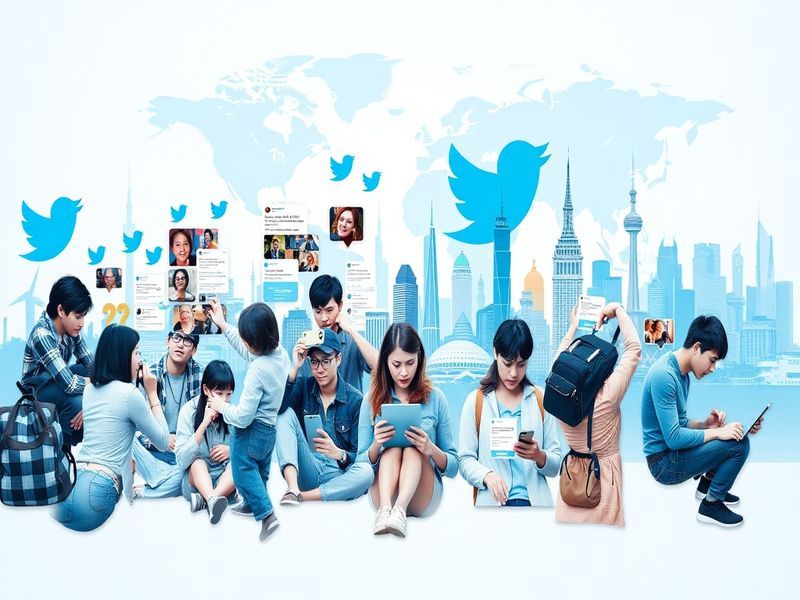
Since its inception in 2006, Twitter has transformed from a simple microblogging platform into a significant player in the realm of social media. With its unique character limit and real-time communication capabilities, it has become a vital tool for individuals, businesses, and governments alike. This article explores the journey of Twitter, its impact on global communication, and its cultural significance.
Twitter’s Global Impact
Twitter’s influence extends beyond mere social networking. It has become a platform for social movements, political discourse, and even crisis management. The immediacy of tweets allows for rapid dissemination of information, making it a crucial tool in various contexts.
For instance, during significant events like natural disasters or political uprisings, Twitter has served as a real-time communication channel. Users can share updates, safety information, and mobilize support. This was evident during the Arab Spring, where Twitter played a pivotal role in organizing protests and sharing news that traditional media outlets often overlooked.
Cultural Context and Usage
In different parts of the world, Twitter is used in diverse ways. In some countries, it serves as a primary news source, while in others, it is a platform for entertainment and networking. Here are a few notable uses of Twitter across various cultures:
- News and Information: Many users rely on Twitter for breaking news updates, following news outlets and journalists to stay informed.
- Political Discourse: Politicians and activists utilize Twitter to engage with constituents, promote agendas, and respond to current events.
- Social Movements: Hashtags like #BlackLivesMatter and #MeToo have shown how Twitter can unite voices for social change.
- Entertainment: Celebrities and influencers share personal insights and connect with fans, often leading to viral trends.
The Role of Hashtags and Trends
Hashtags are a defining feature of Twitter, acting as a way to categorize and follow discussions. They help users find content relevant to their interests, while also enabling trends to emerge organically. This phenomenon can lead to global conversations on various topics, from social issues to pop culture.
Trending topics can reflect societal interests, concerns, and events in real-time. The algorithm behind trending topics considers various factors, including the volume of tweets and engagement levels. As a result, a local issue can gain international attention overnight, highlighting Twitter’s power as a communication tool.
Challenges and Criticisms
Despite its numerous advantages, Twitter faces several challenges. Issues such as misinformation, harassment, and censorship have raised concerns about its influence. The platform has been criticized for its handling of hate speech and the spread of false information, which can have real-world consequences.
In response, Twitter has implemented various measures to combat these issues, including fact-checking features and stricter guidelines for user behavior. However, the balance between free speech and responsible moderation remains a contentious topic.
The Future of Twitter
Looking ahead, Twitter continues to evolve. The introduction of new features, such as Spaces (audio chat rooms) and enhanced monetization options for creators, indicates a shift towards greater user engagement and content diversity. As global events unfold, Twitter will likely adapt to meet the needs of its users, further shaping the way we communicate.
In conclusion, Twitter has established itself as a powerful platform for communication on a global scale. Its ability to connect individuals, facilitate discussions, and drive social movements cannot be understated. As it faces challenges and explores new features, its role in shaping public discourse will undoubtedly continue to grow.
For more insights into the world of social media and its impact on culture, explore our Culture section.