Thomas Shelby: How Peaky Blinders Redefined the Antihero
Thomas Shelby, portrayed by Cillian Murphy in the BBC series Peaky Blinders, stands as one of television’s most compelling antiheroes. Unlike traditional protagonists who adhere to moral absolutes, Shelby embodies a complex blend of ambition, ruthlessness, and vulnerability. His journey from a working-class veteran to the leader of a Birmingham crime empire challenges viewers to confront uncomfortable questions about power, trauma, and redemption.
The character’s enduring appeal lies in his contradictions. Shelby is both a visionary and a monster, a family man and a criminal overlord. His sharp intellect and strategic mind elevate him beyond mere villainy, while his emotional detachment and capacity for violence expose the fragility of his humanity. These dualities make him a fascinating study in human nature, reflecting broader societal issues of post-war trauma, class struggle, and the corrupting influence of power.
The Evolution of Tommy Shelby: From War to Power
Shelby’s transformation begins with his return from World War I, where he served as a sergeant in the Royal Irish Regiment. The war leaves him physically and psychologically scarred, suffering from what would now be diagnosed as PTSD. His experiences in the trenches shape his worldview, fostering a deep distrust of authority and a belief that survival requires cunning and ruthlessness.
Upon returning to Birmingham, Shelby finds his family, the Shelby Crime Syndicate, struggling to maintain control in a city dominated by rival gangs and corrupt officials. His leadership style is methodical and calculated. He reorganizes the gang into a disciplined, corporate-like operation, renaming them the Shelby Company Limited. This shift from street-level crime to organized enterprise marks a turning point in the series, as Shelby leverages his wartime skills to build an empire.
Shelby’s rise to power is not without cost. His relationships suffer as his ambition consumes him. His wife, Grace, and his sister, Ada, often serve as moral compasses, challenging his decisions. Yet, Shelby’s inability to fully trust or confide in others isolates him, reinforcing his reputation as an enigmatic figure who prioritizes control over connection.
The Psychology of a Gangster: What Drives Tommy Shelby?
Shelby’s motivations are a tapestry of personal trauma, class resentment, and a desire for legacy. His working-class background fuels his ambition to transcend his circumstances, but his methods often alienate those closest to him. His relationship with his younger siblings—particularly Arthur, John, and Ada—reveals a protective yet controlling dynamic. Shelby sees himself as both their savior and their jailer, a dichotomy that underscores his fractured psyche.
Trauma plays a central role in Shelby’s character. His PTSD symptoms, including nightmares and hypervigilance, are woven into the narrative, offering a raw portrayal of war’s aftermath. These struggles humanize him, making his ruthless actions feel like coping mechanisms rather than mere villainy. Shelby’s use of violence is often framed as a necessary evil, a way to protect what little he has built in a world that offers him no alternatives.
Another key driver is Shelby’s obsession with legitimacy. Despite his criminal enterprise, he craves recognition from the upper echelons of society. His interactions with figures like Inspector Chester Campbell and political allies demonstrate his belief that power, not morality, dictates one’s place in the world. This pragmatism is both his strength and his downfall, as it blinds him to the ethical consequences of his actions.
Key Traits of Tommy Shelby
- Intelligence: Shelby’s strategic mind allows him to outmaneuver rivals and manipulate systems, from local politics to international finance.
- Ruthlessness: He eliminates threats without hesitation, whether they are enemies or perceived liabilities within his own organization.
- Emotional Detachment: Shelby struggles to express vulnerability, often masking pain with cold logic and stoicism.
- Ambition: His desire for power is both a motivator and a curse, driving him to take risks that endanger those he cares about.
Tommy Shelby’s Legacy: Impact on Television and Culture
Shelby’s character has left an indelible mark on television, redefining the antihero archetype for a new generation. His complexity challenges traditional notions of heroism, forcing audiences to engage with morally ambiguous narratives. Unlike characters such as Tony Soprano or Walter White, Shelby’s villainy is not rooted in a single flaw but in a series of calculated choices driven by survival and ambition.
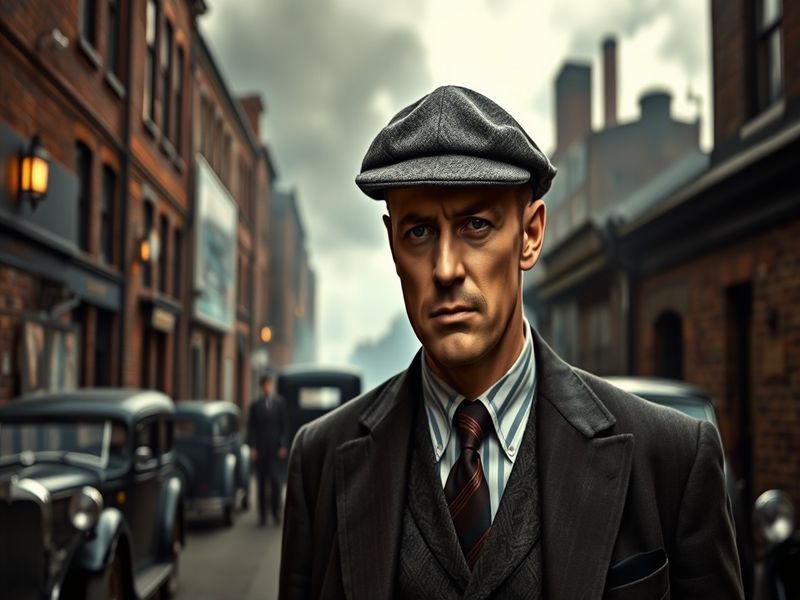
The show’s success has spawned a global fandom, with Shelby’s signature style—sharp suits, shaved head, and piercing blue eyes—becoming iconic. His character has also sparked discussions about masculinity, mental health, and the cost of power. Fashion and music have equally been influenced, with the series reviving interest in 1920s aesthetics and 1980s post-punk soundtracks.
Shelby’s cultural impact extends beyond entertainment. His portrayal of working-class struggle resonates in an era of economic inequality, while his PTSD storyline has brought attention to the often-overlooked mental health challenges faced by veterans. The character serves as a mirror to society, reflecting its contradictions and hypocrisies.
What’s Next for Tommy Shelby?
As Peaky Blinders concludes, Shelby’s future remains uncertain. The final seasons hint at his desire to escape the cycle of violence that has defined his life. His interactions with characters like Jessie Eden, a fiery communist organizer, and Michael Gray, his estranged son, suggest a potential path toward redemption—or further downfall.
Shelby’s journey raises questions about whether true change is possible for someone shaped by such extreme circumstances. His story is a cautionary tale about the seductive nature of power and the difficulty of breaking free from one’s past. Whether he finds peace or succumbs to his demons, Shelby’s legacy as a modern antihero is secure.
For fans eager to explore more about the world of Peaky Blinders, television reviews and analyses on Dave’s Locker offer deeper insights into the series’ themes and characters. Additionally, historical context pieces provide valuable background on the era that shaped Shelby’s world.
Final Thoughts
Thomas Shelby is more than just a fictional character; he is a cultural touchstone who challenges viewers to examine their own values and biases. His story is a reminder that heroism is not defined by morality alone but by the choices one makes in the face of adversity. Whether you see Shelby as a villain, a victim, or something in between, his impact on television and popular culture is undeniable.