Understanding Plane Crashes in New York City: A Historical Perspective
Plane Crashes in New York City: A Historical Overview
New York City has been a backdrop for numerous plane crashes, each with its own set of circumstances and consequences. These incidents have not only impacted the victims and their families but have also influenced aviation safety regulations and protocols. The history of plane crashes in NYC is marked by both tragedy and resilience.
One of the most notable incidents occurred on September 11, 2001, when terrorists hijacked four commercial airliners. Two of these planes were flown into the World Trade Center, resulting in the loss of thousands of lives and significant destruction. This event reshaped U.S. security policies and had lasting implications on air travel.
Major Incidents and Their Impact
While 9/11 is the most infamous, there have been several other plane crashes in NYC that deserve attention. Each incident has contributed to the evolution of aviation safety measures. Here are a few significant events:
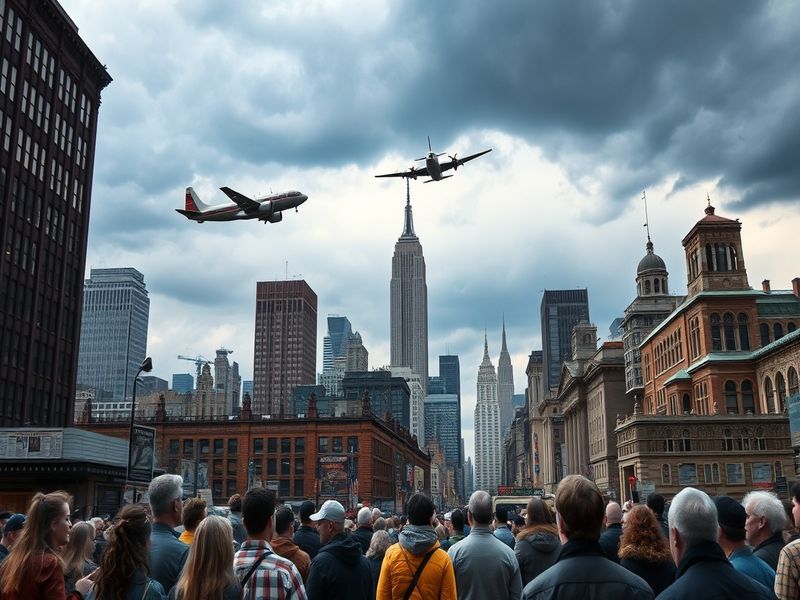
- The 1945 B-25 Bomber Crash: A B-25 bomber crashed into the Empire State Building due to foggy conditions, killing 14 people and highlighting the need for improved air traffic control.
- The 1977 Tenerife Airport Disaster: Though not in NYC, this incident had a profound effect on aviation safety regulations that also influenced practices in New York.
- The 2006 Plane Crash in the Upper East Side: A small plane crashed into a building, emphasizing the risks associated with private aviation.
Each of these incidents has prompted investigations and changes in regulations, aimed at preventing similar tragedies in the future. The lessons learned have often led to stricter training and safety protocols for pilots and air traffic controllers alike.
Investigations and Safety Measures
After every major incident, the National Transportation Safety Board (NTSB) conducts thorough investigations. Their findings often lead to significant changes in aviation policies. For instance, after the 2001 attacks, security measures at airports were drastically enhanced. Screening processes became more stringent, and the implementation of the Transportation Security Administration (TSA) was a direct response to the vulnerabilities exposed by the attacks.
In addition to security measures, the design and operation of aircraft have evolved. Modern planes are equipped with advanced technology that helps prevent accidents. For example, the introduction of cockpit resource management training has improved communication among flight crews, thereby reducing human error.
The Emotional Toll and Community Response
Plane crashes have a profound emotional impact on communities, especially in a densely populated city like New York. The loss of life and the destruction brought by these tragedies often lead to communal grief and resilience. Memorials and tributes have been established in honor of victims, serving as a reminder of the lives lost and the importance of safety in aviation.
The aftermath of these tragedies also fosters discussions about mental health support for families affected by such incidents. New York City has seen a rise in community support systems aimed at helping individuals cope with the psychological effects of sudden loss.
Conclusion
Plane crashes in New York City serve as a stark reminder of the vulnerabilities associated with air travel. Each incident, from the infamous attacks on September 11 to lesser-known crashes, has contributed to a broader understanding of aviation safety. The evolution of regulations, technology, and community support reflects a collective effort to prevent future tragedies.
As we reflect on the history of plane crashes in NYC, it is essential to honor the lives lost while also recognizing the advancements made in aviation safety. With ongoing improvements in technology and regulations, the hope is to create a safer environment for all who travel by air.
For more insights into aviation safety and related topics, visit our Analysis and News sections.