The Target Dress Code: Understanding the Guidelines
The Target dress code has become a topic of interest among employees, customers, and observers alike. As one of the largest retail chains in the United States, Target’s policies not only reflect its corporate culture but also have implications for its image and customer experience. This article examines the components of the Target dress code, its broader implications, and the challenges it presents.
Overview of the Dress Code Policy
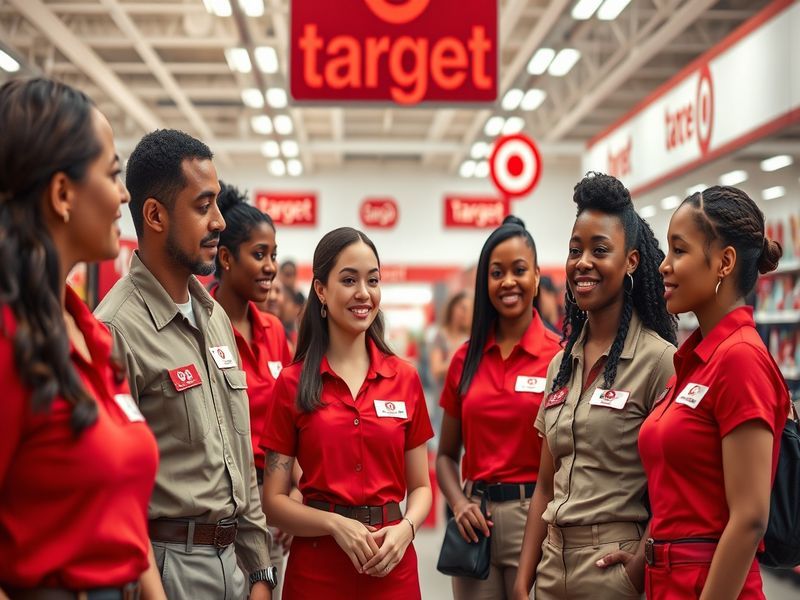
Target’s dress code is designed to promote a professional yet approachable atmosphere. The guidelines emphasize a balance between brand representation and employee comfort. Here are the key elements of the Target dress code:
- Color Palette: Employees are encouraged to wear red, khaki, or gray, which are the brand colors.
- Logos: Attire should be free from large logos or graphics, keeping the focus on the Target brand.
- Footwear: Comfortable, closed-toe shoes are recommended, especially for roles that require extensive walking or standing.
- Casual Wear: While casual attire is acceptable, it must be neat and professional.
- Accessories: Minimal accessories are encouraged to maintain a clean and cohesive look.
These guidelines aim to ensure that employees present a unified front while also feeling comfortable in their work environment. However, the dress code is not without its critics.
Implications for Employee Morale and Brand Image
Dress codes often elicit mixed reactions from employees. While some appreciate the clarity and professionalism it offers, others find it restrictive. The Target dress code, in particular, can be seen as a double-edged sword. On one hand, it fosters a sense of belonging among employees, as they all adhere to a common standard. This can enhance team spirit and pride in the workplace.
On the other hand, strict dress codes can stifle individuality and self-expression. Employees may feel uncomfortable or constrained by the guidelines, which could lead to decreased morale. Research has shown that when employees feel good about their appearance, their productivity and job satisfaction often increase. Therefore, a balance must be struck between maintaining a professional appearance and allowing personal expression.
The Broader Context of Dress Codes in Retail
The discussion surrounding Target’s dress code is part of a larger conversation about workplace attire in the retail sector. Many retailers have adopted flexible dress codes in response to changing social norms and employee expectations. For instance, companies like Zappos and Starbucks have implemented more relaxed policies, allowing employees to showcase their personal style.
This shift reflects a growing recognition of the importance of employee well-being and the desire for companies to attract top talent. In a competitive job market, organizations that prioritize employee comfort and autonomy may have an advantage in recruitment and retention.
Moreover, the implications extend beyond employee satisfaction. A flexible dress code can influence customer perceptions. Shoppers may be more inclined to engage with employees who appear relatable and approachable. In contrast, a rigid dress code may create a barrier, making employees seem less accessible.
Conclusion: Finding the Right Balance
Target’s dress code serves as an interesting case study in the retail industry. While it aims to promote professionalism and brand identity, it also raises important questions about employee morale and individual expression. As the retail landscape continues to evolve, companies must carefully consider how their dress codes align with their values and the expectations of their workforce.
Ultimately, the most effective dress codes will be those that find a harmonious balance between maintaining a professional image and allowing employees to express their individuality. As Target and other retailers navigate this delicate balance, they will likely influence broader trends in workplace attire for years to come.
For more insights on workplace culture and retail trends, check out our Analysis and Fashion sections.