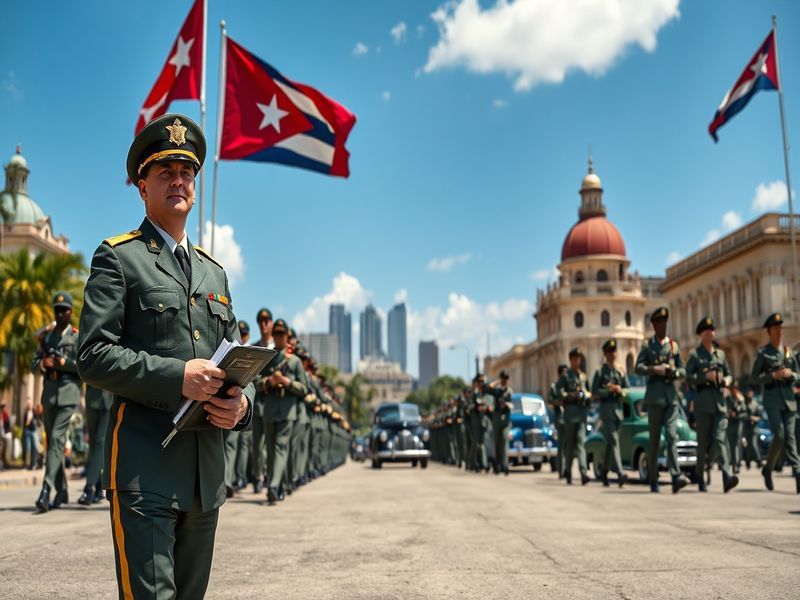
Overview of the Cuban Military
The Cuban military, officially known as the Revolutionary Armed Forces (Fuerzas Armadas Revolucionarias, FAR), plays a significant role in the nation’s governance, economy, and international relations. Established during the Cuban Revolution in the 1950s, the military has evolved into a powerful institution that extends beyond mere defense. Its influence permeates various sectors of Cuban life, shaping policies and maintaining stability.
Structure and Composition
The Cuban military is structured into several branches: the Army, Navy, Air Force, and the Ministry of the Interior, which oversees internal security and intelligence operations. The FAR is unique in comparison to other militaries around the world, as it incorporates a significant number of reservists and mobilized civilians. This broad base of personnel ensures that the military can respond effectively to various challenges.
Key components of the Cuban military include:
- Ground Forces: The Cuban Army is the largest branch, heavily equipped with Soviet-era arms and a focus on infantry.
- Navy: While not as prominent as the Army, the Navy plays a crucial role in protecting Cuba’s maritime borders.
- Air Force: The Air Force primarily focuses on air defense, utilizing a mix of older Soviet aircraft and more modern acquisitions.
- Special Forces: This elite group is trained for unconventional warfare and rapid response missions.
Political Role and Influence
The Cuban military has historically been intertwined with the political landscape of the island. After the revolution, Fidel Castro placed military leaders in key government positions, ensuring that the armed forces remained loyal to the revolutionary ideals. This relationship has continued under the leadership of Raul Castro and his successor, Miguel Díaz-Canel.
The military’s influence extends beyond defense; it plays a vital role in the economy as well. Military enterprises are involved in various sectors, including tourism, agriculture, and biotechnology. This involvement not only bolsters the military’s budget but also allows it to maintain significant control over the country’s resources.
International Relations and Military Alliances
Cuba’s military strategy is heavily influenced by its historical relationships with other nations, particularly during the Cold War. The alliance with the Soviet Union provided Cuba with military support and training, shaping its capabilities. Today, Cuba continues to maintain strong ties with countries like Russia and Venezuela, which support its military endeavors.
In recent years, Cuba has sought to modernize its military forces through various means:
- Acquisition of new technology from allies.
- Joint military exercises with foreign partners.
- Increased focus on cyber warfare and intelligence capabilities.
These efforts reflect a desire to adapt to contemporary security challenges while maintaining sovereignty and independence from U.S. influence.
Challenges and Future Outlook
The Cuban military faces several challenges as it navigates a complex geopolitical landscape. Economic constraints have limited modernization efforts, and the ongoing U.S. embargo continues to impact its operational capabilities. Additionally, internal dissent and the need for reform pose significant challenges to the military’s traditional structure and influence.
Looking ahead, the Cuban military’s future will likely be shaped by:
- Continued emphasis on internal security and suppression of dissent.
- Efforts to modernize equipment and training to address new threats.
- Increased civilian-military relations as the government seeks to maintain stability.
As Cuba faces a rapidly changing global environment, the military’s role will be crucial in determining the nation’s direction and resilience. The balance between maintaining power and adapting to new realities will define the future of the Cuban military and its impact on society.