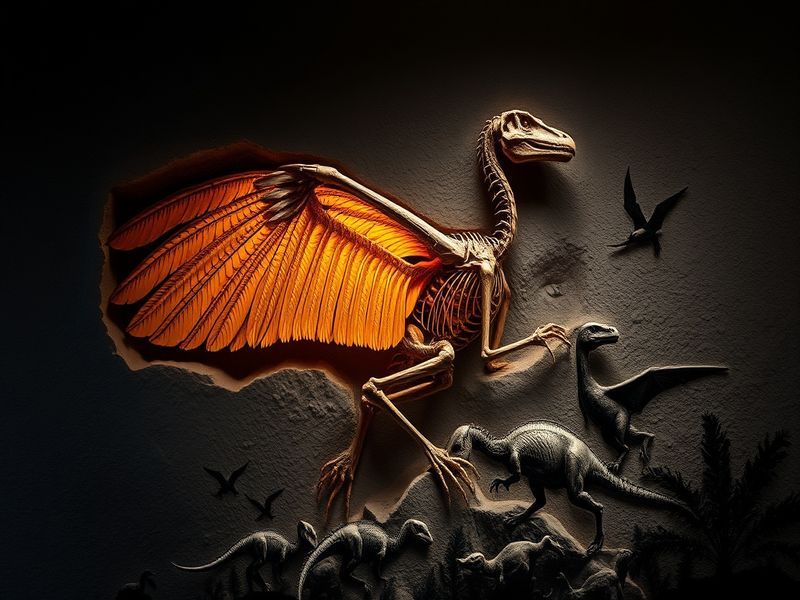
The Significance of the Archaeopteryx Fossil
The Archaeopteryx fossil holds a pivotal place in the study of paleontology and evolution. Discovered in the late 19th century, this remarkable specimen has provided invaluable insights into the transition from dinosaurs to modern birds. Its unique characteristics bridge the gap between two distinct classes of animals, making it a focal point in discussions surrounding evolutionary biology.
Dating back approximately 150 million years, the Archaeopteryx is often referred to as the first known bird. Its discovery in the Solnhofen limestone quarries of Bavaria, Germany, has led to extensive research and debate among scientists. The fossil showcases both avian and reptilian features, making it a crucial piece of evidence in understanding the origins of flight.
Key Features of Archaeopteryx
What sets the Archaeopteryx apart from other fossils is its combination of traits that are characteristic of both birds and reptiles. Here are some of the notable features:
- Feathers: The presence of feathers indicates its capability for flight, similar to modern birds.
- Wings: Its wings were structured like those of contemporary birds, yet retained some characteristics of dinosaur forelimbs.
- Teeth: Unlike modern birds, Archaeopteryx had teeth, a trait more commonly associated with reptiles.
- Long tail: It possessed a long, bony tail, which is a feature found in many non-avian dinosaurs.
These features highlight the blend of both evolutionary paths, providing a clearer picture of how birds may have evolved from theropod dinosaurs. The fossil’s anatomy has prompted scientists to reconsider the timeline and mechanisms of avian evolution.
Scientific Impact and Controversies
The Archaeopteryx fossil has been at the center of numerous debates in the scientific community. Initially, it was celebrated as the missing link between dinosaurs and birds. However, as more discoveries emerged, questions arose regarding its classification and significance.
Some researchers argue that Archaeopteryx should be classified as a dinosaur rather than a bird, given its mix of features. This classification debate has led to various interpretations of the fossil’s role in the evolutionary timeline. Key points of contention include:
- The classification of Archaeopteryx as a true bird or a dinosaur.
- The implications of its features on the understanding of flight evolution.
- The broader impact of new dinosaur discoveries on the status of Archaeopteryx.
These discussions illustrate the dynamic nature of scientific inquiry, where new findings can significantly alter established beliefs. As more fossils are unearthed, the narrative surrounding Archaeopteryx continues to evolve.
Future Research and Discoveries
Looking ahead, the future of research on Archaeopteryx promises to yield even more fascinating insights. Ongoing excavations and advancements in technology, such as imaging techniques and genetic analysis, are likely to shed new light on this ancient creature.
Furthermore, the study of Archaeopteryx can help address broader questions regarding the evolution of flight in birds. Researchers are particularly interested in:
- Understanding the mechanics of flight in early birds.
- Exploring the ecological niches that Archaeopteryx occupied.
- Investigating the evolutionary pressures that led to the development of feathers and flight capabilities.
As paleontologists continue to piece together the evolutionary puzzle, Archaeopteryx will undoubtedly remain a central figure in the narrative of life on Earth.
Conclusion
The Archaeopteryx fossil is more than just an ancient relic; it is a symbol of the intricate web of life and evolution. Its unique combination of features has made it a subject of intense study and debate, highlighting the complexities of classifying prehistoric organisms. As research progresses, this remarkable fossil will undoubtedly continue to inspire and inform our understanding of evolution.
For more articles on fascinating scientific discoveries, visit our Science category or explore our News section.