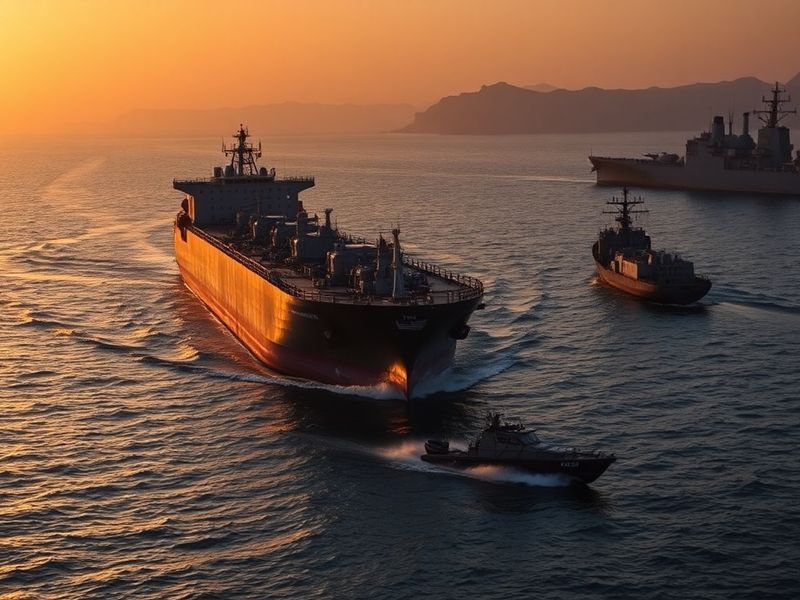
Kpler and the Strategic Tapestry of the Strait of Hormuz
The Strait of Hormuz is more than a narrow waterway between Iran and Oman—it is a global chokepoint where geopolitics, economics, and energy intersect. With approximately 20% of the world’s oil passing through this 21-mile-wide passage daily, its significance cannot be overstated. In this complex environment, companies like Kpler have emerged not just as observers, but as critical data providers shaping how governments, traders, and analysts understand the flow of energy.
Kpler, a Paris-based maritime intelligence firm, has built a reputation for delivering real-time insights into oil and gas shipments. Its platform tracks vessels, cargo volumes, and port activities, offering a granular view of the Strait’s operations. But why does this matter?
The Strait of Hormuz isn’t just a shipping lane—it’s a pressure point where tensions between Iran and Western powers regularly flare. Sanctions, military drills, and diplomatic standoffs have made this region a flashpoint in global energy security. Understanding the Strait’s dynamics requires more than raw data; it demands context. This is where Kpler’s role becomes pivotal, bridging the gap between raw numbers and strategic foresight.
The Geopolitical Chessboard: Why the Strait Matters
The Strait of Hormuz connects the Persian Gulf to the Gulf of Oman and, ultimately, the Arabian Sea. Its narrowness—just 21 miles at its widest point—makes it vulnerable to disruption. A single incident, whether intentional or accidental, could send shockwaves through global oil markets. The region has seen such disruptions before: in 2019, drone attacks on Saudi Aramco facilities temporarily halved the kingdom’s oil production.
Iran, which borders the Strait, has repeatedly threatened to close it during periods of heightened tension. While such a move would be economically self-destructive for Iran, it remains a potential tool in its diplomatic arsenal. The U.S. and its allies, including Saudi Arabia and the UAE, have invested heavily in military patrols and alternative shipping routes to mitigate risks. Yet, the Strait remains a tinderbox ready to ignite.
Kpler’s data becomes essential in this environment. By monitoring tanker movements, it provides early warnings of potential disruptions. For instance, during the 2021 Houthi attacks on UAE oil facilities, Kpler’s tracking data helped analysts assess the immediate impact on regional exports. Such insights allow traders to adjust positions before markets react violently.
Kpler’s Role: From Data to Decision-Making
Founded in 2014, Kpler has grown into a go-to source for maritime intelligence. Its platform aggregates data from satellites, automatic identification systems (AIS), and port authorities to deliver real-time snapshots of the global oil trade. In the Strait of Hormuz, this data is particularly valuable because of the region’s opacity.
The company’s approach combines technology with human expertise. Algorithms process vast amounts of vessel data, while analysts interpret the results within the broader geopolitical context. This hybrid model allows Kpler to distinguish between routine tanker traffic and unusual movements that could signal trouble.
For example, during the 2020 U.S.-Iran tensions, Kpler’s data revealed a surge in Iranian oil exports disguised as ship-to-ship transfers. This tactic, known as “ghost shipping,” helped Iran bypass sanctions while keeping its oil flowing. Traders and policymakers relied on Kpler’s insights to navigate the murky waters of sanctioned trade.
Kpler’s influence extends beyond traders. Governments use its data to assess compliance with sanctions, while energy analysts rely on it to forecast supply disruptions. In a region where misinformation can spread as quickly as oil, Kpler’s role as a neutral arbiter of facts is indispensable.
The Human Cost: How the Strait Affects Local Communities
While global markets focus on oil flows, the Strait of Hormuz is home to vibrant coastal communities. Cities like Bandar Abbas in Iran and Khasab in Oman depend on the Strait for trade, fishing, and tourism. The region’s economy is deeply intertwined with the ebb and flow of tankers and cargo ships.
Yet, life here is far from stable. Fishermen in Oman’s Musandam Peninsula often find their nets tangled in debris from oil spills or naval exercises. In Iran, sanctions have crippled the local economy, forcing many to seek work in the shadowy world of smuggling or ghost shipping. The Strait’s strategic importance overshadows the daily struggles of those who live in its shadow.
Environmental concerns add another layer to the human story. Oil spills, though rare, can devastate marine ecosystems. The Strait is home to endangered species like the hawksbill turtle, and coral reefs that support local fisheries. The constant presence of tankers increases the risk of accidents, turning the Strait into a potential ecological minefield.
In response, local activists and NGOs have called for stricter environmental regulations and safer shipping practices. However, their voices are often drowned out by the geopolitical noise. The Strait’s role as a global energy lifeline leaves little room for prioritizing environmental or social concerns.
Navigating the Future: Challenges and Opportunities
The Strait of Hormuz faces an uncertain future. On one hand, the rise of renewable energy could reduce global dependence on Middle Eastern oil. On the other, the transition is slow, and oil will remain dominant for decades. Meanwhile, climate change is altering ocean currents and weather patterns, increasing the risk of accidents in the Strait.
For Kpler, the challenge lies in staying ahead of these changes. The company must adapt its technology to account for new shipping routes, such as the Arctic’s melting ice opening alternative paths. It must also navigate the ethical dilemmas of providing data that could be used for both compliance and circumvention of sanctions.
One potential solution is greater transparency. By sharing more of its data with international bodies like the International Maritime Organization (IMO), Kpler could help create global standards for safe and sustainable shipping. This would not only reduce the risk of accidents but also build trust in the Strait’s long-term viability.
For the communities living along its shores, the future is even more precarious. Without international support, their economies and environments will continue to suffer. The Strait of Hormuz cannot be reduced to a simple chokepoint—it is a living, breathing region with its own hopes and struggles.
As the world grapples with energy transitions and geopolitical rivalries, the Strait of Hormuz will remain a flashpoint. Companies like Kpler will play a crucial role in illuminating its complexities. But the real challenge lies in ensuring that the Strait’s future is shaped by more than just power and profit—it must also consider the people and ecosystems that call it home.
Key Takeaways
- The Strait of Hormuz is a critical global chokepoint, handling 20% of the world’s oil supply.
- Kpler provides real-time maritime intelligence, helping traders and governments navigate geopolitical risks.
- Local communities bear the brunt of the Strait’s strategic importance, facing economic and environmental challenges.
- The future of the Strait hinges on balancing energy needs, geopolitical tensions, and environmental sustainability.
For those interested in the broader implications of maritime trade, explore our News section for the latest updates on global shipping trends.
To understand how geopolitical tensions shape energy markets, check out our Analysis category for deeper insights.