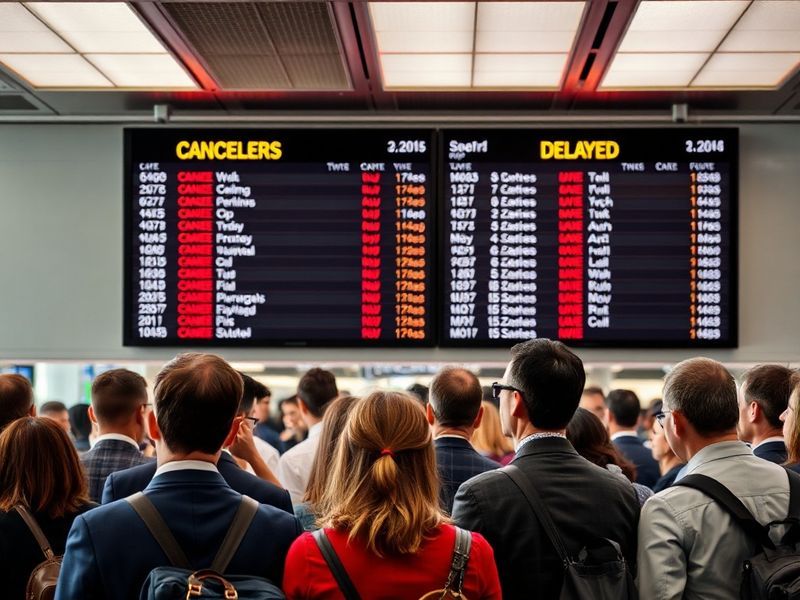
Flight Cancellations and Delays: Causes, Rights, and Solutions
“`html
Flight Cancellation and Delay: What Travelers Need to Know
Flight cancellations and delays have become a persistent frustration for travelers worldwide, disrupting plans and adding unexpected costs. Whether caused by weather, technical issues, or airline decisions, these disruptions can turn a smooth journey into a logistical nightmare. Understanding the reasons behind them, passenger rights, and potential solutions can help travelers navigate this challenging landscape more effectively.
Why Do Flights Get Canceled or Delayed?
Flight disruptions rarely stem from a single cause. Instead, they often result from a combination of factors that airlines and airports struggle to manage. Weather remains one of the most unpredictable yet common triggers. Severe storms, fog, or high winds can force airports to halt operations or airlines to ground flights for safety. Unlike mechanical issues, weather-related delays are beyond an airline’s control, making them particularly difficult to mitigate.
Mechanical problems also play a significant role in flight disruptions. Aircraft require regular maintenance, and even minor issues can lead to delays if not addressed promptly. While airlines prioritize safety, the pressure to maintain tight schedules sometimes leads to overlooked maintenance, increasing the risk of last-minute cancellations. Crew shortages, whether due to illness, scheduling conflicts, or labor disputes, further exacerbate the problem by reducing the number of available pilots and flight attendants.
Air traffic control constraints and airport congestion add another layer of complexity. Busy hubs like Los Angeles International or London Heathrow often face delays simply due to the sheer volume of flights passing through. Even minor inefficiencies in ground operations—such as slow baggage handling or refueling delays—can cascade into significant departures.
- Weather conditions: Thunderstorms, snowstorms, high winds, or dense fog can ground flights for hours or even days.
- Mechanical failures: Unexpected issues with aircraft systems or engines may require immediate repairs.
- Crew shortages: Pilots and flight attendants may call in sick or exceed their duty limits, leaving flights understaffed.
- Air traffic control limitations: Overloaded airspace or temporary restrictions can delay departures and arrivals.
- Security concerns: Unexpected threats or heightened security protocols can lead to temporary ground stops.
Passenger Rights: What You’re Entitled To
When a flight is canceled or delayed, passengers often feel powerless against airline policies. However, regulations in many regions provide protections that travelers can leverage. In the European Union, for example, Regulation (EC) No 261/2004 outlines compensation and assistance for passengers affected by disruptions. Under this law, travelers may be eligible for up to €600 in compensation if the cancellation was within the airline’s control and not due to extraordinary circumstances like weather or strikes.
In the United States, the Department of Transportation (DOT) enforces rules that require airlines to provide meal vouchers, hotel accommodations, and rebooking options for passengers stranded due to controllable delays. While the U.S. lacks a blanket compensation system like the EU’s, airlines are legally bound to assist affected travelers. Passengers should always request written confirmation of any compensation or amenities offered.
For flights within or departing from Canada, the Canadian Transportation Agency (CTA) enforces similar protections. Travelers delayed by three hours or more may receive compensation, depending on the circumstances. It’s crucial to retain boarding passes, receipts, and any communication from the airline to support a claim.
- EU Regulation (EC) No 261/2004: Provides compensation up to €600 for cancellations within airline control, along with meals, refreshments, and accommodation if necessary.
- U.S. DOT Rules: Airlines must offer meal vouchers, hotel stays, and rebooking options for controllable delays, though cash compensation is rare.
- Canadian CTA Guidelines: Passengers delayed by three hours or more may receive compensation, depending on the cause and airline policies.
If an airline denies compensation or assistance, passengers can file complaints with regulatory bodies. In the EU, this means contacting the national enforcement body, while U.S. travelers can submit grievances through the DOT’s online portal. Persistence often pays off, as airlines may settle claims to avoid legal escalation.
How to Minimize the Impact of Delays and Cancellations
While some flight disruptions are unavoidable, travelers can take proactive steps to reduce their impact. Booking flights during off-peak hours or avoiding connections at high-risk airports can lower the likelihood of delays. Opting for direct flights, when possible, eliminates the domino effect of missed connections. Additionally, choosing airlines with strong operational reliability—such as Delta, Southwest, or Lufthansa—can improve the chances of a smooth journey.
Travel insurance serves as another critical safeguard. Policies that cover trip interruptions or delays often reimburse additional expenses like hotels and meals. Some premium credit cards also offer travel protections, including reimbursement for incidental costs incurred due to disruptions. Reviewing policy details before traveling ensures coverage aligns with potential risks.
Staying informed is equally important. Airlines often provide real-time updates via their apps or websites, allowing passengers to track delays and adjust plans accordingly. Signing up for flight alerts and following airport social media accounts can offer early warnings about potential issues. In cases of severe weather, arriving at the airport earlier than usual provides a buffer against unforeseen disruptions.
- Choose off-peak travel times: Early morning or late-night flights are less likely to face congestion-related delays.
- Book with reliable airlines: Airlines with strong operational track records tend to handle disruptions more efficiently.
- Purchase travel insurance: Policies that cover trip interruptions can reimburse additional expenses like hotels and meals.
- Stay updated with alerts: Follow airline and airport communications for real-time information on potential delays.
For those with flexible schedules, rebooking onto an earlier or later flight may be an option. Airlines often waive change fees during widespread disruptions, allowing passengers to adjust their plans without penalty. In extreme cases, such as prolonged strikes or natural disasters, travelers might consider alternative transportation methods, like trains or rental cars, to reach their destination.
Long-Term Solutions for Airlines and Airports
The aviation industry continues to grapple with the systemic challenges that lead to cancellations and delays. Airlines are investing in predictive analytics to anticipate maintenance issues and crew shortages before they escalate. By analyzing historical data and real-time performance metrics, carriers can proactively schedule repairs and adjust staffing levels. However, these efforts require significant technological and financial investments, which not all airlines can afford.
Airports are also exploring infrastructure upgrades to reduce congestion. Expanding runways, implementing advanced air traffic control systems, and optimizing terminal layouts can alleviate bottlenecks. For example, the introduction of remote digital towers at smaller airports allows controllers to manage multiple runways more efficiently. Larger hubs like Atlanta’s Hartsfield-Jackson are investing in automated baggage systems to speed up ground operations.
Passenger education plays a role in reducing disruptions as well. Airlines are increasingly transparent about their policies, providing clearer guidelines on compensation and rebooking options. Travelers armed with knowledge about their rights and available resources are better equipped to handle delays without resorting to confrontations or last-minute panic.
Ultimately, the responsibility for minimizing flight disruptions lies with a combination of industry innovation, regulatory oversight, and informed consumer choices. While perfect solutions remain elusive, ongoing advancements offer hope for a more reliable travel experience in the future.
Key Takeaways for Travelers
Flight cancellations and delays are an unfortunate reality of modern air travel, but understanding their causes and knowing your rights can mitigate their impact. From weather and mechanical issues to crew shortages and air traffic constraints, the reasons for disruptions are varied and often interconnected. By booking strategically, purchasing travel insurance, and staying informed, passengers can navigate these challenges with greater confidence. Meanwhile, airlines and airports must continue investing in technology and infrastructure to build a more resilient system for everyone.
For more insights on managing travel disruptions, explore our guides on Travel and Passenger Rights.