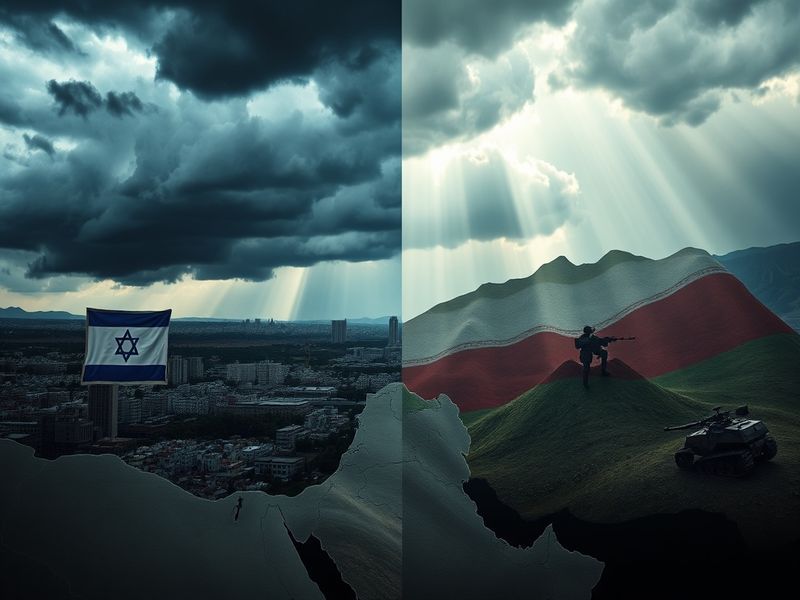
Analyzing the Tensions: The Israel-Iran Conflict
The Tensions Between Israel and Iran
The relationship between Israel and Iran has been fraught with tension for decades. Rooted in historical conflicts, ideological differences, and regional power struggles, the potential for a war between these two nations has significant implications not only for the Middle East but for global politics as well. Understanding the complexities of this rivalry is essential for grasping the broader geopolitical landscape.
Historical Context
The animosity between Israel and Iran can be traced back to the Islamic Revolution in 1979. Prior to this event, Iran had a close alliance with Israel, largely due to shared interests in countering Arab nationalism. However, the revolution transformed Iran into a theocratic state, fundamentally opposing Israel’s existence. Since then, Iran has positioned itself as a staunch supporter of anti-Israel groups like Hezbollah and Hamas.
In the years that followed, several key events further strained relations:
- The Iran-Iraq War (1980-1988), where Israel provided support to Iraq.
- The 1990s and early 2000s, marked by increasing Iranian nuclear ambitions.
- The Arab Spring, which shifted regional dynamics and emboldened Iran’s influence in countries like Syria and Lebanon.
Current Geopolitical Landscape
Today, the situation is more precarious than ever. Israel perceives a nuclear-armed Iran as an existential threat. The Iranian regime has made its intentions clear through rhetoric and regional actions. Meanwhile, Iran views Israel as a primary adversary, often justifying its military actions as defensive measures.
Several factors contribute to the escalating tensions:
- Nuclear Program: Iran’s nuclear ambitions have raised alarms in Israel and among its allies, prompting fears that Tehran may develop nuclear weapons.
- Proxy Wars: Iran’s support for militant groups in Syria, Lebanon, and Yemen poses direct threats to Israeli security.
- International Alliances: The shifting alliances in the region, including the normalization of relations between Israel and several Arab nations, influence Iran’s strategic calculations.
The Global Perspective
The potential for an Israel-Iran conflict extends beyond the Middle East. Global powers, particularly the United States and Russia, have vested interests in the outcome of this rivalry. The U.S. has traditionally supported Israel, viewing it as a key ally in promoting stability in the region. Conversely, Russia has strengthened its ties with Iran, providing military support and economic cooperation.
Additionally, the implications of a war between these nations could reverberate globally, affecting energy markets, international trade routes, and even global security. The Strait of Hormuz, a vital shipping lane for oil, could be significantly impacted if hostilities escalate.
Public opinion around the world varies significantly. In many Western countries, support for Israel is strong, while in parts of the Middle East, Iran’s stance is often viewed favorably. This divergence complicates diplomatic efforts and reflects the deep-seated divisions that exist.
Conclusion
The prospect of war between Israel and Iran remains a critical issue that warrants close attention. As both nations continue to engage in military posturing and rhetoric, the global community watches with concern. Understanding the historical context, current geopolitical dynamics, and the broader implications of this rivalry is essential for anyone looking to grasp the complexities of international relations today.
For more insights on global conflicts and their implications, visit our News section or explore our analysis on Politics.