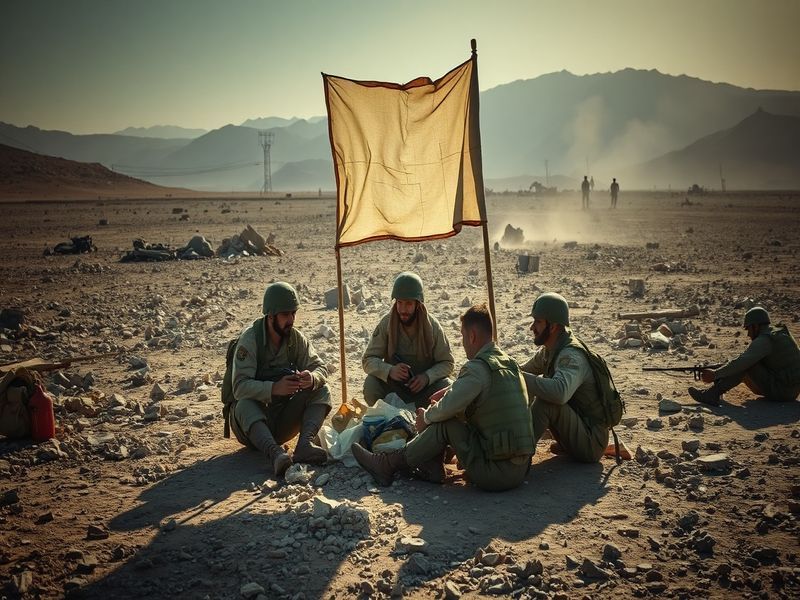
Understanding Ceasefire: Definitions and Context
Ceasefire refers to a temporary stoppage of fighting, typically in the context of armed conflict or warfare. This agreement can be initiated by one or more parties involved in the conflict, with the aim of pausing hostilities to allow for negotiations, humanitarian aid, or to regroup. While ceasefires can be a critical step towards peace, they are often fraught with complexities and challenges.
Historically, ceasefires have been employed in various conflicts around the globe. For example, during the Vietnam War, multiple ceasefire agreements were attempted, reflecting both the desire for peace and the difficulties in achieving lasting resolutions. In contemporary contexts, ceasefires are often negotiated amid ongoing tensions, with varying degrees of success.
Types of Ceasefires
Ceasefires can be categorized into several types, each serving different purposes and arising from unique circumstances. Understanding these distinctions can provide insight into their effectiveness and challenges.
- Humanitarian Ceasefires: These are temporary halts in fighting, typically aimed at allowing for the delivery of aid and assistance to affected populations.
- Negotiated Ceasefires: These involve formal agreements between conflicting parties, often facilitated by third-party mediators, to pause hostilities while peace talks are ongoing.
- Unilateral Ceasefires: In this scenario, one party declares a ceasefire without any agreement from the opposing side, often as a gesture of goodwill.
- Mutual Ceasefires: These are agreements reached by all parties involved to halt fighting, usually as part of a broader peace process.
The Role of International Organizations
International organizations, such as the United Nations, often play a pivotal role in facilitating ceasefire agreements. Their involvement can lend legitimacy to the process and provide a neutral ground for negotiations. For instance, the UN has been crucial in mediating ceasefires in conflicts such as the Syrian civil war and the Israeli-Palestinian conflict.
These organizations can also assist in monitoring ceasefires, ensuring that all parties adhere to the terms laid out in the agreements. However, the effectiveness of these efforts can vary. In some cases, the lack of enforcement mechanisms can lead to violations, undermining the ceasefire’s intended purpose.
Challenges and Implications of Ceasefires
While ceasefires are often seen as positive steps towards peace, they can also present significant challenges. One major concern is the potential for a ceasefire to provide a strategic advantage to one side. This can occur when a party uses the pause in fighting to regroup, rearm, or reinforce their positions. Such tactics can lead to renewed hostilities once the ceasefire ends.
Moreover, the lack of trust between conflicting parties can hinder the success of ceasefires. Historical grievances and ongoing tensions can create skepticism about the sincerity of intentions. In many instances, ceasefires may only be temporary reprieves, rather than genuine steps toward a lasting resolution.
In evaluating the implications of a ceasefire, it is essential to consider the broader context of the conflict. A ceasefire may lead to:
- Increased humanitarian access, allowing aid to reach those in need.
- Opportunities for dialogue and negotiation, potentially paving the way for a more comprehensive peace agreement.
- Heightened tensions if one party feels disadvantaged by the pause in hostilities.
Conclusion
Ceasefires remain a critical component of conflict resolution, offering a temporary respite in hostilities and creating opportunities for dialogue. However, their success often hinges on the willingness of conflicting parties to engage in genuine negotiations and the ability of international organizations to facilitate and monitor agreements effectively.
As the landscape of global conflicts continues to evolve, understanding the complexities of ceasefires will be essential for those seeking to promote peace and stability. For more insights into current events and analysis on international relations, visit our News and Analysis sections.