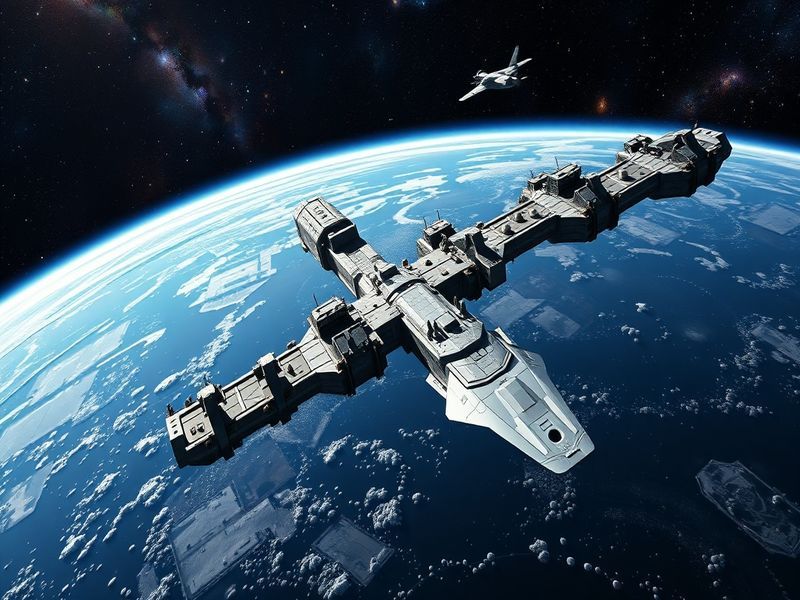
Exploring the Cosmos: The Past, Present, and Future of Space Exploration
The Journey Beyond Earth: An Overview of Space Exploration
Space exploration has always fascinated humanity. From the early observations of celestial bodies to modern missions that venture into the depths of the solar system, our desire to understand the universe is relentless. This pursuit is not merely about scientific discovery; it also encompasses technological advancement, international cooperation, and the quest for resources beyond our planet.
Historical Milestones in Space Exploration
The history of space exploration is marked by significant milestones that have shaped our understanding of the cosmos. Key events include:
- Launch of Sputnik 1 (1957): The first artificial satellite, marking the beginning of the space age.
- Moon Landing (1969): Apollo 11 successfully landed humans on the Moon, symbolizing a monumental achievement in space exploration.
- Voyager Missions (1977): These spacecraft provided invaluable data about the outer planets and are now in interstellar space.
- International Space Station (1998): A collaborative effort among multiple countries, serving as a hub for scientific research.
- Mars Rovers (2004-present): Rovers like Spirit, Opportunity, and Curiosity have explored the Martian surface, revealing evidence of past water activity.
Current Endeavors and Future Missions
As we look to the future, several ambitious missions are on the horizon. Agencies like NASA, ESA, and private companies such as SpaceX are leading the charge. The Artemis program aims to return humans to the Moon by the mid-2020s, paving the way for eventual Mars exploration. Meanwhile, SpaceX’s Starship is designed to facilitate crewed missions to Mars, aiming for the first landing in the 2030s.
These missions promise to expand our knowledge and capabilities. They also raise important questions about sustainability and the ethical implications of colonizing other planets. The potential for mining asteroids and utilizing lunar resources could alleviate some of Earth’s resource pressures, but this must be balanced with environmental concerns.
Broader Implications of Space Exploration
The implications of space exploration extend far beyond scientific discovery. Here are some key aspects to consider:
- Technological Innovation: Many technologies developed for space exploration have found applications on Earth, from advancements in telecommunications to medical technologies.
- International Collaboration: Space exploration often requires global cooperation. The ISS is a prime example of how countries can unite for a common goal.
- Inspiration and Education: Space missions inspire new generations of scientists and engineers, fostering interest in STEM fields.
- Philosophical Perspectives: Exploring other worlds prompts reflection on our place in the universe and the responsibilities we have toward our own planet.
Conclusion: The Path Ahead
Space exploration is a testament to human ingenuity and curiosity. As we embark on new missions, the lessons learned from past endeavors will guide our path. The quest for knowledge and understanding continues to drive us, illuminating the vast possibilities that lie beyond our atmosphere. While challenges remain, the potential benefits—both for humanity and our planet—are immense. The future of space exploration is bright, and it beckons us to reach for the stars.