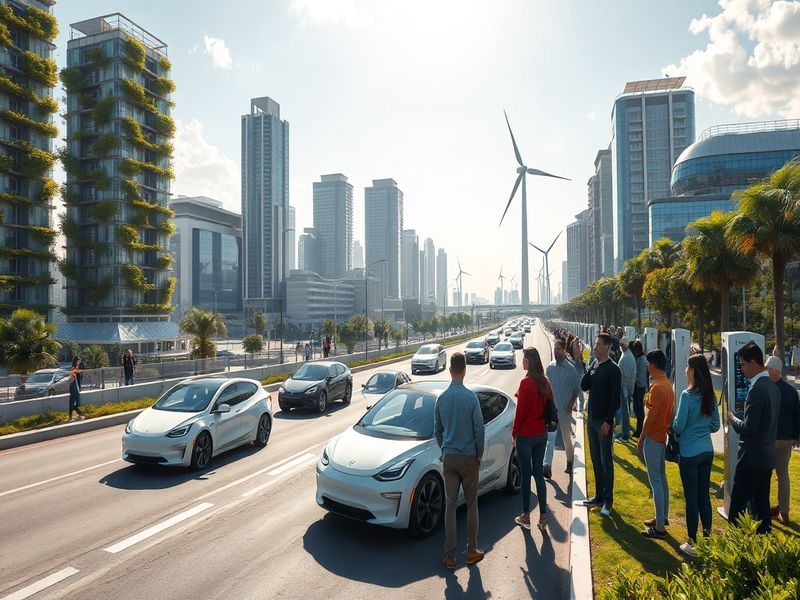
Exploring the Future of Electric Vehicles: Benefits and Challenges
Understanding Electric Vehicles
Electric vehicles (EVs) have emerged as a significant alternative to traditional gasoline-powered cars. With advancements in technology and increasing environmental awareness, these vehicles are gaining traction among consumers and manufacturers alike. This article explores the evolution of electric vehicles, their benefits, challenges, and the future of this transportation revolution.
The Evolution of Electric Vehicles
The concept of electric vehicles is not new. In fact, the first electric car was built in the 1830s. However, it wasn’t until the late 20th century that EVs began to gain serious attention. The oil crises of the 1970s and growing concerns about air pollution prompted a renewed interest in alternative fuel sources.
Fast forward to today, and the market for electric vehicles has exploded. Major automotive manufacturers are investing heavily in electric technology, and new startups are entering the space. This shift is driven by several factors:
- Environmental concerns: Reducing carbon emissions is a priority for many countries.
- Government incentives: Tax credits and rebates encourage consumers to purchase EVs.
- Technological advancements: Improvements in battery technology have made EVs more efficient and affordable.
Benefits of Electric Vehicles
Electric vehicles offer numerous advantages over their gasoline counterparts. These benefits extend beyond just the vehicle itself, impacting the environment and economy.
Some of the key benefits include:
- Reduced emissions: EVs produce zero tailpipe emissions, significantly lowering air pollution.
- Lower operating costs: Electricity is generally cheaper than gasoline, and EVs require less maintenance.
- Incentives and rebates: Many governments offer financial incentives to promote EV adoption.
- Enhanced performance: Electric motors provide instant torque, resulting in quick acceleration and a smooth driving experience.
As more consumers become aware of these benefits, the demand for electric vehicles continues to rise. This shift is crucial for creating a sustainable future.
Challenges Facing Electric Vehicles
Despite their many advantages, electric vehicles face several challenges that could hinder widespread adoption. Addressing these issues is vital for manufacturers and policymakers alike.
Some of the primary challenges include:
- Charging infrastructure: A lack of charging stations can deter potential buyers.
- Battery range: Although improving, some consumers remain concerned about range anxiety.
- Initial costs: The upfront price of EVs can be higher than traditional vehicles, although this is changing.
Manufacturers are actively working to overcome these hurdles. Investments in charging networks and advancements in battery technology are crucial steps toward making EVs more accessible to the general public.
The Future of Electric Vehicles
The future of electric vehicles looks promising. With ongoing technological advancements and increasing consumer acceptance, EVs are poised to play a significant role in the automotive industry. Major automakers are pledging to transition their lineups to electric or hybrid models in the coming years.
Looking ahead, several trends are likely to shape the evolution of electric vehicles:
- Autonomous driving technology: Integrating self-driving capabilities with electric vehicles could enhance safety and convenience.
- Battery recycling: As EV adoption grows, recycling old batteries will become increasingly important for sustainability.
- Smart grid integration: EVs can act as energy storage units, helping to balance energy demand and supply.
The transition to electric vehicles is not just a trend; it represents a fundamental shift in how we think about transportation. As technology continues to evolve, electric vehicles will likely become more integrated into our daily lives.
In conclusion, electric vehicles are at the forefront of a transformative movement in the automotive industry. With numerous benefits, ongoing challenges, and a bright future ahead, they represent a significant step toward a more sustainable and efficient transportation system. As consumers, manufacturers, and governments work together, the potential for electric vehicles is vast, paving the way for cleaner air and a healthier planet.