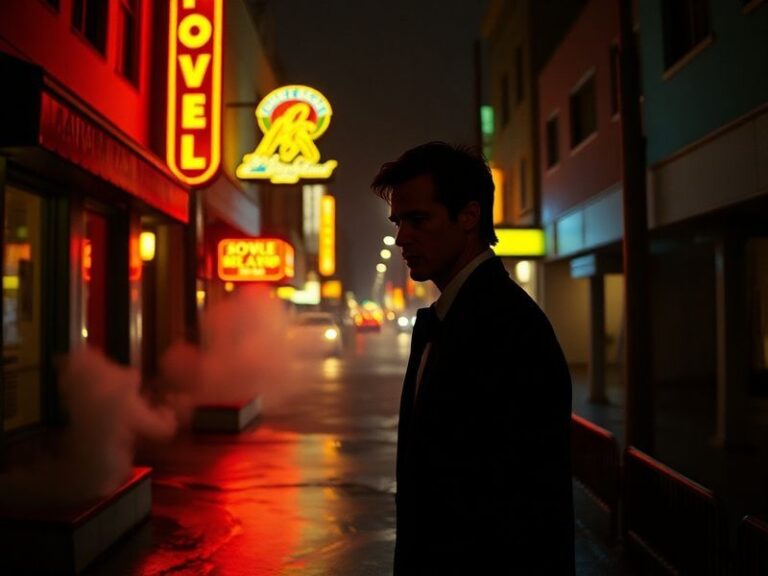
Exploring The Punisher: One Last Kill – Themes and Context
The Punisher: One Last Kill – A Closer Look
The iconic character known as The Punisher has long been a staple in the realm of comic books and television. With his relentless pursuit of justice and a moral code that often blurs the lines between right and wrong, Frank Castle has captivated audiences worldwide. The latest storyline, “The Punisher: One Last Kill,” takes this complex character to new heights, exploring themes of vengeance, loss, and redemption.
A Narrative of Revenge and Redemption
In “One Last Kill,” Frank Castle finds himself at a crossroads. The story delves into his psyche, highlighting the emotional turmoil that accompanies his quest for vengeance. This narrative is not merely a continuation of his violent exploits; it offers a profound look into the motivations that drive him. As Castle confronts his past and the consequences of his actions, readers are invited to reflect on the nature of justice.
- Frank Castle’s troubled childhood and military background
- The impact of loss on his character development
- The moral ambiguity of his methods
- Societal perceptions of vigilante justice
These elements create a rich tapestry that allows audiences to connect with Castle on a deeper level. The exploration of his past not only humanizes him but also raises critical questions about the effectiveness of violence as a means of achieving justice.
Cultural Context and Global Perspective
The Punisher’s journey is set against a backdrop that resonates with current global issues. Vigilantism is often viewed through a lens of desperation, especially in societies where legal systems may fail to protect the innocent. This storyline highlights the dark corners of justice systems worldwide, where individuals may feel compelled to take matters into their own hands.
In many cultures, the concept of a lone hero fighting against corruption and crime is celebrated. However, “One Last Kill” challenges the glorification of such figures. Instead of presenting Castle as an unblemished hero, the narrative shows the consequences of his violent actions. This approach encourages readers to consider the ethical implications of vigilante justice.
The Legacy of The Punisher
The Punisher has evolved significantly since his first appearance in the 1970s. Initially introduced as an antagonist to Spider-Man, he has since become a complex anti-hero. The character’s evolution reflects changing societal attitudes towards justice and morality. Today, he stands as a symbol of the struggle between order and chaos.
As “One Last Kill” unfolds, it becomes evident that Frank Castle’s journey is not just about personal vendettas. It serves as a commentary on broader societal issues, including crime, punishment, and the human condition. The story resonates with audiences who grapple with their own perceptions of justice in an increasingly complex world.
- Examine the psychological depth of Frank Castle.
- Analyze the implications of vigilantism in modern society.
- Discuss how “One Last Kill” reflects current global themes.
Conclusion: A Final Reflection
“The Punisher: One Last Kill” is more than just a tale of violence; it is a profound exploration of the human psyche and the moral dilemmas we face. As Frank Castle confronts his demons, readers are prompted to reflect on their own views of justice and retribution. The storyline’s depth and complexity ensure that it will resonate with audiences for years to come.
As we navigate the intricacies of morality and justice, The Punisher serves as a stark reminder of the consequences of our actions. His story is one of tragedy, loss, and the relentless pursuit of a justice that may never be fully attained.
For more insights into the world of comics and their impact on culture, check out our Culture section.