Arsenal vs West Ham: Why the London Derby Matters Beyond Football
Arsenal vs West Ham: How London Derby Became a Global Football Talking Point
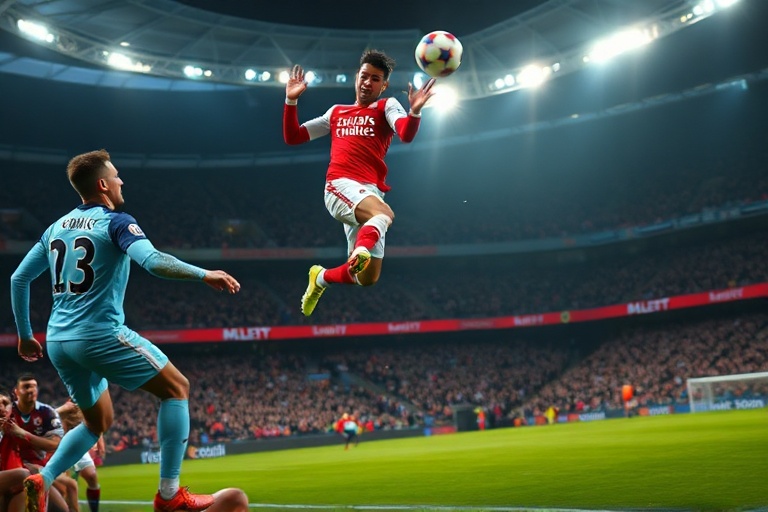
Football matches between London clubs often transcend sport, evolving into cultural events that reflect urban identity, rivalry, and ambition. The recent Arsenal vs West Ham clash at the Emirates Stadium was no exception. While the result mattered on the pitch, the broader significance of this fixture now stretches beyond English football, capturing attention from Madrid to Mumbai. The game’s narrative—shaped by tactical shifts, individual brilliance, and off-field narratives—mirrors the growing global appeal of the Premier League as a stage for both established stars and rising talent.
Arsenal’s 3-1 victory over West Ham was more than a three-point swing in the title race. It underscored the Gunners’ resurgence under Mikel Arteta and highlighted how the Hammers, despite their struggles, remain a resilient force in English football. But the real story lies in how this fixture has become a microcosm of modern football culture: fast-paced, data-informed, and deeply connected to fan communities worldwide. As clubs increasingly rely on international fanbases for revenue and influence, matches like this one serve as global cultural exports—broadcast to millions, dissected by analysts in Buenos Aires and Bangkok, and celebrated in pubs from Lagos to Los Angeles.
The Tactical Battle: Arteta’s Evolution vs Moyes’ Grit
The match was a tactical chess match played at breakneck speed. Arsenal entered with their characteristic high press and positional fluidity, while West Ham set up in a compact 5-4-1, looking to absorb pressure and hit on the counter. The contrasting approaches reflected broader trends in modern football: Arsenal’s possession-based, progressive style versus West Ham’s pragmatic, transitional model. This clash of philosophies is increasingly common in the Premier League, where clubs balance ambition with fiscal reality.
Arteta’s team has become known for its structured build-up and quick transitions. In this game, their midfield trio of Declan Rice, Martin Ødegaard, and Kai Havertz controlled the tempo with surgical precision. Rice, in particular, showcased his ability to dictate play from deep, a trait that has drawn comparisons to midfield maestros of the past decade. Meanwhile, West Ham’s defense—anchored by veteran Kurt Zouma—held firm in the first half, frustrating Arsenal’s attackers. But as fatigue set in, the Gunners exploited the space behind the Hammers’ full-backs, a recurring issue for David Moyes’ side this season.
What made this tactical duel so compelling was its unpredictability. Neither team fully imposed their style. Arsenal’s dominance waxed and waned, while West Ham threatened at every set piece. The game’s turning point came in the 58th minute, when a defensive error led to a swift counterattack that finished with Leandro Trossard slotting home. From that moment, the narrative shifted irrevocably—Arsenal’s confidence surged, and West Ham’s structure began to fray.
Cultural Currency: How London Derbies Travel the World
London football derbies have long been cultural markers, but their global reach has expanded dramatically in the social media era. A match like Arsenal vs West Ham is no longer confined to the Emirates Stadium or even Sky Sports’ broadcast footprint. It lives online through viral clips, fan reactions, and tactical breakdowns shared across platforms like Twitter/X, TikTok, and YouTube. The immediate, shareable nature of these moments has turned local fixtures into global content—fueling engagement and reinforcing the Premier League’s status as the world’s most watched league.
This cultural export is not accidental. The Premier League has systematically cultivated an international audience through strategic broadcasting deals, localized content, and active social media presence. Clubs like Arsenal and West Ham, with their global fanbases, benefit from this ecosystem. The Emirates’ 60,000-seat capacity pales in comparison to the virtual stadium of supporters watching from Lagos or Jakarta. For many, following Arsenal or West Ham is as much about identity as it is about football—it’s a way to connect with a diaspora, a city, or even a lifestyle.
The London derby, in particular, carries symbolic weight. It represents the diversity of the city itself—Arsenal in North London, historically linked to the working class and Irish immigrants, while West Ham’s roots lie in East London’s docklands, shaped by migration and industrial decline. These historical narratives add layers to the rivalry, making it resonate far beyond the pitch. For diaspora communities, supporting a London club can be a way to maintain ties to heritage while embracing a new home.
Fan Culture and the Digital Stadium
Attendance figures tell only part of the story. The atmosphere inside the Emirates was electric, but the real energy came from fans around the world. Social media platforms buzzed with reactions, memes, and debates. Arsenal’s “Gooners” and West Ham’s “Hammers” communities engaged in playful banter, using humor and nostalgia to amplify the spectacle. This digital fan culture has transformed how we experience football—turning a 90-minute match into a 24-hour conversation.
Clubs have responded by investing in digital engagement. Arsenal’s official channels curate fan content, while West Ham’s “West Ham United Foundation” leverages community stories to strengthen local and global connections. The Premier League, too, has embraced this shift, launching multilingual content and interactive features that make the game accessible to non-English speakers. In India, for example, the league’s partnership with Star Sports has turned Premier League fixtures into primetime events, with derbies like Arsenal vs West Ham drawing audiences comparable to domestic cricket matches.
Yet, this digital expansion comes with challenges. The commodification of fan passion risks diluting authenticity. When every cheer is monetized and every chant is curated, the raw emotion of matchday can feel manufactured. Clubs must balance commercial interests with genuine fan connection—a tension visible in the way Arsenal and West Ham navigate their global ambitions while maintaining local roots.
What’s Next for Both Clubs
The result of this match may have ripple effects beyond the immediate title race. For Arsenal, it reinforces their status as genuine title contenders, though consistency remains the biggest hurdle. The Gunners have shown flashes of brilliance but also lapses in concentration that have cost them points. Their next challenge comes against a resurgent Manchester United, a fixture that could further define their season.
For West Ham, the loss was another setback in a campaign marked by inconsistency. Despite boasting talented individuals like Jarrod Bowen and Tomáš Souček, the Hammers have struggled to string together performances. Their challenge now is to regroup and avoid getting dragged into a relegation battle, a scenario that would contradict their status as a club with European ambitions just a few seasons ago.
The Premier League season is far from over, and this derby was only one chapter in a much larger story. But it was a chapter that highlighted the league’s global appeal, the tactical evolution of its teams, and the enduring power of local rivalries in a digital world.
As football continues to globalize, matches like Arsenal vs West Ham remind us that the beautiful game is more than just sport—it’s a cultural bridge, a storytelling medium, and a shared experience that connects millions across continents. Whether you’re a Gooner in Tokyo, a Hammer in Toronto, or a neutral in Nairobi, the drama on the pitch transcends borders. And that’s why the London derby will always matter.
Key Takeaways from Arsenal vs West Ham
- Tactical Evolution: Arsenal’s structured possession play contrasted with West Ham’s pragmatic setup, reflecting broader Premier League trends.
- Global Reach: The match was broadcast to millions worldwide, with social media amplifying its cultural impact beyond English football.
- Fan Engagement: Digital platforms turned the game into a 24-hour conversation, blending local passion with global connectivity.
- Season Implications: Arsenal strengthened their title challenge, while West Ham faced another setback in their inconsistent campaign.
For more on the tactical trends shaping modern football, explore our Sports section, where we break down formations, player roles, and league-wide shifts. To dive deeper into the cultural impact of football, visit our Culture page, where we examine how the sport intersects with identity, migration, and global media.