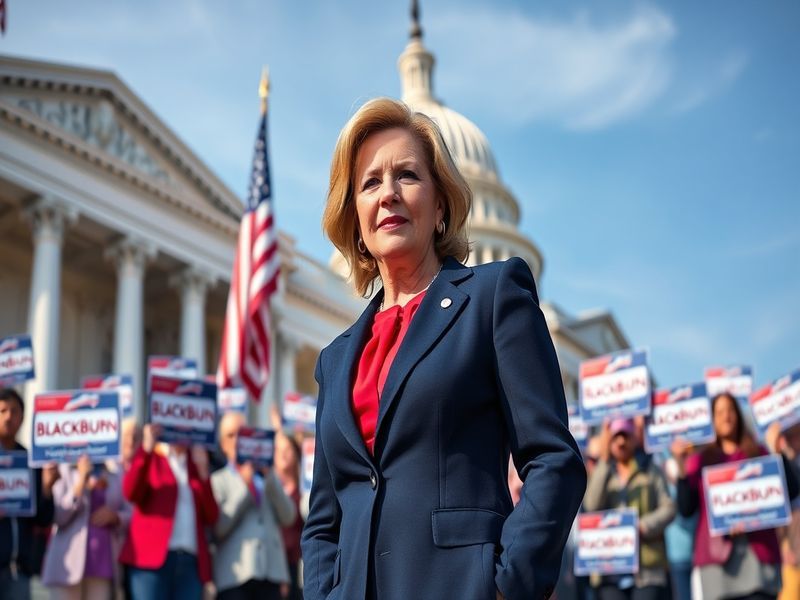
Marsha Blackburn: A Closer Look at Her Political Journey and Impact
Understanding Marsha Blackburn: A Political Force
Marsha Blackburn, a prominent figure in American politics, has made significant strides since her election to the U.S. Senate in 2018. As a member of the Republican Party, she has carved out a niche for herself through her staunch advocacy for conservative values and her focus on key issues such as healthcare, technology, and women’s rights. This article explores her political journey, key initiatives, and the broader implications of her work.
Early Life and Political Career
Born on June 6, 1952, in Laurel, Mississippi, Blackburn’s early life was marked by a commitment to public service. She graduated from Mississippi State University with a degree in education and began her career in business and politics. Her initial foray into politics came when she was elected to the Tennessee House of Representatives in 1998.
During her time in the state legislature, Blackburn quickly gained recognition for her conservative stance on various issues. She served on multiple committees, focusing on economic development and healthcare policy. Her experience in the Tennessee House set the stage for her future endeavors, including her election to Congress in 2003.
Key Legislative Initiatives
As a U.S. Senator, Blackburn has championed several key initiatives that reflect her conservative values and her dedication to her constituents. Some of her notable legislative efforts include:
- Healthcare Reform: Blackburn has consistently pushed for reforms aimed at reducing healthcare costs while expanding access to care. She advocates for market-based solutions rather than government-run programs.
- Technology and Innovation: A strong proponent of technological advancement, Blackburn has focused on issues surrounding data privacy and cybersecurity. She believes in fostering an environment where innovation can thrive without excessive government regulation.
- Women’s Rights: Blackburn has positioned herself as a defender of women’s rights, particularly in the context of healthcare decisions and reproductive issues. She emphasizes the importance of empowering women to make their own choices.
- Economic Growth: Her legislative agenda often includes measures aimed at stimulating economic growth, reducing taxes, and encouraging job creation in Tennessee and beyond.
The Broader Implications of Blackburn’s Policies
Marsha Blackburn’s approach to governance and her legislative priorities reflect broader trends within the Republican Party. Her focus on reducing government intervention and promoting individual liberties aligns with the party’s traditional values. However, her positions also highlight the ongoing tensions within American politics regarding healthcare, technology, and social issues.
For instance, her stance on healthcare reform emphasizes market solutions, which contrasts sharply with the Democratic Party’s push for more government involvement. This division is evident in contemporary political discourse, where both parties frequently clash over the best approach to healthcare and economic policy.
Moreover, Blackburn’s emphasis on technology and data privacy resonates with a growing concern among Americans about online security and personal data protection. As technology continues to evolve, lawmakers are faced with the challenge of creating regulations that protect consumers without stifling innovation. Blackburn’s efforts in this area may serve as a blueprint for future legislation, balancing the needs of both industries and individuals.
Conclusion
Marsha Blackburn stands as a significant figure in contemporary American politics. Her legislative efforts reflect a commitment to conservative values and a desire to address pressing issues facing her constituents and the nation. As she continues to navigate the complexities of governance, her work will undoubtedly shape the political landscape for years to come.
For more insights on political trends and analysis, visit our Politics category, or explore our Analysis section for in-depth discussions on current events.