Iran’s War Missiles: Capabilities and Strategic Implications
Overview of Iran’s Missile Capabilities
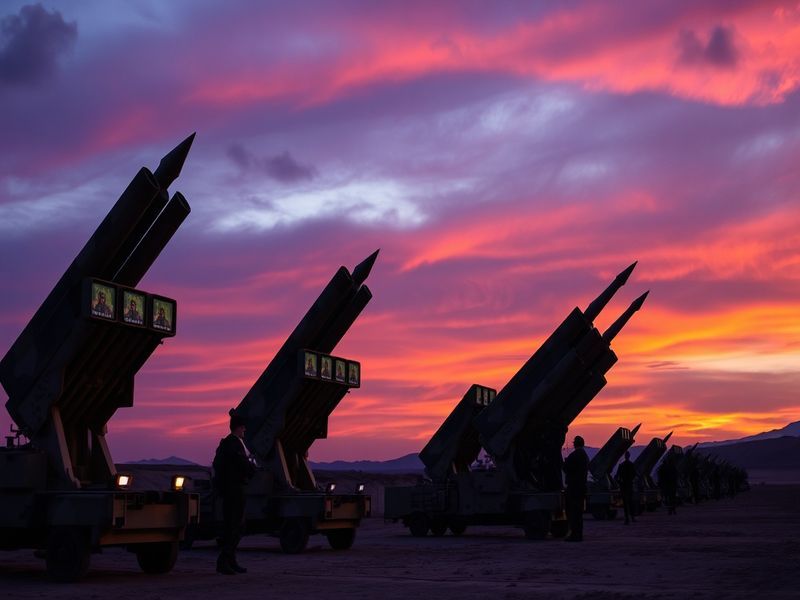
Iran has developed a formidable arsenal of missiles, which play a crucial role in its military strategy and geopolitical posture. The country’s missile program has evolved significantly over the past few decades, reflecting its ambitions and regional security concerns. Iran’s missile capabilities are not only a deterrent against potential threats but also a means of projecting power within the Middle East.
Iran’s missile inventory includes various types of ballistic and cruise missiles. The development of these systems has been accelerated by both domestic initiatives and external assistance, notably from countries like North Korea and Russia. The range and accuracy of these missiles have improved, allowing Iran to target adversaries across the region effectively.
Types of Missiles
Iran’s missile capabilities can be categorized into several types, each serving distinct purposes:
- Ballistic Missiles: These are designed for long-range attacks and can carry conventional or nuclear warheads. Examples include the Shahab-3 and the Sejjil missiles.
- Cruise Missiles: Iran has invested in cruise missiles that can evade radar detection and strike targets with precision. The Quds-1 is a notable example.
- Short-Range Missiles: Systems like the Fateh-110 provide Iran with the capability to engage targets within a 300 km range, useful for regional conflicts.
- Anti-Ship Missiles: The Khalij Fars missile is designed to target naval vessels, which enhances Iran’s deterrent capabilities in the Persian Gulf.
Strategic Implications
The development of Iran’s missile program has significant implications for regional security dynamics. Iran’s missile capabilities serve as a deterrent against both state and non-state actors, allowing it to maintain influence over its immediate neighbors. This has led to a heightened sense of insecurity among countries like Saudi Arabia and Israel, prompting them to bolster their own military capabilities.
Moreover, Iran’s missile technology has been a focal point in international negotiations. The Joint Comprehensive Plan of Action (JCPOA) initially focused on Iran’s nuclear program but did not comprehensively address its missile development. This omission has led to ongoing tensions between Iran and Western powers, particularly the United States, which views these missiles as a direct threat to its interests and allies in the region.
Recent Developments and Future Prospects
In recent years, Iran has conducted several missile tests, showcasing its advancements in missile technology. These tests are often framed as defensive measures but are perceived as provocative by neighboring countries and the West. The potential for Iran to develop intercontinental ballistic missiles (ICBMs) raises alarms regarding its long-term strategic intentions.
Looking ahead, the future of Iran’s missile program will likely be influenced by several factors:
- International Relations: Changes in diplomatic ties, particularly with major powers, will impact Iran’s access to technology and funding.
- Regional Conflicts: Ongoing tensions in the Middle East will drive Iran to continue enhancing its military capabilities.
- Domestic Politics: The internal political landscape in Iran may affect the prioritization of military spending versus social programs.
As Iran continues to develop its missile capabilities, the regional security environment will remain complex and volatile. The interplay of military power, diplomacy, and regional alliances will shape the future of Iran’s missile strategy and its implications for global security.
Conclusion
The evolution of Iran’s missile capabilities reflects its strategic priorities and geopolitical ambitions. As tensions in the Middle East persist, Iran’s missile program will remain a focal point for both regional and international security discussions. Understanding the nuances of Iran’s military advancements is essential for assessing the broader implications for stability in the region.
For more insights into military developments and geopolitical analysis, visit our Analysis and News sections.