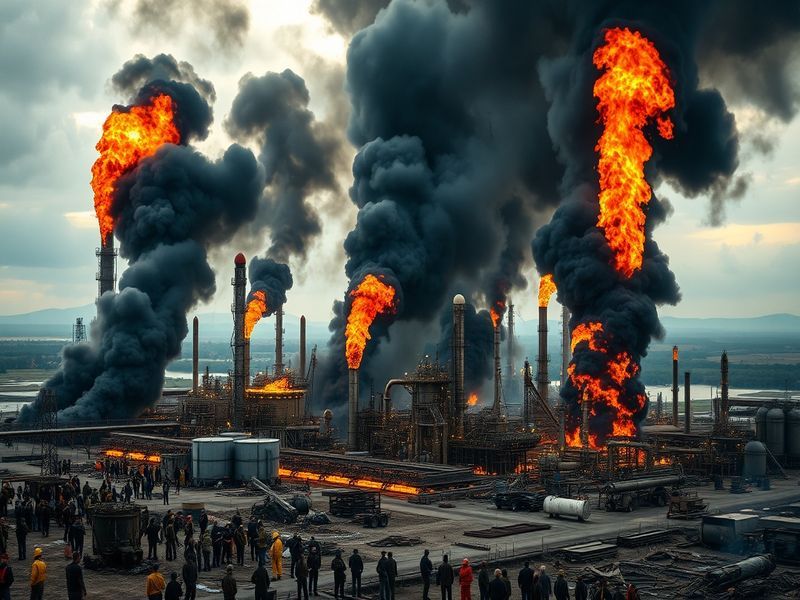
Understanding Oil Refinery Fires
Oil refinery fires are catastrophic events that can have far-reaching implications for both local communities and the global economy. These incidents often result in significant environmental damage, loss of life, and disruption of fuel supplies. As the world continues to rely heavily on oil and gas, understanding the causes and consequences of refinery fires becomes increasingly important.
Causes of Oil Refinery Fires
Several factors contribute to the occurrence of fires in oil refineries. These can range from technical malfunctions to human error. Here are some common causes:
- Equipment Failure: Aging infrastructure and faulty equipment can lead to leaks and explosions.
- Human Error: Mistakes made by operators during maintenance or production can trigger dangerous situations.
- Natural Disasters: Events such as earthquakes or hurricanes can damage facilities and lead to fires.
- Process Safety Management Failures: Inadequate safety protocols can exacerbate risks.
Each incident is unique, but these factors are frequently cited in investigations following fires. Understanding these causes can help refineries implement better safety measures.
Impact on Communities and Environment
The aftermath of an oil refinery fire can be devastating. Communities near the facility often bear the brunt of the consequences. The immediate effects may include:
- Health Risks: Exposure to toxic fumes can lead to respiratory issues and other health problems.
- Evacuations: Residents may be forced to leave their homes, sometimes for extended periods.
- Economic Disruption: Local businesses can suffer from decreased foot traffic and loss of income.
Long-term environmental damage is another significant concern. Fires can contaminate soil and water sources, affecting wildlife and agriculture. Restoration efforts can take years, with costs running into millions.
Global Perspective on Refinery Fires
Oil refinery fires are not confined to one region or country. They occur worldwide, highlighting a shared vulnerability in the oil industry. For instance, major fires have been reported in the United States, Europe, and Asia, each with varying regulatory responses.
In the United States, the Occupational Safety and Health Administration (OSHA) mandates strict safety protocols to minimize risks. Conversely, developing nations may lack the resources to enforce similar regulations, resulting in higher rates of accidents. This disparity raises important questions about global oil safety standards.
Additionally, cultural attitudes towards environmental protection vary significantly. In some countries, there is a greater emphasis on sustainability and safety, while others prioritize economic growth over environmental concerns. This divide influences how refinery fires are addressed and mitigated.
Future of Oil Refinery Safety
As the global demand for oil continues, so does the need for improved safety measures in refineries. Technological advancements play a crucial role in enhancing safety protocols. Innovations such as real-time monitoring systems and automated safety controls can help prevent accidents before they occur. Furthermore, adopting a culture of safety that emphasizes training and accountability is essential.
Regulatory bodies must also evolve to keep pace with industry changes. Stricter regulations and comprehensive safety audits can help identify vulnerabilities. Collaboration between governments, oil companies, and local communities can lead to better preparedness and response strategies.
Ultimately, the future of oil refinery safety hinges on a collective commitment to prioritizing human lives and the environment alongside economic interests.
For more insights into the oil and gas sector, check out our News and Business sections on Dave’s Locker.