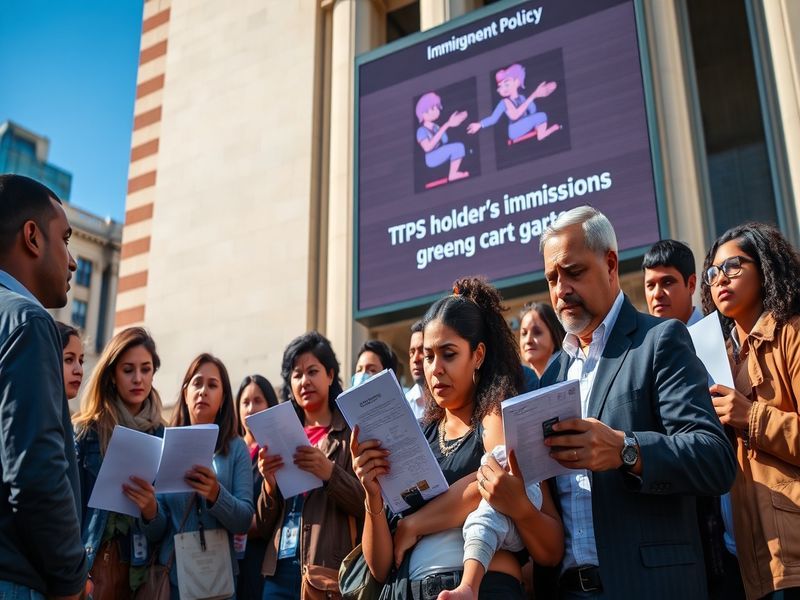
The transition from Temporary Protected Status (TPS) to lawful permanent residency (green card) has long been a complex journey for immigrants in the United States. Recent policy shifts and legal challenges have further complicated this process, leaving many TPS holders in a state of uncertainty. As the political and legal landscape evolves, understanding the current pathways—and the obstacles—becomes critical for those seeking stability in their adopted country.
The Current State of TPS and Green Card Eligibility
TPS is a designation granted by the U.S. government to nationals of certain countries facing armed conflict, environmental disasters, or other extraordinary conditions. While TPS provides temporary protection from deportation and work authorization, it does not directly lead to a green card. However, some TPS holders may qualify for permanent residency through alternative routes, such as family sponsorship or employment-based visas.
One of the most common pathways is through Section 18 of the Immigration and Nationality Act, which allows TPS holders to adjust their status if they meet certain criteria, including continuous physical presence in the U.S. and admissibility under immigration laws. However, recent changes in policy have made this pathway less accessible for many.
The Trump administration sought to terminate TPS designations for several countries, arguing that conditions had improved enough to warrant an end to protections. While some of these terminations were blocked by courts, the uncertainty has left many TPS holders in limbo. The Biden administration has extended protections for most TPS-designated countries but has not provided a clear path to permanent residency for holders.
Key Challenges in the TPS to Green Card Transition
- Changing Eligibility Criteria: Recent policy changes have tightened the criteria for adjusting status, making it harder for TPS holders to qualify for green cards. For example, some TPS holders who initially entered the U.S. without inspection may no longer be eligible for adjustment of status.
- Legal Barriers: Even if a TPS holder qualifies for a green card, they may face legal challenges such as inadmissibility due to prior immigration violations or criminal history. Waivers are available in some cases, but the process is complex and often requires legal assistance.
- Administrative Delays: The U.S. Citizenship and Immigration Services (USCIS) has faced significant backlogs, leading to prolonged processing times for green card applications. This delay can be particularly burdensome for TPS holders whose protections are tied to temporary statuses.
- Political Uncertainty: The future of TPS remains uncertain due to shifting political priorities. Changes in administration can lead to abrupt shifts in policy, leaving TPS holders unsure about their long-term prospects in the U.S.
Alternative Pathways to Permanent Residency
For TPS holders who do not qualify for adjustment of status, other pathways to a green card may exist. These routes often require additional steps and may involve different eligibility criteria.
One option is family sponsorship. If a TPS holder has a close family member who is a U.S. citizen or lawful permanent resident, they may be eligible for a family-based green card. However, this process can take years due to visa backlogs, particularly for applicants from countries with high demand.
Employment-based green cards are another potential route. TPS holders with specialized skills or job offers may qualify for an EB-2 or EB-3 visa, which can later lead to permanent residency. However, the process requires employer sponsorship and often involves a labor certification process, adding complexity and time to the application.
For some TPS holders, asylum or other forms of humanitarian relief may provide a pathway to permanent residency. However, these options are highly case-specific and require meeting strict eligibility criteria.
Broader Implications for TPS Holders and U.S. Immigration Policy
The challenges faced by TPS holders highlight broader issues within the U.S. immigration system. The lack of a clear pathway to permanent residency for TPS holders reflects a larger problem: the U.S. immigration system often fails to provide stability for those who have built lives in the country while waiting for legal status.
TPS holders are often long-term residents who have contributed to their communities through work, taxes, and social integration. Many have U.S.-born children who would face family separation if their parents were deported. The uncertainty surrounding TPS not only affects individuals but also has ripple effects on families, employers, and local economies.
From an economic perspective, TPS holders fill critical roles in industries such as healthcare, construction, and agriculture. Disrupting their status could lead to labor shortages and economic instability in sectors that rely on their contributions. Policymakers must consider these broader implications when evaluating the future of TPS and pathways to permanent residency.
What’s Next for TPS Holders Seeking Green Cards?
For TPS holders hoping to secure a green card, staying informed and seeking legal counsel are essential steps. The immigration landscape is constantly evolving, and policy changes can open or close doors to permanent residency.
One potential development is legislative action. Several bills have been introduced in Congress to provide a pathway to permanent residency for TPS holders, such as the American Dream and Promise Act. While these bills face political hurdles, they represent a glimmer of hope for those seeking stability.
In the meantime, TPS holders should explore all available options, including family sponsorship, employment-based visas, and humanitarian relief. Consulting with an immigration attorney or accredited representative can help navigate the complexities of the system and identify the best strategy for individual circumstances.
Community organizations and advocacy groups also play a vital role in supporting TPS holders. These groups provide resources, legal assistance, and advocacy to ensure that the voices of TPS holders are heard in policy discussions.
Resources and Support for TPS Holders
Navigating the path to a green card can be daunting, but resources are available to help TPS holders understand their options and take action.
- Legal Assistance: Organizations like the American Immigration Lawyers Association (AILA) and Catholic Legal Immigration Network, Inc. (CLINIC) offer directories of immigration attorneys and accredited representatives who can provide guidance.
- Community Organizations: Groups such as the National TPS Alliance and local immigrant rights organizations offer support, advocacy, and educational resources for TPS holders.
- Government Resources: USCIS provides official information on eligibility criteria, application processes, and updates on policy changes. TPS holders should regularly check the USCIS website for the latest information.
- Advocacy Efforts: Joining advocacy campaigns can amplify the voices of TPS holders and push for legislative solutions. Organizations like the National Immigration Law Center (NILC) lead efforts to protect TPS and expand pathways to permanent residency.
For those interested in learning more about immigration policies and pathways, Dave’s Locker offers in-depth coverage of related topics. Check out their News and Analysis sections for further insights and updates.
Conclusion
The journey from TPS to a green card is fraught with challenges, from legal barriers to administrative delays and political uncertainty. For TPS holders, the stakes are high: their ability to remain in the U.S. legally affects not only their own lives but also the stability of their families and communities. While pathways to permanent residency exist, they are often complex and difficult to navigate without guidance.
As the U.S. immigration system continues to evolve, it is crucial for policymakers to consider the contributions of TPS holders and provide clear, accessible routes to permanent residency. Legislative solutions, such as the American Dream and Promise Act, offer hope, but progress remains slow. In the meantime, TPS holders must stay informed, seek support, and explore all available options to secure their futures in the country they call home.
The path to a green card is not easy, but with perseverance and the right resources, it is within reach for those who qualify. The stakes are too high for inaction, and the time to act is now.