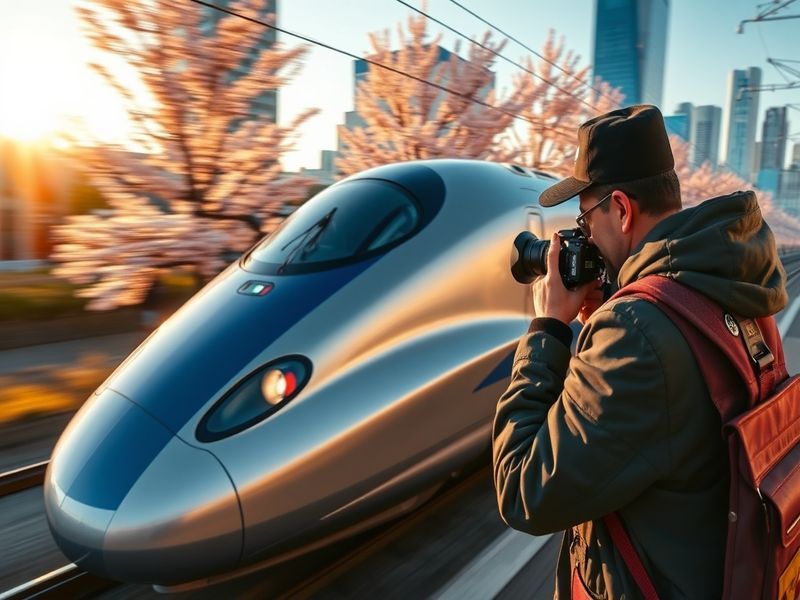
Trainspotting isn’t about the 1996 film starring Ewan McGregor—though that gritty tale of heroin addiction in Edinburgh did cement the term in pop culture. Instead, it refers to the niche but deeply passionate hobby of observing, photographing, and documenting trains in motion. What began as a child’s fascination with steam engines has evolved into a worldwide community of enthusiasts who track locomotives with almost scientific precision.
This subculture thrives in every continent, from the bullet trains of Japan to the freight yards of North America. Trainspotters, or railfans as they’re known in some regions, gather near tracks not just to watch trains pass by, but to log numbers, document liveries, and even predict schedules. The hobby blends nostalgia, engineering appreciation, and a quiet reverence for the power of steel on steel.
The Origins of a Global Obsession
The roots of trainspotting trace back to the Industrial Revolution when steam locomotives captured public imagination. In 19th-century Britain, children would gather near railway lines to watch the “Iron Horses” thunder past. By the early 20th century, enthusiasts began collecting locomotive numbers and technical details, often exchanging information through handwritten logs and club newsletters.
In the United States, railfan culture flourished alongside the expansion of transcontinental railroads. Clubs like the National Railway Historical Society, founded in 1935, provided a formal structure for enthusiasts to share knowledge. Meanwhile, in Japan, the Shinkansen bullet train became a symbol of technological progress, inspiring generations of young observers who still flock to platforms with cameras and notebooks in hand.
Today, the hobby has gone digital. Websites like Travel and forums such as TrainBoard and RailPictures.Net connect enthusiasts across continents. Social media platforms allow instant sharing of sightings, from vintage steam engines in India to high-speed trains in Europe. What was once a solitary pastime has become a global network of like-minded observers.
What Drives People to Watch Trains?
For some, trainspotting is about nostalgia. Watching a steam locomotive chug along a rural track evokes memories of a slower, more mechanical age. Others are drawn to the engineering marvels of modern high-speed rail, marveling at how 300-ton trains glide at 200 mph with barely a sound.
There’s also a thrill in the hunt. Serious trainspotters maintain databases of locomotive numbers, liveries, and routes. Spotting a rare engine—like a preserved steam locomotive in regular service or a newly painted freight unit—feels like discovering a hidden gem. Some even travel across states or countries just to see a specific train.
The hobby isn’t just passive observation. Many enthusiasts document their sightings with photography, video, or even audio recordings of train horns and wheel dynamics. Some take it further by building models, studying rail infrastructure, or even volunteering with heritage railways to preserve historic locomotives.
Types of Trainspotters
- Casual Spotters: Enjoy watching trains occasionally, often while commuting or on family outings.
- Collectors: Focus on documenting locomotive numbers, liveries, and technical specs.
- Photographers: Chase trains for the perfect shot, often traveling to scenic locations.
- Railfans: Deeply involved in rail advocacy, preservation, or technical discussions.
- Extreme Spotters: Travel internationally to see rare or iconic trains, often in extreme weather or remote locations.
The Cultural Impact of Trainspotting
While trainspotting remains a niche hobby, it has influenced broader culture in subtle ways. Railway photography has shaped visual aesthetics in art and advertising, with images of trains symbolizing progress, adventure, or isolation. Films like The Polar Express and Murder on the Orient Express use trains as central characters, reflecting their enduring symbolic power.
In Japan, the “Toreiy” (train) obsession is so strong that enthusiasts known as “Toreiy-kei” organize meetups to share information about schedules, new train models, and even the aesthetics of interior design. Japanese railfans often rank among the most dedicated in the world, with some traveling daily to photograph the latest Shinkansen or sleeper trains.
In Europe, trainspotting has become intertwined with industrial heritage tourism. The UK’s preserved railways, like the Bluebell Railway and the North Yorkshire Moors Railway, attract thousands of visitors annually who come not just for the rides, but for the chance to see vintage locomotives in action. These sites blend education, nostalgia, and entertainment, turning trainspotting into a family-friendly activity.
Even in countries with less rail infrastructure, trainspotting has found a following. In South Africa, enthusiasts document the colorful Spoornet locomotives, while in Australia, spotters track the iconic Indian Pacific and Ghan trains as they cross the continent. The hobby transcends language barriers, uniting people over a shared love of motion and machinery.
The Future of Trainspotting in a Digital World
As rail networks modernize, the face of trainspotting is changing. High-speed rail and digital signaling reduce the romance of visible operations, but they also introduce new challenges and opportunities. Enthusiasts now track GPS data, analyze train performance metrics, and even use apps to predict arrivals with precision.
Yet, there’s a tension between progress and preservation. As older locomotives are retired in favor of electric or hydrogen-powered units, some fear the loss of the mechanical soul that once defined rail travel. Heritage railways and museums play a crucial role in keeping that spirit alive, offering hands-on experiences for new generations.
Social media has democratized trainspotting, allowing anyone with a smartphone to share sightings instantly. Platforms like Instagram and TikTok have given rise to “trainfluencers”—enthusiasts who document their journeys, share tips, and build communities. This has helped the hobby attract younger participants, ensuring its survival for decades to come.
Despite these changes, the core of trainspotting remains unchanged: the thrill of watching steel wheels meet steel rails, the hum of electricity, the whistle of a distant train. It’s a quiet obsession, one that asks for patience, curiosity, and a willingness to stand by the tracks, waiting for the next marvel to pass by.
Why Trainspotting Still Matters
In an era dominated by digital distractions, trainspotting offers a tangible connection to the physical world. It teaches patience, observation, and appreciation for engineering. It brings communities together, whether in a small-town rail yard or a bustling online forum.
For many, it’s more than a hobby—it’s a way of seeing the world. A train isn’t just a machine; it’s a story of human ambition, technological progress, and the relentless march of industry. And in watching it glide past, we’re reminded of the beauty in motion.
So next time you hear the distant rumble of an engine, consider pausing. There might be a trainspotter nearby, already watching, waiting, and logging every detail. They’re part of a global tradition that stretches back over a century—and it’s far from over.