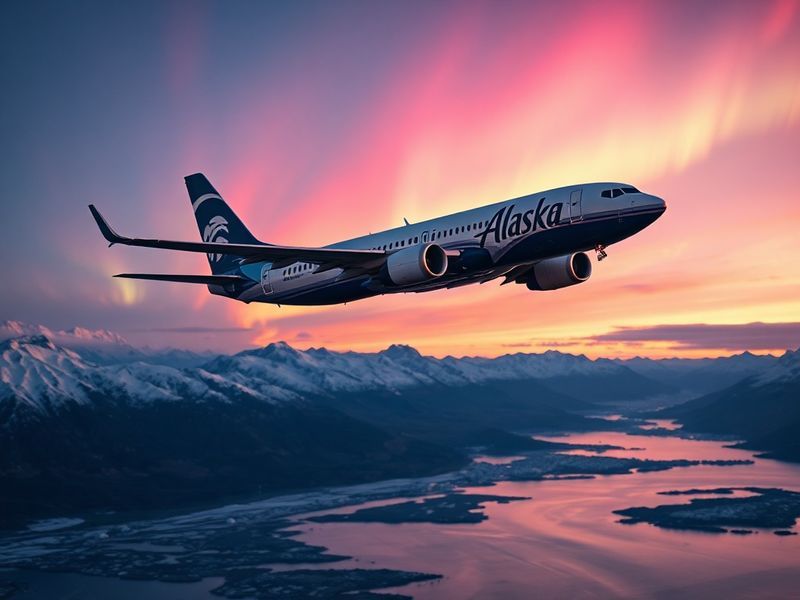
How Alaska Airlines Stands Out in a Competitive Airline Industry
“`html
Alaska Airlines: A Legacy of Innovation and Customer Focus
Alaska Airlines has long stood out in the crowded airline industry by prioritizing customer experience, operational efficiency, and strategic growth. Since its founding in 1932 as McGee Airways, the Seattle-based carrier has evolved into one of the most respected airlines in the United States. Its reputation stems from a commitment to reliability, environmental sustainability, and employee engagement—elements that have shaped its identity in an industry often criticized for inconsistency.
The airline’s recent merger with Virgin America in 2016 marked a turning point, expanding its reach and modernizing its fleet. Today, Alaska Airlines operates over 1,200 daily flights to more than 120 destinations across the U.S., Mexico, Canada, and Costa Rica. Its merger strategy wasn’t just about scale; it was about integrating Virgin America’s tech-forward approach with Alaska’s customer-centric culture. This blend has positioned the airline as a leader in digital innovation, particularly in areas like mobile booking and in-flight connectivity.
The Evolution of Alaska Airlines: From Regional Carrier to Industry Leader
Alaska Airlines began as a small bush pilot operation in Anchorage, Alaska, before expanding into commercial passenger service. By the 1970s, it had established itself as a dominant carrier in the Pacific Northwest, thanks to its strong brand loyalty and operational reliability. The airline’s decision to merge with Virgin America in 2016 was a calculated move to compete more effectively with larger carriers like Delta and United.
The merger brought challenges, including integrating two distinct corporate cultures and unifying loyalty programs. However, Alaska Airlines managed the transition by focusing on employee retention and customer experience. Its Mileage Plan loyalty program remains one of the most valuable in the industry, offering flexibility and rewards that rival even the largest competitors.
Another key factor in Alaska Airlines’ growth has been its investment in fuel-efficient aircraft. The airline was an early adopter of the Boeing 737 MAX, which improved fuel efficiency by nearly 20% compared to older models. This commitment to sustainability not only reduced operational costs but also aligned with increasing consumer demand for eco-friendly travel options.
Customer Experience: What Sets Alaska Airlines Apart
Alaska Airlines has consistently ranked at the top of customer satisfaction surveys, including those conducted by J.D. Power and the U.S. Department of Transportation. Its success in this area can be attributed to several key strategies:
- Employee Engagement: Alaska Airlines invests heavily in employee training and empowerment. Flight attendants and pilots are encouraged to go above and beyond for customers, from offering personalized service to resolving issues proactively.
- Digital Innovation: The airline’s mobile app is frequently ranked as one of the best in the industry, offering features like mobile check-in, real-time flight updates, and digital boarding passes. Its website is also optimized for seamless booking experiences.
- In-Flight Experience: Alaska Airlines offers complimentary meals on most flights, a rarity in the U.S. airline industry. Its premium cabin, known as First Class, provides extra legroom and enhanced dining options, catering to both business and leisure travelers.
- Community Engagement: The airline actively supports local communities through partnerships with nonprofits and environmental initiatives. Its travel category highlights these efforts, reinforcing its commitment to corporate social responsibility.
These initiatives have not only improved customer satisfaction but also fostered brand loyalty. Alaska Airlines’ Net Promoter Score (NPS) consistently ranks higher than the industry average, reflecting its ability to turn one-time passengers into repeat customers.
Operational Excellence and Industry Impact
Alaska Airlines’ operational performance is another area where it excels. The airline has one of the lowest cancellation rates in the industry, a testament to its rigorous maintenance schedules and proactive safety protocols. Its on-time performance is also consistently above average, even during peak travel periods like holidays and summer vacations.
Beyond its own operations, Alaska Airlines has influenced broader industry trends. For example, its decision to eliminate checked baggage fees for its loyalty program members set a precedent in the industry, pressuring competitors to follow suit. Similarly, its focus on sustainability has pushed other airlines to invest in more eco-friendly aircraft and carbon offset programs.
The airline’s recent partnership with tech startups to develop AI-driven customer service tools further demonstrates its commitment to innovation. These tools help streamline operations, reduce wait times, and improve overall efficiency—benefits that trickle down to the customer experience.
Challenges and Future Outlook
Despite its successes, Alaska Airlines faces challenges common to the airline industry. Rising fuel costs, labor shortages, and regulatory pressures are constant concerns. The COVID-19 pandemic also forced the airline to rethink its business model, leading to a temporary reduction in routes and workforce.
However, Alaska Airlines has demonstrated resilience. It quickly adapted to the new travel landscape by implementing enhanced cleaning protocols and flexible booking policies. Its recovery has been swift, with passenger numbers rebounding to pre-pandemic levels faster than many competitors.
Looking ahead, Alaska Airlines is focused on expanding its international presence, particularly in Asia and Latin America. It’s also investing in sustainable aviation fuels (SAF) to further reduce its carbon footprint. These efforts align with its long-term goal of becoming one of the most environmentally responsible airlines in the world.
The airline’s future will likely be shaped by its ability to balance growth with sustainability. If it continues to prioritize customer experience and operational excellence, Alaska Airlines could solidify its position as a leader in the industry for decades to come.
Conclusion
Alaska Airlines’ journey from a small Alaskan bush pilot operation to a major U.S. carrier is a story of innovation, resilience, and customer focus. By leveraging its strengths in operational efficiency, digital technology, and sustainability, the airline has carved out a unique niche in a highly competitive industry. Its ability to adapt to changing market conditions while maintaining high standards of service sets it apart from its peers.
As the airline continues to expand its routes and invest in sustainable practices, it serves as a model for how carriers can thrive in an evolving travel landscape. For passengers, choosing Alaska Airlines isn’t just about getting from point A to point B—it’s about experiencing a level of service and reliability that’s increasingly rare in today’s airline industry.