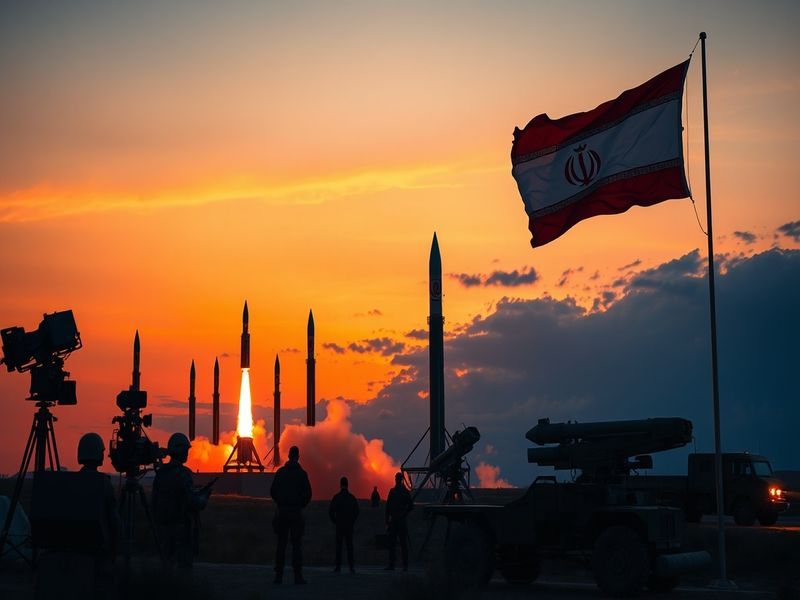
Understanding Iranian Missiles: Evolution, Implications, and Future Prospects
The Evolution of Iranian Missile Technology
Iran’s missile program has undergone significant evolution since its inception. Initially relying on foreign technology, the country has gradually developed its own indigenous capabilities. This advancement has raised alarms among neighboring nations and global powers alike. Understanding the trajectory of this program is essential to grasping the current geopolitical climate in the Middle East.
Iran’s missile development can be traced back to the 1980s during the Iran-Iraq War. Facing a dire need for defense, the country began to focus on creating a reliable missile arsenal. Over the years, the program has shifted from simple ballistic missiles to more sophisticated systems, including cruise missiles and guided munitions.
Current Capabilities and Types of Missiles
Today, Iran boasts a diverse range of missile systems. The key types of missiles in Iran’s arsenal include:
- Ballistic Missiles: These are designed for long-range strikes and can carry conventional or nuclear warheads.
- Cruise Missiles: These missiles fly at lower altitudes and are capable of precise targeting.
- Anti-Ship Missiles: Iran has developed systems aimed at countering naval threats in the Persian Gulf.
- Surface-to-Air Missiles: These provide defense against aerial attacks and enhance Iran’s military capabilities.
The development of these systems is not merely for defense. Iran views its missile capabilities as a means to project power and deter potential aggressors. This has led to increased tensions with countries such as Israel and the United States, both of whom closely monitor Iran’s activities.
Broader Implications for Regional Stability
The implications of Iran’s missile program extend beyond its borders. As Iran enhances its missile capabilities, neighboring countries are compelled to respond. This has resulted in an arms race in the region, with countries like Saudi Arabia and Israel investing heavily in their own military technologies.
Additionally, Iran’s missile development has implications for international relations. The potential for these missiles to carry nuclear warheads poses a significant threat, prompting discussions about nuclear non-proliferation. The ongoing tensions have made diplomatic efforts more challenging, as nations grapple with the balance between deterrence and dialogue.
International Response and Future Prospects
The international community has reacted to Iran’s missile advancements with a mix of sanctions and diplomatic negotiations. The Joint Comprehensive Plan of Action (JCPOA), established in 2015, aimed to limit Iran’s nuclear capabilities, but the missile program was not a primary focus. As a result, many nations are now advocating for a more comprehensive approach to address both nuclear and missile developments.
Looking ahead, several key points will shape the future of Iran’s missile program:
- Continuous technological advancements may lead to more sophisticated missile systems.
- Regional alliances may shift as countries respond to perceived threats.
- International negotiations could intensify, focusing on comprehensive arms control.
- The potential for conflict remains a significant concern, as miscalculations could escalate tensions.
In conclusion, Iran’s missile program is a complex and evolving issue with far-reaching implications. The advancements in missile technology pose a significant challenge to regional stability and international security. As countries continue to navigate this intricate landscape, the need for dialogue and strategic diplomacy becomes increasingly critical. Understanding the nuances of this situation is essential for anyone interested in Middle Eastern politics and global security.
For more insights on global military developments, visit our News and Analysis sections.