New York’s Hidden Coastal Gem
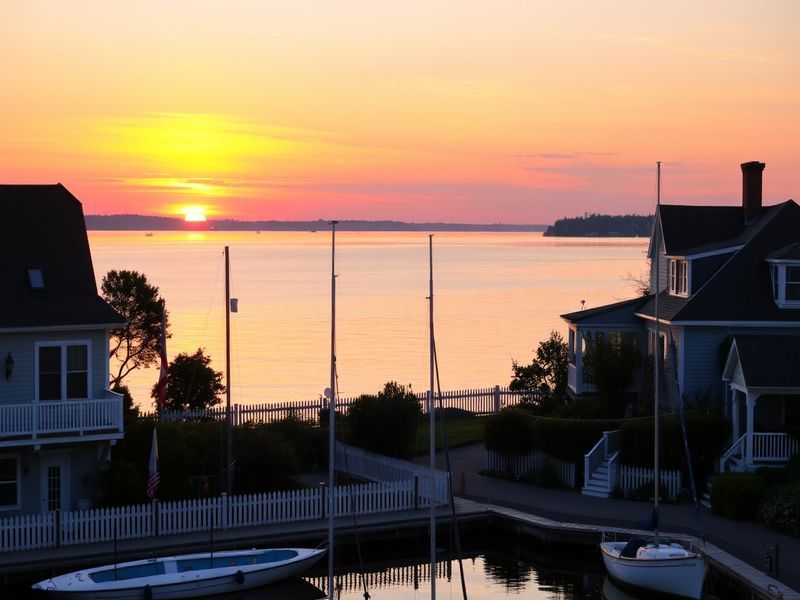
Nestled on the eastern end of Long Island, Sag Harbor stands as a testament to refined coastal living. Unlike its louder neighbors in the Hamptons, this village exudes quiet sophistication with its historic whaling roots and modern-day allure. Its cobblestone streets, lined with 19th-century captains’ homes, whisper tales of a bygone era when whaling fleets dominated the local economy.
Today, Sag Harbor thrives as a cultural crossroads. Artists, writers, and creative professionals have flocked to its shores, transforming it into a hub for inspiration. The village’s annual cultural festivals draw visitors from around the world, blending local traditions with global influences. Its proximity to New York City—just a two-hour drive—makes it an accessible escape for urbanites seeking serenity without sacrificing vibrancy.
The contrast between Sag Harbor’s past and present is striking. While the whaling industry once defined its identity, today’s Sag Harbor balances preservation with innovation. The farm-to-table dining scene, for instance, honors the region’s agricultural heritage while embracing modern culinary trends. This duality is what makes the village so compelling—a place where history and contemporary life coexist seamlessly.
From Whaling Hub to Cultural Capital
Sag Harbor’s transformation from a 19th-century whaling powerhouse to a 21st-century cultural magnet is nothing short of remarkable. In the 1800s, the village was one of the busiest ports in the United States, with whaling ships returning laden with oil and whalebone. The wealth generated from this industry left an indelible mark on the architecture, with grand Greek Revival and Federal-style homes dotting the landscape.
By the mid-20th century, as the whaling industry faded, Sag Harbor reinvented itself. The arrival of artists and writers in the 1950s and 60s breathed new life into the village. Figures like Jackson Pollock and Willem de Kooning frequented its shores, drawn to its light and solitude. Today, galleries like the Sag Harbor Whaling Museum and the Sag Harbor Cinema continue to foster artistic expression, ensuring the village remains a creative sanctuary.
This evolution reflects a broader trend in coastal communities worldwide. Places like Sag Harbor, which once relied on extractive industries, now thrive on culture and tourism. The shift mirrors global movements where historic towns rebrand themselves as destinations for art, food, and heritage. Sag Harbor’s ability to adapt while preserving its identity is a model for similar villages facing economic and environmental challenges.
A Global Perspective: Coastal Villages in Transition
Sag Harbor’s story is not unique. Coastal villages from Italy’s Cinque Terre to Japan’s Naoshima Island have undergone similar transformations. These places, once dependent on fishing or agriculture, now leverage their cultural and scenic assets to sustain their economies. The challenge lies in balancing growth with authenticity—ensuring that tourism enhances rather than erodes local traditions.
In Sag Harbor, this balance is evident. The village’s tourism industry is carefully curated to highlight its history and natural beauty. Walking tours of historic homes, kayaking excursions through Peconic Bay, and farm visits to nearby vineyards all contribute to a sustainable model. Unlike mass-market destinations, Sag Harbor prioritizes quality over quantity, attracting visitors who appreciate its understated elegance.
Globally, this approach is gaining traction. UNESCO’s recognition of historic coastal towns as World Heritage Sites underscores the value of preserving cultural landscapes. Sag Harbor’s inclusion in such conversations speaks to its relevance in a world where authenticity is increasingly prized over artificiality.
Dining, Shopping, and the Sag Harbor Experience
No visit to Sag Harbor is complete without exploring its culinary and retail offerings. The village’s dining scene is a microcosm of its cultural diversity. From seafood shacks serving oysters fresh from Peconic Bay to Michelin-starred restaurants like Topping Rose House, the options cater to every palate. Local favorites like The American Hotel blend historic charm with modern flair, offering a quintessential Sag Harbor experience.
Shopping in Sag Harbor is equally distinctive. Boutiques like Canio’s Books, a century-old bookstore, and Wolffer Estate Vineyard’s tasting room showcase the village’s eclectic mix of old and new. Unlike generic shopping malls, these stores offer handpicked goods—local art, vintage clothing, and artisanal foods—that reflect the community’s creative spirit.
Here’s a quick guide to must-visit spots in Sag Harbor:
- Dining: Topping Rose House, The American Hotel, Cowfish, Dockside Market
- Shopping: Canio’s Books, Wolffer Estate Vineyard, Sag Harbor Wine & Spirits, The Sag Harbor Emporium
- Culture: Sag Harbor Whaling Museum, Sag Harbor Cinema, John Jermain Memorial Library, Long Wharf Gallery
- Outdoors: Sag Harbor Marina, Mashashimuet Park, Sagg Main Beach
The village’s compact size makes it easy to explore on foot or by bike, further enhancing the experience. Whether you’re sipping a glass of local wine at a waterfront patio or browsing a gallery for the latest exhibit, Sag Harbor invites you to slow down and savor the moment.
Preserving the Future of Sag Harbor
As Sag Harbor continues to evolve, it faces challenges common to coastal communities: rising sea levels, gentrification, and the pressures of mass tourism. The village’s leaders and residents are actively working to mitigate these issues through sustainable practices and preservation efforts. Initiatives like the Sag Harbor Partnership focus on maintaining the village’s historic character while adapting to modern needs.
Environmental stewardship is also a priority. Organizations like the Peconic Land Trust work to protect the region’s natural habitats, ensuring that future generations can enjoy the same pristine landscapes that have long attracted visitors. These efforts align with global movements toward eco-conscious tourism, where sustainability is as important as aesthetics.
For those who call Sag Harbor home, the village’s future is a source of pride. It’s a place where history is cherished, creativity is celebrated, and nature is revered. As the world becomes increasingly urbanized, communities like Sag Harbor offer a vital reminder of the beauty that lies in preservation and intentional living.
Ultimately, Sag Harbor is more than just a destination—it’s a philosophy. It teaches us that progress need not come at the expense of identity. Whether you’re a first-time visitor or a longtime admirer, the village’s quiet elegance leaves a lasting impression, one that lingers long after you’ve left its shores.