The Vietnam War: Understanding Its Complexities and Legacy
The Vietnam War: A Complex Conflict
The Vietnam War, lasting from 1955 to 1975, remains one of the most contentious and significant conflicts in modern history. Its roots can be traced back to the broader context of the Cold War, where the struggle between communism and capitalism influenced global politics. The conflict involved North Vietnam, supported by its communist allies, and South Vietnam, backed by the United States and other anti-communist nations. The war’s impact transcended borders, influencing generations and shaping foreign policy for decades.
Key Players and Their Motivations
Understanding the motivations of the key players provides insight into the complexities of the Vietnam War. The primary actors included:
- North Vietnam: Led by Ho Chi Minh, their goal was to unify Vietnam under a communist regime.
- South Vietnam: Under President Ngo Dinh Diem, the South aimed to establish a non-communist state, receiving substantial military and financial support from the U.S.
- The United States: Motivated by the Domino Theory, U.S. officials believed that if one Southeast Asian nation fell to communism, others would follow.
- Other Nations: Countries such as China and the Soviet Union provided support to North Vietnam, while Australia, South Korea, and Thailand contributed troops to the South.
This multi-faceted involvement created a complex web of alliances and enmities, making the conflict not only a national struggle but also a global one.
Major Events and Turning Points
Several key events marked the Vietnam War, altering its trajectory and public perception. Some notable moments include:
- The Gulf of Tonkin Incident (1964): This event led to increased U.S. military involvement, following reports of North Vietnamese attacks on American ships.
- The Tet Offensive (1968): A massive surprise attack by North Vietnamese forces during the Vietnamese New Year, which shifted American public opinion against the war.
- The My Lai Massacre (1968): The killing of hundreds of unarmed Vietnamese civilians by U.S. soldiers highlighted the war’s brutality and raised ethical concerns.
- The Paris Peace Accords (1973): These agreements aimed to establish peace in Vietnam, ultimately leading to the withdrawal of U.S. troops.
Each of these events not only shaped military strategies but also significantly influenced public opinion and policy decisions in the United States and elsewhere.
The War’s Legacy
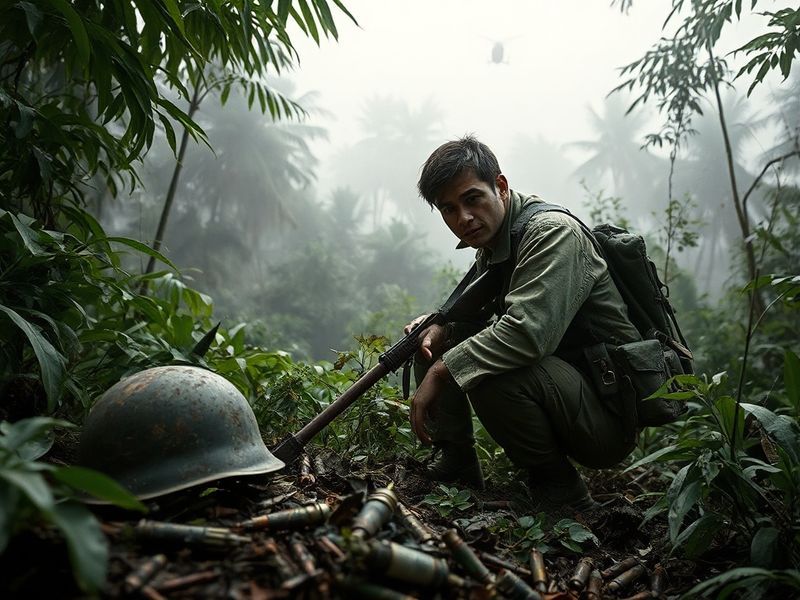
The Vietnam War left an indelible mark on Vietnam and the United States. In Vietnam, the war resulted in immense loss of life, with millions of Vietnamese soldiers and civilians killed. The landscape was devastated, and the country faced years of rebuilding. For many veterans, the war created lasting psychological scars, with issues such as PTSD becoming prevalent.
In the U.S., the war sparked widespread protests and a cultural shift. Music, literature, and art became powerful forms of expression against the conflict. The anti-war movement played a crucial role in shaping public discourse and policy, leading to a more cautious approach to foreign interventions in subsequent decades.
The Vietnam War also contributed to a reevaluation of U.S. military strategies and foreign policy, influencing how America engages in conflicts around the world. It serves as a cautionary tale about the complexities of war and the importance of understanding cultural and historical contexts.
Conclusion
The Vietnam War was a multifaceted conflict with deep-rooted causes and significant consequences. By analyzing the motivations of the key players, major events, and the war’s legacy, one can gain a more comprehensive understanding of its complexities. The lessons learned from this conflict continue to resonate in contemporary discussions about military intervention and foreign policy. For further exploration of related topics, visit our Culture and Politics pages.