Understanding the Iran Deal: Implications and Future Prospects
The Iran Deal: A Complex Diplomatic Effort
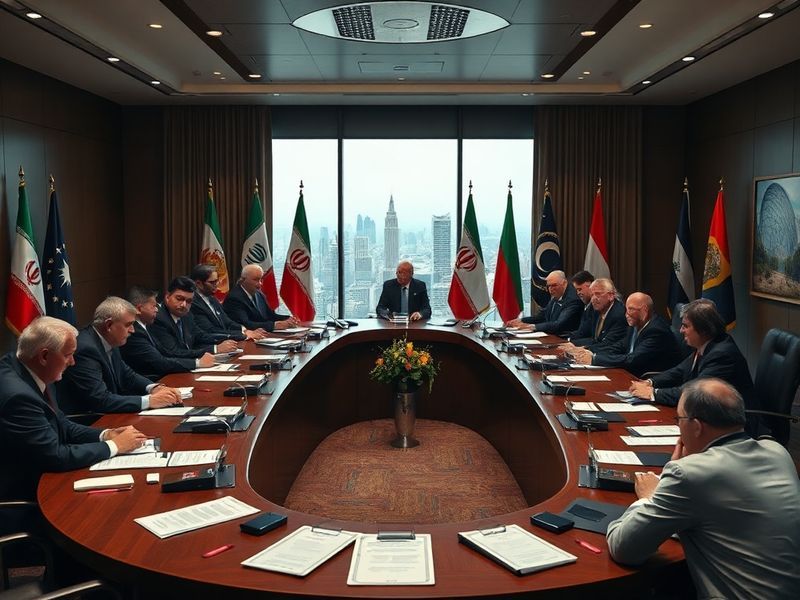
The Iran Deal, formally known as the Joint Comprehensive Plan of Action (JCPOA), was a significant diplomatic agreement reached in 2015 between Iran and six major world powers: the United States, the United Kingdom, France, Russia, China, and Germany. The deal aimed to limit Iran’s nuclear program in exchange for sanctions relief. This intricate agreement has since been a focal point of international relations, with various implications for global security and politics.
Key Provisions of the Iran Deal
The primary goal of the JCPOA was to ensure that Iran’s nuclear program remained peaceful. The agreement included several critical provisions:
- Uranium Enrichment Limits: Iran agreed to reduce its stockpile of enriched uranium and limit its enrichment levels.
- Inspections and Monitoring: The International Atomic Energy Agency (IAEA) was granted access to inspect Iranian nuclear facilities.
- Sanctions Relief: In exchange for compliance, economic sanctions imposed on Iran were lifted, allowing for a boost in its economy.
- Duration: The deal included specific timelines, with some restrictions lasting up to 15 years.
These measures aimed to extend the time it would take for Iran to develop a nuclear weapon, effectively increasing security for the region and the world. However, the deal’s complexity has led to varied interpretations and reactions.
Reactions and Implications
The Iran Deal received mixed responses from various stakeholders. Supporters hailed it as a diplomatic triumph that could pave the way for future agreements. Critics, however, argued that it was flawed and did not address Iran’s regional activities, including its support for militant groups. The differing viewpoints highlight the multifaceted nature of international diplomacy.
In the United States, the deal faced significant political opposition. The Trump administration withdrew from the agreement in 2018, citing concerns over Iran’s missile program and its influence in the Middle East. This withdrawal re-imposed sanctions, leading to increased tensions between the U.S. and Iran.
The Current State of Affairs
Since the U.S. exit from the JCPOA, the situation has evolved. Iran has gradually resumed its nuclear activities, exceeding the limits set by the original agreement. This escalation has raised alarms among world powers, prompting discussions about a potential revival of the deal or a new framework altogether.
Efforts to negotiate a return to the JCPOA have been ongoing, with various rounds of talks taking place in Vienna. However, these discussions have been complicated by regional dynamics and domestic politics within both the U.S. and Iran.
Future Prospects
The future of the Iran Deal remains uncertain. Analysts suggest several possible scenarios:
- Revival of the JCPOA: If diplomatic efforts succeed, the original deal may be reinstated with modifications to address current concerns.
- New Framework: A different agreement could emerge, focusing not only on nuclear issues but also on Iran’s regional activities.
- Continued Tensions: If negotiations fail, tensions may escalate further, leading to potential conflict in the region.
The implications of these scenarios extend beyond Iran and the involved nations. They could significantly impact global oil markets, international relations, and even domestic politics in various countries. As such, the situation warrants close attention from policymakers and analysts alike.
In conclusion, the Iran Deal represents a complex intersection of diplomacy, security, and international relations. While it aimed to curb nuclear proliferation, the evolving geopolitical landscape presents ongoing challenges. The future of the agreement will depend on the willingness of all parties to engage in constructive dialogue and find common ground.