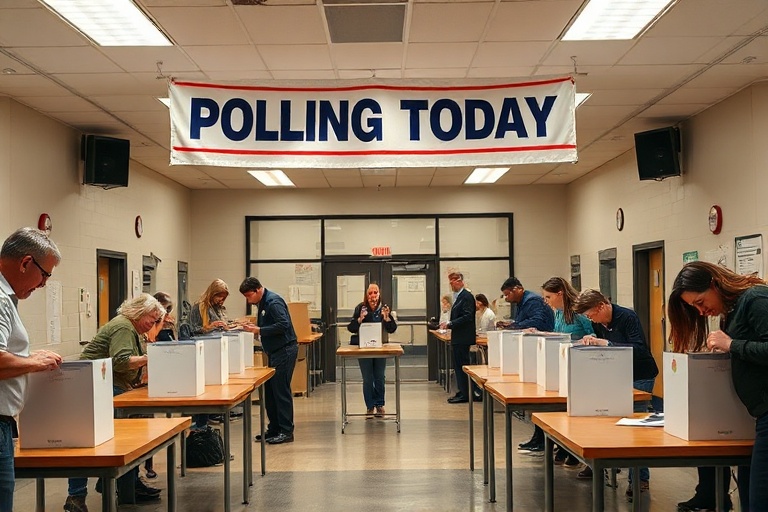
The role of polls in today’s society extends far beyond election forecasting. They serve as barometers for public sentiment, shaping media narratives, influencing corporate strategies, and even guiding government policy. Yet the methodology, reliability, and ethical implications of modern polling remain hotly debated.
With the rise of social media algorithms, deepfake technology, and polarized political environments, traditional polling faces unprecedented challenges. Understanding these dynamics requires examining not just how polls are conducted, but why they matter—and where they fall short.
The Evolution of Polling: From Gallup to Big Data
Public opinion polling traces its roots to the 1930s, when George Gallup pioneered scientific survey methods to predict election outcomes. For decades, telephone surveys dominated the field, relying on random-digit dialing to reach representative samples. The process was slow but relatively reliable.
Today, the landscape has transformed dramatically. Online polling platforms like YouGov and SurveyMonkey now dominate, offering faster, cheaper data collection. Social media scraping and sentiment analysis tools provide real-time insights, though often with questionable accuracy. The shift reflects a broader cultural move toward immediacy and digital integration.
Yet this evolution comes with trade-offs. While traditional polls aimed for statistical precision, modern methods prioritize speed and volume. The result is a fragmented ecosystem where conflicting data points create confusion rather than clarity.
The Methodology Behind the Numbers
Understanding poll results begins with examining methodology. Key factors include sample size, demographic weighting, and question phrasing. A poll of 1,000 respondents may yield a margin of error of ±3%, but that accuracy assumes proper sampling techniques.
Online polls often struggle with self-selection bias, as participants choose to respond rather than being randomly selected. Weighting adjustments attempt to correct for age, gender, and geographic imbalances, but these corrections can introduce new distortions.
Question wording presents another critical variable. A seemingly minor shift—such as replacing “tax relief” with “tax cuts”—can sway responses by 10% or more. Pollsters must balance neutrality with clarity, a challenge that grows more complex in politically charged environments.
For deeper analysis on polling methods, explore our Analysis section, where experts dissect data reliability and methodological debates.
Polls in the Digital Age: Accuracy, Speed, and Distrust
The 2016 U.S. presidential election exposed significant flaws in pre-election polling. State-level forecasts underestimated support for Donald Trump, leading to widespread criticism of pollsters. While some errors stemmed from late deciders breaking for Trump, others reflected deeper methodological issues.
Social media compounded these problems. Platforms like Twitter and Facebook became echo chambers where extreme views appeared more prevalent than they were. Pollsters struggled to distinguish between genuine sentiment and viral misinformation.
Today, the integration of AI and machine learning offers new possibilities. Algorithms can process millions of social media posts to track sentiment trends in real time. However, these tools often lack transparency, making it difficult to assess their reliability.
The public’s trust in polls has eroded alongside these challenges. A 2023 Pew Research study found that only 38% of Americans believe polls accurately reflect public opinion. This skepticism extends beyond politics, affecting consumer research, media coverage, and corporate decision-making.
Beyond Politics: The Multifaceted Impact of Polls
While political polls dominate headlines, their influence extends across industries. Market researchers use consumer sentiment data to guide product launches and advertising campaigns. Healthcare organizations rely on polls to assess public attitudes toward vaccines and medical treatments.
Entertainment industries also depend on polling data. Film studios track audience interest through preview screenings and social media monitoring. Streaming platforms use sentiment analysis to determine which shows to renew or cancel. In music, streaming charts and social media mentions often serve as informal polls, shaping industry trends.
Even sports teams and leagues incorporate polling into their strategies. Fan surveys influence stadium renovations, ticket pricing, and even player acquisitions. The NBA’s annual “Most Improved Player” award, for example, incorporates fan voting alongside media and player ballots.
Ethical Considerations in Modern Polling
As polling becomes more sophisticated, ethical questions emerge. The use of microtargeting in political campaigns, enabled by detailed voter data, raises concerns about manipulation. Companies like Cambridge Analytica demonstrated how psychological profiling could sway elections, prompting calls for stricter regulations.
Data privacy concerns also complicate online polling. Many platforms collect extensive personal information, often without explicit consent. The European Union’s General Data Protection Regulation (GDPR) has pushed some organizations to adopt more transparent practices, but enforcement remains inconsistent.
Another ethical dilemma involves the dissemination of poll results. Media outlets often highlight surveys that support a particular narrative, ignoring contradictory data. This cherry-picking can distort public perception and influence voter behavior.
The Future of Polling: Challenges and Opportunities
The next decade will likely see polls evolve in response to technological and societal changes. Several key trends are emerging:
- Hybrid Methodologies: Combining traditional survey methods with AI-driven sentiment analysis to improve accuracy.
- Blockchain for Transparency: Using distributed ledger technology to create tamper-proof polling records.
- Decentralized Polling: Platforms that allow users to vote on issues directly, reducing reliance on traditional pollsters.
- Real-Time Adjustments: Algorithms that refine polling questions based on initial responses to reduce bias.
The COVID-19 pandemic accelerated these trends. Health officials used real-time polling to gauge public compliance with safety measures. Governments adopted digital tools to track sentiment during lockdowns. These innovations demonstrated both the potential and pitfalls of rapid-response polling.
Yet challenges persist. The proliferation of deepfakes and synthetic media could make it impossible to distinguish genuine public opinion from AI-generated content. Pollsters will need to develop new verification methods to maintain credibility.
What Consumers of Poll Data Should Watch For
For readers and researchers relying on poll data, several red flags indicate potential issues:
- Sample Size: Be wary of polls with fewer than 500 respondents, as margins of error become too large.
- Source Transparency: Reputable pollsters disclose methodology, including weighting criteria and question wording.
- Timing: Polls conducted months before an election are less reliable than those taken closer to the event.
- Comparability: Look for polls that use consistent methodologies over time to track trends accurately.
- Media Context: Consider how the poll is being interpreted and whether the results are being sensationalized.
For additional resources on evaluating poll data, visit our News section, where we regularly analyze emerging survey data and its implications.
Conclusion: The Enduring Relevance of Polls in an Uncertain World
Despite their flaws, polls remain essential tools for understanding public opinion. They provide a snapshot of societal trends, even if that snapshot is imperfect. The key lies in interpreting the data critically and recognizing its limitations.
As technology advances, the polling industry will continue to transform. The challenge will be balancing innovation with integrity, speed with accuracy, and engagement with responsibility. For now, polls offer the best available method for gauging collective sentiment—but they require careful scrutiny.
The future of polling may lie in hybrid approaches that combine the rigor of traditional methods with the adaptability of digital tools. Until then, consumers of poll data must remain vigilant, questioning not just the numbers but the methods behind them.
In an era of misinformation and polarization, reliable polling serves as a vital counterbalance. Its continued evolution will shape not just political outcomes, but the broader landscape of public discourse.