Understanding Fire Weather Watches
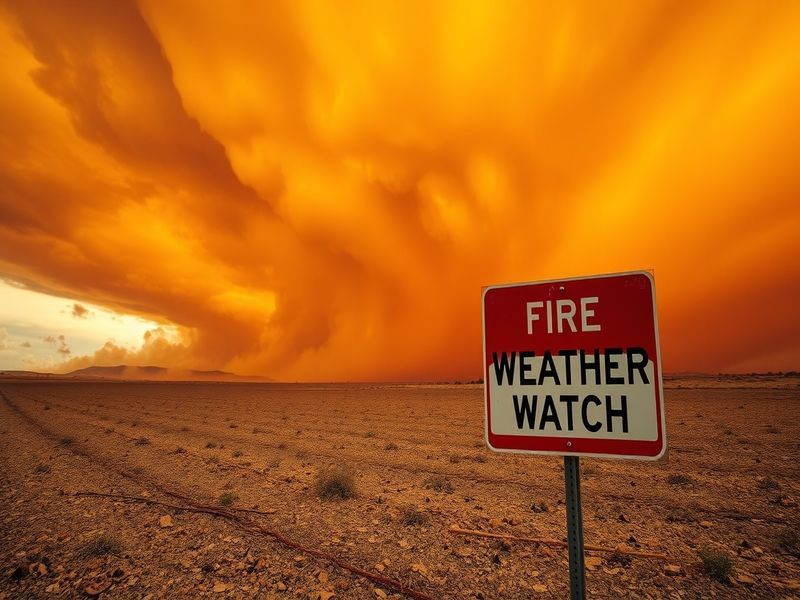
A fire weather watch is an important alert issued by meteorological services to indicate that conditions are favorable for wildfires to ignite and spread. This alert is especially significant in areas prone to wildfires, where dry conditions, strong winds, and low humidity can create a perfect storm for fire outbreaks. Understanding the implications of a fire weather watch can aid communities in preparing and responding effectively to potential fire threats.
What Triggers a Fire Weather Watch?
Several meteorological factors can lead to the issuance of a fire weather watch. The National Weather Service (NWS) typically considers the following criteria:
- Low Humidity: Relative humidity levels below 25% can contribute to rapid fire spread.
- High Winds: Sustained winds over 20 mph or gusts exceeding 30 mph can carry embers and flames across large distances.
- Dry Vegetation: Areas with drought conditions or dead vegetation can easily ignite.
- High Temperatures: Extreme heat can exacerbate fire risks by drying out vegetation and soil.
When these conditions align, meteorologists issue a fire weather watch to alert local authorities and the public about the heightened risk of wildfires. This proactive approach allows communities to prepare for potential evacuations or fire-fighting efforts.
Broader Implications of Fire Weather Watches
Fire weather watches have implications beyond immediate safety concerns. They reflect a growing awareness of climate-related challenges that many regions face. As climate change continues to affect weather patterns, the frequency and intensity of conditions conducive to wildfires are likely to increase. This trend raises several important considerations:
- Community Preparedness: Communities must develop and implement effective emergency response plans. Education about fire safety and evacuation routes is crucial.
- Resource Allocation: Local governments need to allocate resources for firefighting efforts, including equipment and personnel, particularly during peak fire seasons.
- Environmental Impact: Wildfires can lead to significant environmental degradation, affecting air quality, water sources, and wildlife habitats.
- Insurance and Economic Factors: Increased wildfire activity can lead to higher insurance premiums and economic instability for affected areas.
As climate change continues to influence weather patterns, fire weather watches will likely become more frequent. Understanding these alerts can help communities mitigate risks and enhance resilience against potential disasters.
Responding to Fire Weather Watches
When a fire weather watch is issued, it is crucial for residents in affected areas to take it seriously. Here are some recommended actions:
- Stay informed by monitoring local news and weather services for updates.
- Create a family emergency plan that includes evacuation routes and communication strategies.
- Prepare an emergency supply kit, including essentials like food, water, medications, and important documents.
- Clear flammable materials from around homes and properties to create defensible space.
Communities can also engage in proactive measures, such as controlled burns and vegetation management, to reduce the fuel available for wildfires. These strategies can be instrumental in minimizing the impact of wildfires when conditions are favorable for ignition.
Conclusion
Fire weather watches serve as critical alerts that help communities prepare for potential wildfire threats. By understanding the conditions that lead to these alerts and the broader implications of increased wildfire activity, residents can take proactive steps to protect themselves and their properties. As climate change continues to shape our environment, awareness and preparedness will be essential in navigating the challenges posed by wildfires. For more information on related topics, visit our weather category and explore our safety tips.