Understanding Hailstones: Formation and Characteristics
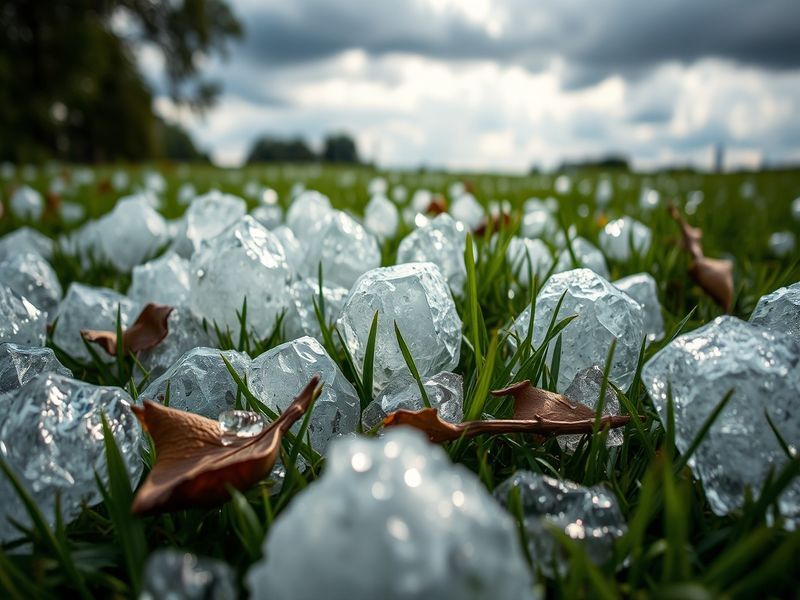
Hailstones are a fascinating meteorological phenomenon that can cause significant damage and pose risks to both people and property. These ice pellets form in thunderstorms with strong updrafts, where water droplets are lifted into extremely cold areas of the atmosphere. As these droplets ascend and descend, they freeze and accumulate layers of ice, eventually falling to the ground when they become too heavy to be supported by the updrafts.
The size of hailstones can vary dramatically, ranging from small pea-sized pellets to golf ball-sized or even larger stones. The largest recorded hailstone in the United States weighed almost two pounds and measured eight inches in diameter. Such massive hailstones can cause extensive damage to vehicles, crops, and buildings, highlighting the importance of understanding this weather phenomenon.
The Global Impact of Hailstorms
Hailstorms are not just a local concern; they can have a wide-ranging impact across various regions. Countries with frequent thunderstorms, such as the United States, Argentina, and parts of Europe, experience hailstorms that can disrupt daily life and economic activities.
- United States: Hail is most common in the central U.S., particularly in the states of Texas, Colorado, and Nebraska. Here, the combination of warm, moist air and cold fronts creates ideal conditions for hail formation.
- Argentina: Known for its intense hailstorms, Argentina has experienced some of the most severe hail events, causing damage to crops and infrastructure.
- India: While less frequent, hailstorms can severely impact agriculture in India, particularly during the monsoon season.
- Europe: Countries like Germany and France also face hail risks, especially in summer months, affecting vineyards and other agricultural sectors.
The economic consequences of hailstorms can be profound. In agricultural regions, hail can destroy crops, leading to financial losses for farmers and impacting food supply chains. Insurance claims often rise sharply following severe hail events, placing additional strain on local economies.
Cultural Perceptions and Responses to Hail
Different cultures have their own interpretations and responses to hailstorms. In some regions, hail is viewed as a natural disaster to be feared, while in others, it might be seen as a sign of changing seasons. Folklore and local traditions often reflect these perceptions, showcasing how people relate to the environment.
For instance, in parts of the U.S. Midwest, farmers might consider hail as a harbinger of bad luck for the crop season. In contrast, in some cultures, hail is associated with fertility and renewal, representing the necessary elements for growth. These differing views influence how communities prepare for and respond to hailstorms, from investing in protective measures to engaging in traditional rituals seeking protection from the elements.
Mitigation and Preparedness Strategies
Given the potential for severe damage, it is crucial to adopt effective strategies for hailstorm preparedness and mitigation. Here are some measures that can help minimize the impact of hail:
- Insurance: Homeowners and farmers should consider investing in comprehensive insurance policies that cover hail damage.
- Protective Structures: Installing hail nets or using protective covers can safeguard crops and property.
- Community Alerts: Local governments can implement warning systems to alert residents of impending storms, allowing for timely preparations.
- Education: Increasing awareness about the risks associated with hail can empower communities to take proactive measures.
By understanding the risks and preparing adequately, individuals and communities can reduce the adverse effects of hailstorms.
Conclusion
Hailstones are a remarkable meteorological event that can have devastating consequences. Their formation is a complex process influenced by various atmospheric conditions. The global impact of hailstorms extends beyond immediate physical damage; it affects economies, cultural perceptions, and community responses. As climate patterns shift, the frequency and intensity of hailstorms may change, making it essential for communities to adapt and prepare. Through education, preparedness, and protective measures, we can mitigate the risks associated with these icy phenomena.
For more information on weather-related topics, you can visit our Science and News sections.