Ruth’s Chris Steak House: Tradition, Controversy, and the Future of Fine Dining
History and Origins of a Steakhouse Icon
Ruth’s Chris Steak House traces its roots to a single New Orleans restaurant opened in 1965 by Ruth Fertel, a divorced mother of two sons. Fertel mortgaged her home to purchase Chris Steak House, a small, struggling restaurant in the French Quarter. Within a few years, its reputation for high-quality steaks and a unique atmosphere began to spread. By 1976, Fertel had expanded the brand to Baton Rouge, and the restaurant became known simply as Ruth’s Chris.
The chain’s growth accelerated in the 1980s and 1990s, fueled by Fertel’s relentless focus on quality and consistency. She established strict standards for beef selection, aging, and preparation, insisting on USDA Prime cuts cooked over 1,800-degree broilers. The signature sizzle heard when a steak is served comes from a proprietary searing technique developed in the early years. Today, Ruth’s Chris operates more than 130 locations worldwide, from New York to Tokyo, maintaining its reputation as a destination for celebratory dinners and business meals.
Behind the brand’s longevity lies a story of resilience. Fertel faced skepticism from investors early on, but her commitment to excellence turned critics into loyal patrons. The restaurant’s name itself reflects a branding evolution—originally “Chris Steak House,” it became “Ruth’s Chris” after Fertel purchased the rights to the name following legal disputes. This blend of personal grit and culinary dedication set the foundation for the brand’s enduring success.
The Signature Experience: What Sets Ruth’s Chris Apart
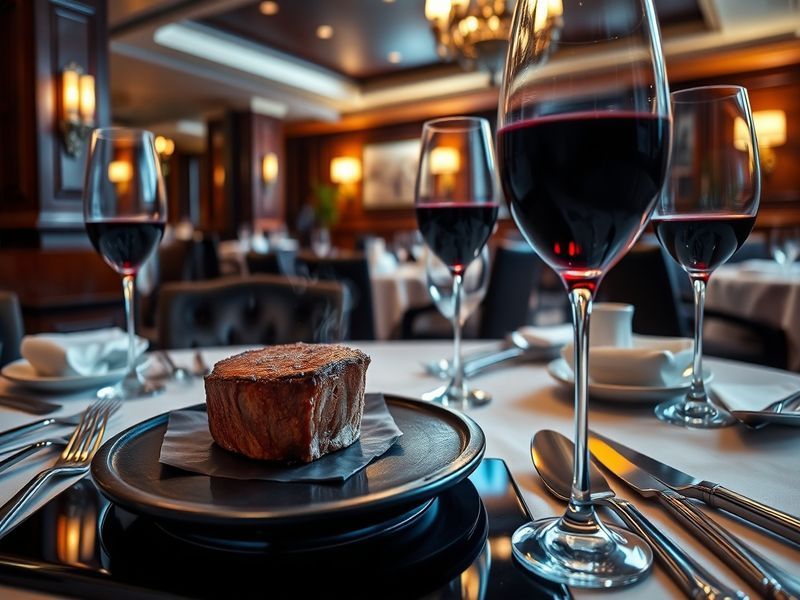
Walking into a Ruth’s Chris location means entering a carefully curated world of luxury. The ambiance balances classic elegance with modern sophistication—dark wood paneling, soft lighting, and walls adorned with art. Servers, often trained for months, guide guests through the menu with knowledge and discretion, a hallmark of the brand’s service philosophy.
The menu is a celebration of tradition and indulgence. While the focus is on dry-aged steaks—filet mignon, ribeye, and New York strip—side dishes like creamed spinach, truffle mashed potatoes, and the iconic bacon-wrapped filet elevate the experience. The restaurant also offers a curated wine list, with many locations featuring sommeliers to assist diners. In 2023, Ruth’s Chris introduced a new “Steak & Whiskey” menu, reflecting a shift toward experiential dining and pairing recommendations.
One of the most memorable aspects of dining at Ruth’s Chris is the presentation. Each steak arrives sizzling on a 500-degree cast-iron platter, accompanied by a small bowl of steak sauce to complement the natural flavors. This theatrical element, combined with the rich aroma of charred beef, creates an unforgettable sensory experience. The brand has also embraced innovation, introducing plant-based options like the Beyond Steak in 2020, though traditionalists remain skeptical about its place on the menu.
A Global Brand with Local Roots
Ruth’s Chris has successfully adapted to international markets while preserving its core identity. In Japan, for example, the chain partners with local distributors to source Wagyu beef, offering a premium alternative to domestic cuts. European locations emphasize seasonal ingredients, reflecting regional tastes. Yet, regardless of location, the brand’s commitment to the “Ruth’s Chris Experience”—a blend of hospitality, quality, and ritual—remains consistent.
Controversies and Challenges: Navigating a Changing Industry
Despite its storied past, Ruth’s Chris has not been immune to controversy. In recent years, the restaurant industry has faced scrutiny over labor practices, sustainability, and rising food costs. Ruth’s Chris has responded with a mix of adaptation and resistance. For instance, the chain was criticized in 2021 for its reliance on USDA Prime beef, which contributes to high prices and environmental concerns. While competitors like high-end steakhouses have begun incorporating lab-grown meat or alternative proteins, Ruth’s Chris has largely stuck to tradition.
Labor disputes have also emerged. In 2022, workers at a Ruth’s Chris location in Miami filed a complaint alleging unpaid wages and unsafe working conditions. The company responded by implementing new training programs and reviewing pay structures, but the incident highlighted broader tensions in the hospitality sector. Additionally, the COVID-19 pandemic forced Ruth’s Chris to pivot toward takeout and delivery, a move that alienated some purists who associate the brand with in-person dining.
Another challenge lies in maintaining relevance among younger diners. While Ruth’s Chris remains a favorite for anniversaries and milestones, its image as a “dad’s steakhouse” has struggled to resonate with Gen Z and millennial consumers, who prioritize convenience and authenticity. The brand has attempted to address this with social media campaigns and collaborations, such as a 2023 partnership with a popular podcast to host a live “Steak Night” event.
What’s Next for Ruth’s Chris?
The future of Ruth’s Chris hinges on its ability to balance tradition with innovation. One area of growth is its franchise model, which has allowed the brand to expand globally while minimizing risk. In 2024, Ruth’s Chris announced plans to open locations in new markets, including Dubai and Mexico City. The company is also investing in technology, from AI-driven reservation systems to digital loyalty programs, to enhance the customer experience.
Yet, the most pressing question is whether Ruth’s Chris can redefine itself without alienating its core audience. The chain’s strength lies in its consistency—a diner in 1985 would recognize the menu and service in 2024. However, in an era where diners crave novelty, this consistency risks feeling stale. Some industry analysts suggest Ruth’s Chris could explore pop-up events, chef collaborations, or even a subscription model for exclusive tastings.
For now, Ruth’s Chris remains a symbol of American fine dining, a place where milestones are celebrated and steaks are savored. Its story is one of perseverance, adaptability, and an unwavering belief in the power of a perfectly cooked meal. Whether it can thrive in the next 60 years may depend on how well it honors its past while embracing the future.
Key Takeaways: The Ruth’s Chris Phenomenon
- Foundational Legacy: Ruth Fertel’s vision turned a single New Orleans restaurant into a global empire, built on quality and service.
- Signature Elements: The sizzling platter, dry-aged steaks, and meticulous hospitality define the Ruth’s Chris experience.
- Challenges Ahead: Labor disputes, sustainability concerns, and shifting consumer preferences threaten the brand’s traditional model.
- Future Strategies: Franchise expansion, tech integration, and menu innovation could help Ruth’s Chris stay relevant.
Final Thoughts
Ruth’s Chris Steak House stands at a crossroads. Its history is a testament to the power of a singular vision, but the modern dining landscape demands more than nostalgia. The brand’s ability to evolve—while preserving the essence of what made it great—will determine whether it remains a titan of the industry or becomes a relic of a bygone era. One thing is certain: as long as there are celebrations to mark and steaks to savor, Ruth’s Chris will have a place at the table.