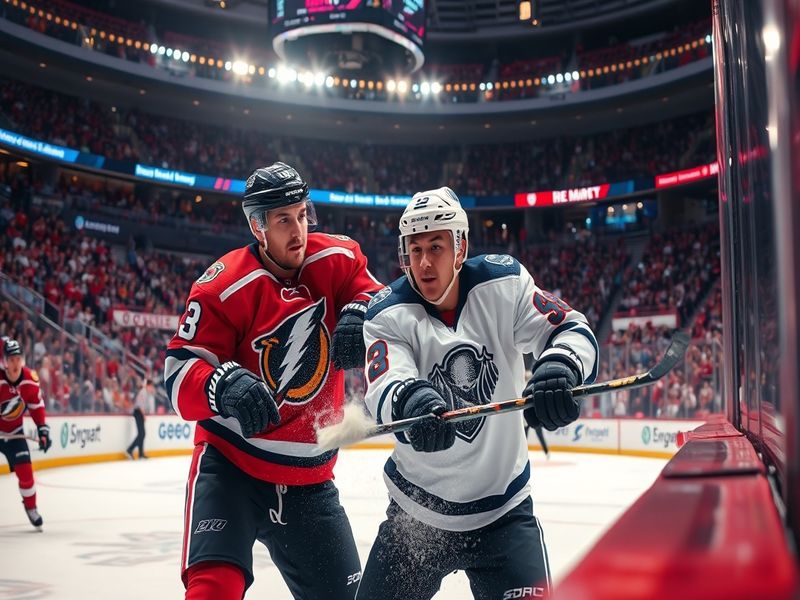
Understanding NHL Games
The National Hockey League (NHL) is a professional ice hockey league that comprises teams from both the United States and Canada. Established in 1917, the NHL has evolved significantly over the decades, becoming one of the premier sports leagues in North America. Each season, fans eagerly anticipate the excitement of NHL games, showcasing some of the best talent in the sport.
The Structure of the NHL Season
The NHL season is structured into several key segments, each contributing to the overall excitement and competitiveness of the league. The main components include:
- Regular Season: This segment typically runs from October to April, with each team playing 82 games. Teams compete for points to secure a spot in the playoffs.
- Playoffs: Following the regular season, the top teams enter a knockout tournament format. The playoffs culminate in the Stanley Cup Finals, where the two conference champions compete for the championship.
- All-Star Weekend: This event showcases the league’s top talent through various competitions and an exhibition game, providing fans with a festive atmosphere.
Key Aspects of NHL Games
NHL games are characterized by their fast-paced action, physicality, and strategic depth. The excitement of watching a game is enhanced by several factors:
- Skill Level: The NHL features some of the most skilled players in the world, known for their speed, agility, and precise puck handling.
- Team Dynamics: Each team has a unique strategy and roster composition, which can significantly impact gameplay. Coaches play a crucial role in developing game plans that leverage their team’s strengths.
- Fan Engagement: NHL games are known for their lively atmosphere, with passionate fans creating an electric environment in arenas. The connection between fans and teams adds another layer of excitement to each game.
Impact of Technology on NHL Games
Technology has transformed the way NHL games are played and viewed. Advances in equipment, analytics, and broadcasting have enhanced the overall experience for players and fans alike. For instance, players now use advanced sticks and protective gear designed with cutting-edge materials, improving performance and safety.
Moreover, analytics have become integral in shaping team strategies. Coaches and managers utilize data to evaluate player performance and make informed decisions during games. This analytical approach has led to a more strategic style of play, influencing how teams compete on the ice.
Broadcasting technology has also evolved, with high-definition broadcasts and real-time statistics allowing fans to engage with the game like never before. Interactive features provide viewers with in-depth analysis, enhancing their understanding and enjoyment of the sport.
Conclusion
NHL games offer a thrilling blend of athleticism, strategy, and fan engagement. The structure of the season, combined with the skill of the players and the impact of technology, create a dynamic environment that captivates audiences. As the league continues to evolve, it will be interesting to see how these elements develop and shape the future of hockey. For more insights and updates on NHL games, visit our sports section or check out the latest news articles.