Exploring the Intermission Mission: A Global Perspective
Understanding the Intermission Mission
The concept of an “intermission mission” has gained traction in various contexts, particularly in the world of entertainment and live events. This term refers to the initiatives and activities that take place during intermissions, breaks, or pauses in a performance. Whether it’s a theater show, a concert, or even a sports event, these moments offer unique opportunities for engagement and reflection. The intermission mission is not merely a break; it serves as a pivotal point for audience interaction and rejuvenation.
The Role of Intermissions in Different Cultures
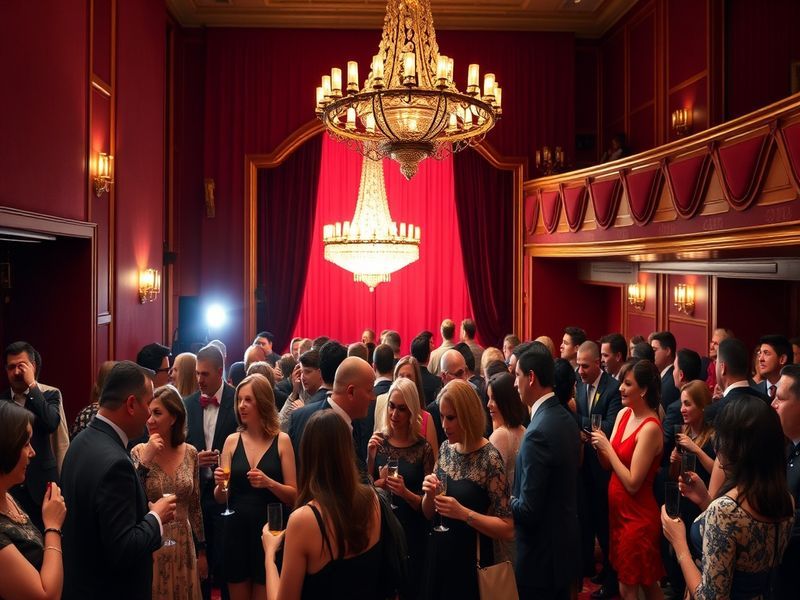
Intermissions are not a universal practice but vary significantly across cultures. In Western theater, intermissions are common, allowing audiences to stretch, socialize, and discuss the first act. This break is often accompanied by refreshments, enhancing the overall experience. In contrast, some Asian cultures may favor continuous performances, emphasizing uninterrupted storytelling.
Here are some notable differences:
- Western Culture: Intermissions are standard, often lasting 15-20 minutes.
- Asian Culture: Continuous performances are more prevalent, particularly in traditional theater.
- Sports Events: Halftime shows and intermissions are utilized for entertainment and marketing purposes.
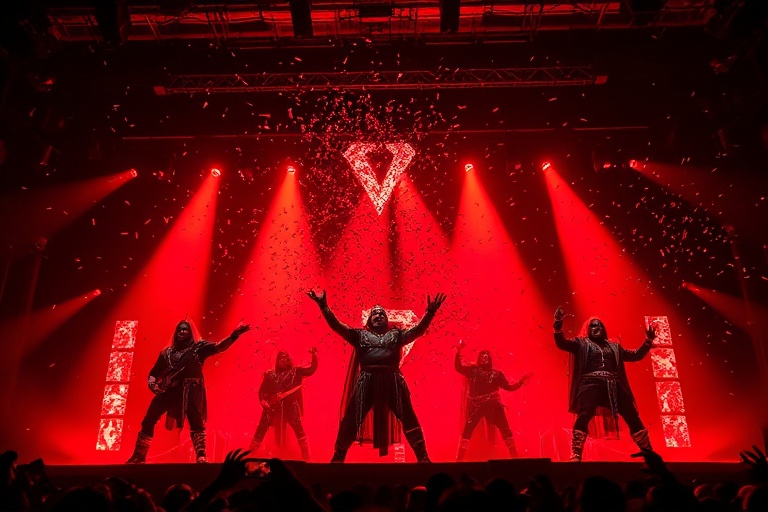
- Music Concerts: Short breaks may occur, with artists using this time for audience interaction.
Intermission Missions: Engaging the Audience
The intermission mission can take various forms, from simple refreshments to elaborate activities designed to engage the audience. This engagement is crucial in maintaining interest and enhancing the overall experience. It’s not uncommon to see audience members sharing their thoughts on social media, which can amplify the event’s reach and impact.
Some common activities during intermissions include:
- Q&A Sessions: Artists or performers may interact with the audience, answering questions and providing insights.
- Merchandise Sales: Vendors often set up booths, allowing attendees to purchase memorabilia.
- Social Media Engagement: Encouraging attendees to share their experiences online can create a buzz.
- Interactive Games: Some events incorporate games or contests, making the intermission fun and memorable.
Global Perspectives on Intermission Missions
Examining the intermission mission from a global perspective reveals how cultural contexts shape these activities. For instance, in European opera houses, intermissions are often regarded as a time for socializing among the elite, where discussions about the performance are as important as the performance itself. This tradition emphasizes the social aspect of attending such events.
Conversely, in the United States, intermissions may serve more practical purposes, such as allowing attendees to visit restrooms or purchase snacks. The focus is often on convenience rather than social interaction. This difference illustrates how cultural values influence the experience of live events.
In sports, intermissions or halftime shows can include performances by cheerleaders or local artists, which serve to entertain and engage the crowd. This aspect of intermission missions is particularly prominent in American football, where halftime shows have become a significant part of the event, drawing large audiences and substantial media coverage. Additionally, events like the Super Bowl have turned intermissions into major entertainment spectacles, showcasing popular artists and creating a unique blend of sports and music.
Conclusion: The Importance of the Intermission Mission
The intermission mission plays a crucial role in enhancing the overall experience of live events across the globe. While the specific activities and cultural significance may vary, the underlying principle remains the same: to engage the audience and create a memorable experience. As events continue to evolve, the intermission mission will likely adapt and change, reflecting the diverse needs and preferences of attendees.
For those interested in exploring more about the intersection of culture and entertainment, check out our Culture and Entertainment sections for further insights and analyses.