Celebrating Maryland Day: A Historical Overview
Maryland Day, observed on March 25 each year, commemorates the founding of the Maryland colony in 1634. This day marks a significant moment in American history, as it represents the establishment of one of the earliest English settlements in North America. The event not only honors the past but also celebrates the rich culture and heritage of Maryland.
The day is rooted in the arrival of the first colonists, led by Leonard Calvert, who landed on St. Clement’s Island. This moment laid the groundwork for Maryland’s development as a diverse and welcoming society, particularly known for its religious freedom.
Modern-Day Celebrations
Today, Maryland Day is celebrated with various festivities across the state, showcasing the unique culture and traditions of Maryland. Educational institutions, local governments, and communities come together to host events that honor the state’s rich history.
- Historical Reenactments: Many towns organize reenactments of the landing at St. Clement’s Island, allowing participants to experience the early colonial life.
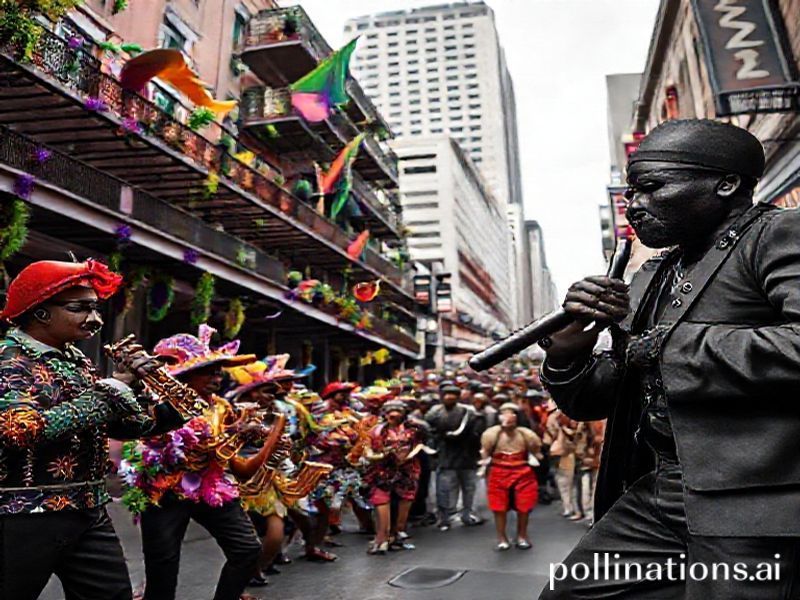
- Festivals and Fairs: Local fairs often feature crafts, food, and music that reflect Maryland’s diverse culture.
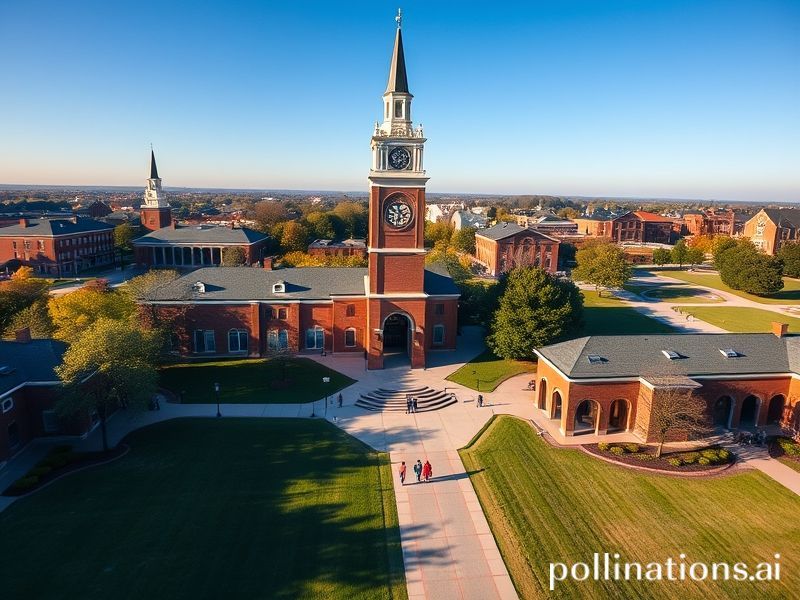
- Educational Programs: Schools and museums provide special programs aimed at teaching students about Maryland’s history and significance.
These activities not only entertain but also educate residents and visitors alike about the historical importance of Maryland, fostering a sense of pride in the state’s heritage.
Significance of Maryland Day in Education
Maryland Day serves as an important educational opportunity for schools across the state. Teachers use this occasion to engage students in learning about their state’s history, geography, and cultural contributions. Activities might include:
- Field trips to historical sites
- Art projects inspired by Maryland’s symbols, like the flag or the state flower
- Research assignments about key figures in Maryland’s history
By incorporating Maryland Day into the curriculum, educators promote a deeper understanding of local history, encouraging students to appreciate their roots and the legacy of their ancestors.
The Role of Maryland Day in Fostering Community Spirit
Maryland Day transcends mere celebration; it fosters community spirit and camaraderie among residents. The events often bring together people from various backgrounds, creating a sense of unity and shared identity. Local businesses often participate by offering discounts or hosting special events that highlight Maryland’s culinary delights, such as crab cakes and Old Bay seasoning.
Moreover, the day encourages civic engagement. Many communities host volunteer opportunities, inviting residents to contribute to local charities and initiatives. This spirit of giving back reinforces the idea that Maryland’s strength lies in its community bonds.
Conclusion: A Day of Reflection and Celebration
Maryland Day is more than just a commemoration of the past; it is a celebration of the state’s ongoing journey. It reflects the values of tolerance, community, and history that have shaped Maryland into what it is today. As residents partake in festivities, they reflect on their heritage while looking forward to the future.
Whether through educational programs, community events, or simply enjoying Maryland’s unique offerings, Maryland Day serves as a reminder of the importance of remembering one’s history and celebrating the diverse culture that continues to thrive.
For more insights into Maryland’s history and culture, check out our Culture and News sections.