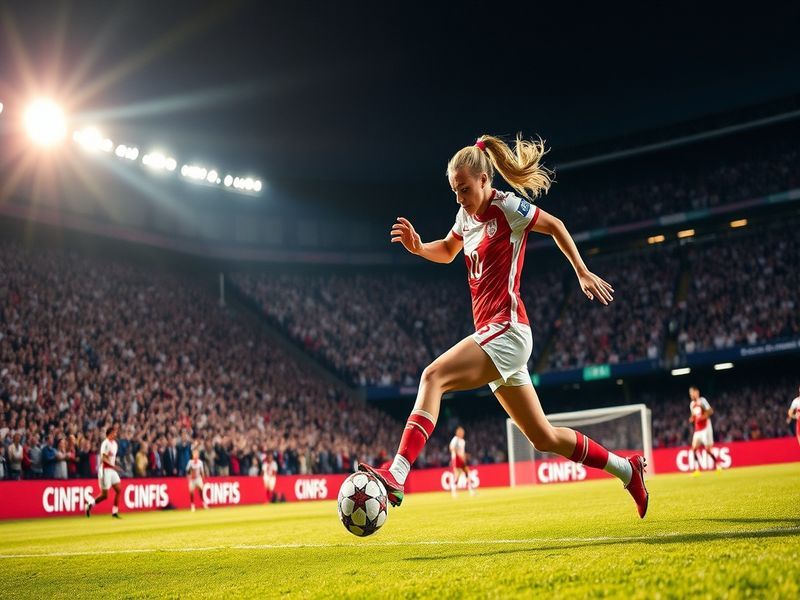
Exploring the UEFA Women’s Champions League and Its Global Impact
Understanding the UEFA Women’s Champions League
The UEFA Women’s Champions League (UWCL) has become a prominent fixture in women’s football. Established in 2001, it has evolved significantly over the years, showcasing the talents of female athletes from various countries. The competition has grown in prestige and visibility, reflecting broader trends in women’s sports. With clubs from different leagues across Europe participating, the UWCL serves as a platform for showcasing emerging talents and established stars alike.
Format and Structure of the Competition
The tournament structure has undergone various changes to enhance competitiveness and viewer engagement. Currently, the competition consists of multiple rounds, including qualifying rounds, group stages, and knockout rounds. Each stage is designed to test the mettle of the clubs involved. Here’s a brief overview of the tournament format:
- Qualifying Rounds: Teams compete in a series of matches to secure a spot in the group stage.
- Group Stage: The top teams from each group advance to the knockout stage.
- Knockout Rounds: This includes the quarter-finals, semi-finals, and the final, where teams compete in a two-legged format to determine who advances.
This structure ensures that the best teams across Europe have the opportunity to compete at the highest level, thereby elevating the quality of play.
Impact on Women’s Football Globally
The UWCL has played a vital role in promoting women’s football on a global scale. As more fans tune in, the visibility of women’s sports has increased, leading to greater investment and sponsorship opportunities. This shift is evident in various ways:
- Increased Viewership: Broadcasting deals have expanded, allowing fans worldwide to follow their favorite teams and players.
- Sponsorship Growth: Major brands are investing in women’s football, recognizing its potential for growth and engagement.
- Development of Talent: Clubs are investing in youth academies, ensuring a steady pipeline of talent for future competitions.
These developments have not only enhanced the profile of the UWCL but have also contributed to a cultural shift in the perception of women’s sports. The successes of teams like Olympique Lyonnais and FC Barcelona have inspired younger generations to pursue football, leading to a more inclusive sporting environment.
Cultural Context and Future Prospects
The cultural significance of the UWCL extends beyond the pitch. It represents a movement towards gender equality in sports and society. As female athletes gain recognition, they challenge traditional gender norms and inspire change within their communities. This cultural impact is crucial in fostering a more inclusive environment for future generations.
Looking ahead, the UWCL is poised for even greater growth. With increasing global interest, potential reforms in tournament structure, and ongoing support from stakeholders, the future appears bright. The competition not only highlights the top talent in women’s football but also plays a pivotal role in shaping the sport’s future.
As the UWCL continues to evolve, it will undoubtedly leave a lasting legacy in the world of sports. Fans can expect thrilling matches, inspiring stories, and an ever-growing platform for female athletes. For those interested in following women’s sports, the UWCL is a must-watch.
For more insights on sports and related topics, visit our Sports section.