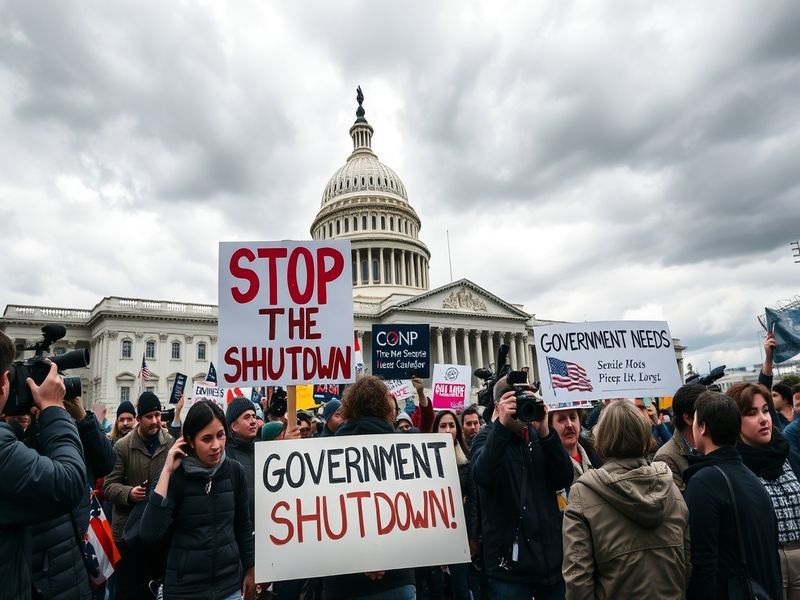
Government Shutdown Update: Current Status and Implications
The potential for a government shutdown has been a pressing issue as lawmakers grapple with budget negotiations. As of today, the situation remains fluid, with both political parties seeking to find common ground while facing mounting pressure from constituents. Understanding the implications of a shutdown is crucial, as it affects millions of Americans and various sectors of the economy.
Key Points on the Current Situation
- The deadline for funding is rapidly approaching, with many agencies at risk of halting operations.
- Negotiations are ongoing, but significant disagreements persist, particularly around spending cuts and funding for specific programs.
- Political leaders are under immense pressure to reach a compromise, with public sentiment shifting towards frustration over partisan gridlock.
- Federal employees and services face uncertainty, impacting everything from national parks to social security services.
Context Behind the Budget Stalemate
The current impasse can be traced back to deeper ideological divides between the two major political parties. Republicans and Democrats have differing priorities, particularly regarding discretionary spending and social programs. While Republicans often advocate for reduced government spending, Democrats emphasize the need for investments in social services and infrastructure.
This tension has been exacerbated by external factors such as inflation and economic recovery post-pandemic. Many citizens are concerned about how a shutdown could affect their daily lives, especially those reliant on government support. The potential for furloughs and service interruptions has led to heightened anxiety among federal employees and the general public.
Broader Implications of a Government Shutdown
A government shutdown does not merely halt operations; it can have cascading effects across various sectors of the economy. Here are some of the key implications:
- Economic Disruption: A shutdown can lead to decreased consumer confidence, which in turn affects spending and investment decisions.
- Impact on Federal Workers: Thousands of federal employees may face unpaid leave, leading to financial strain on families.
- Service Interruptions: Essential services such as tax collection and social security payments may be delayed, affecting millions of Americans.
- Long-term Consequences: Prolonged shutdowns can undermine the public’s trust in government institutions, leading to a more polarized political climate.
Conclusion: The Path Forward
As the clock ticks down to the funding deadline, the urgency for lawmakers to reach a compromise intensifies. The ramifications of a government shutdown extend far beyond the immediate logistical challenges; they touch on the very fabric of societal trust in governance and the functioning of democracy. Stakeholders from all sides will need to engage in meaningful dialogue and prioritize the needs of the American people to avert a shutdown.
The next few days will be critical. Observers are watching closely to see if political leaders can bridge their differences and find a viable path forward. The stakes are high, and the implications of failure could be felt for years to come.
For those wanting to stay updated on the latest developments, check our News and Politics sections for comprehensive coverage.