Understanding Florida’s Special Elections
Florida’s special elections serve as a significant barometer of the state’s political climate, often reflecting broader national trends. These elections occur when a seat in the state legislature or Congress becomes vacant due to resignation, death, or other reasons. The process can illuminate voter sentiment, party dynamics, and even the impact of local issues on broader elections.
The Process of Special Elections
Special elections in Florida follow a structured process, governed by state law. Typically, the governor calls for a special election, and it can be scheduled at different times depending on the urgency of filling the vacancy. Candidates from various parties can enter the race, and often, the elections are closely contested.
The timeline for these elections can vary, but the steps generally include:
- Announcement of vacancy by the governor.
- Filing period for candidates to declare their intentions.
- Campaigning period, often intense given the shorter timeframe.
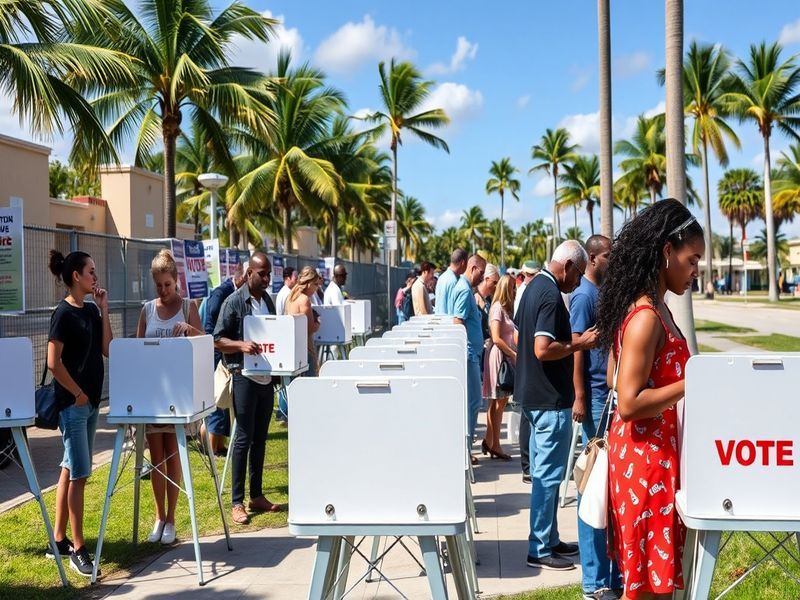
- Voting, which may occur as a standalone election or coincide with a general election.
Voter turnout in special elections is typically lower than in general elections. However, the stakes can be high, influencing key legislative agendas and party control. For instance, a single seat can sway the balance of power in both the state legislature and Congress.
Recent Special Elections and Their Impact
In recent years, Florida has seen several notable special elections, each with unique implications. The outcomes have often provided insights into voter priorities and party strategies. For example, the 2020 special election in Florida’s 20th Congressional District was watched closely as it was seen as a test of Democratic strength in a predominantly blue area.
Moreover, issues such as healthcare, education, and environmental concerns have played pivotal roles in shaping voter opinions. Candidates often tailor their messages to resonate with local constituents, addressing specific needs and concerns. This localized approach can significantly impact the election results.
Global Context and Cultural Significance
The dynamics of Florida’s special elections can be examined through a global lens. Many democracies face similar challenges with special elections, where vacancies can lead to shifts in political power. Countries like Canada and the United Kingdom have their unique processes for dealing with such situations, often incorporating by-elections to fill vacant seats.
In many cases, special elections reflect the political engagement of citizens. For instance, younger voters in Florida have shown increased participation in recent elections, mirroring trends in other parts of the world where youth activism is on the rise. This engagement can lead to significant shifts in policy, particularly on issues like climate change and social justice.
Additionally, cultural factors play a crucial role in shaping the outcomes of these elections. Florida’s diverse population means that different communities bring varied perspectives to the ballot box. Factors such as ethnicity, socioeconomic status, and regional issues can influence voter behavior, making it essential for candidates to understand and address these dynamics.
Conclusion
Florida’s special elections are more than mere political events; they are reflections of the state’s evolving political landscape. The outcomes can have far-reaching implications, not just locally but also nationally. As voters continue to engage with the electoral process, the significance of these special elections will likely grow, making them a focal point for political analysts and citizens alike. Understanding the intricacies of these elections can provide valuable insights into the motivations and concerns that drive voter behavior in Florida and beyond.
For further insights into similar electoral processes, explore our Politics section or delve into the latest trends in News.